Cotswolds Day-trips
Here we describe some other attractive Cotswolds towns not mentioned in our main guide, and offer various travel tips. For detailed pages on the towns and villages we cover, see our Cotswolds village guide.
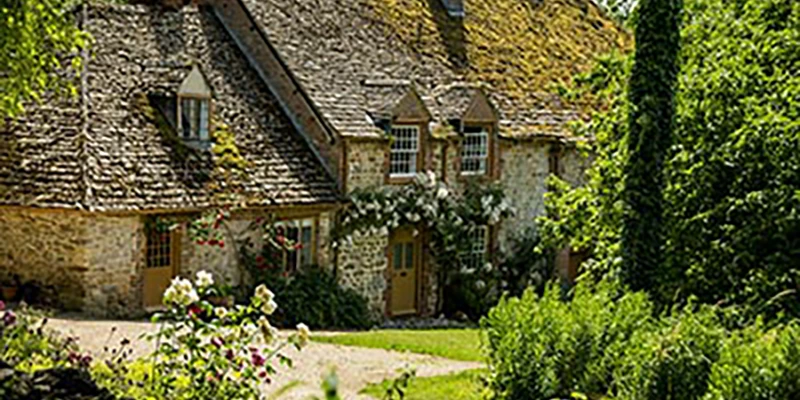
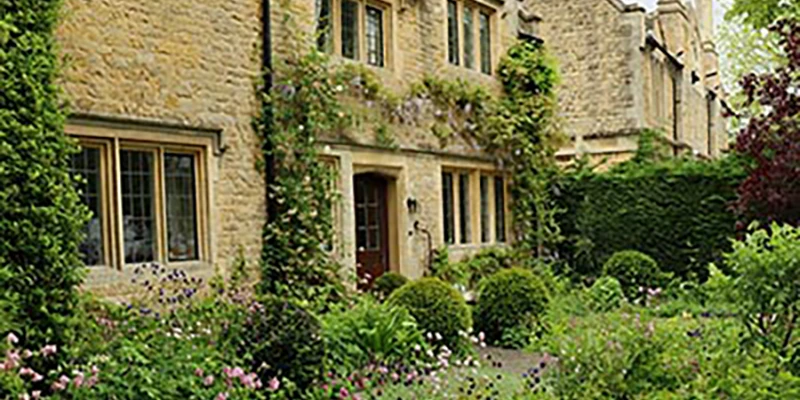
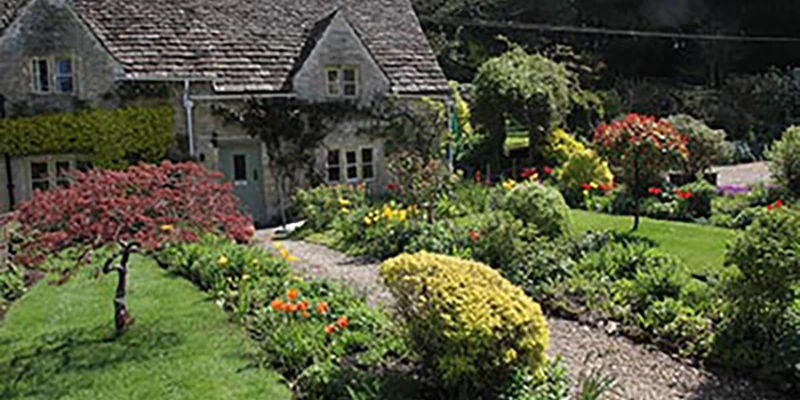
Stone-built villages, stately homes, and gardens dot the predominantly rural landscape, where you can wander cobbled streets, admire centuries-old architecture, and savor the simple pleasures of village life. This designated Area of Outstanding Natural Beauty unfolds in a tapestry of rolling green hills, golden-hued stone villages, and charming market towns, sprawling across 800 square miles in several English counties. Imagine honey-colored cottages with thatched roofs lining narrow streets, their gardens bursting with vibrant blooms. Time seems to slow down here, inviting you to wander, explore, and soak up the quintessential English countryside charm.
.webp)
Grand houses built by prosperous wool merchants stand as testaments to the region's rich past. Ancient churches, their weathered stone echoing centuries of prayers, dot the landscape. Foodies can indulge in delicious afternoon teas, sample local cheeses at farmers' markets, or savor fresh, seasonal fare in cozy pubs. Art enthusiasts can browse independent galleries showcasing local talent, while history buffs can delve into museums and ancient ruins.
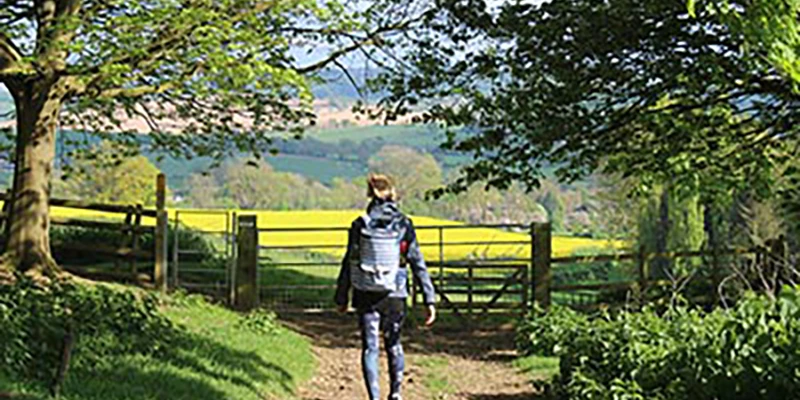
Beyond the villages, nature beckons. Hike through lush meadows carpeted with wildflowers, or cycle along quiet country lanes, breathing in the fresh air. Rolling hills rise from the meadows along the upper River Thames, culminating in an escarpment overlooking the Severn Valley, Bath, and Evesham Vale. The bedrock of Jurassic limestone underpins this landscape, creating a rare grassland habitat. It's this golden-hued Cotswold stone that shapes the region's character.
.webp)
How to visit the Cotswolds
The most popular and best ways are drive a rental car, or take a bus tour. More hardy adventurers can ride a bicycle. Public transportation is not a very efficient way to get around, unless you have lots of time available. Public buses do run to many of the villages, but service is not frequent or very convenient, geared more for local residents than tourists. Trains go to several towns, including Moreton-in-Marsh, Kingham, and Charlbury, with nearby stations outside the Cotswolds, at Cheltenham Spa, Kemble, Stroud and Bath, but there isn't a train network that runs throughout the Cotswolds itself.
Bus tours are usually day-trips, with several different itineraries that can be combined to provide a thorough look at the most beautiful places.
Two excellent mini-coach day-tour providers are:
Mad Max, departures from Bath.
Go Cotswolds, departures from Oxford, Moreton-in-Marsh and Stratford-upon-Avon
Go Cotswolds offers three itineraries:
Guided walks, with mini-coach connections: Walk a section Cotswold Way, and visit Broadway, Broadway Tower, Burford
Broadway, Burford, The Rollright Stones, Guiting Power and Stanton
Dover's Hill, Chipping Campden, Snowshill, Stow-on-the-Wold, Bibury, Bourton-on-the-Water
Brief descriptions of other Cotswold villages not in our main collection:
Broadway Tower
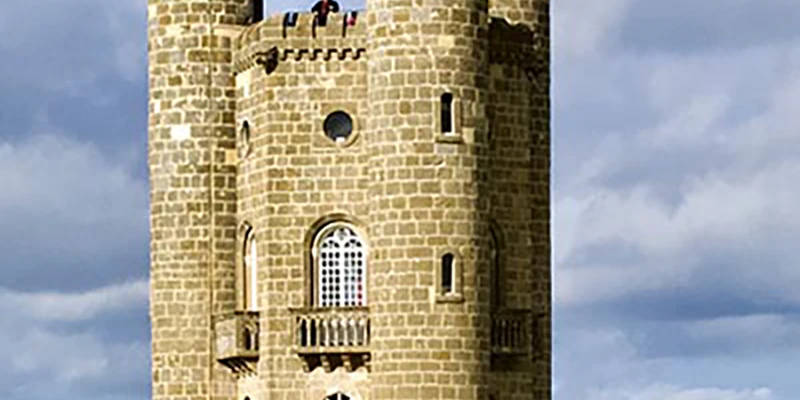
Ascend this 18th-century folly for panoramic views that stretch across 16 counties. On a clear day, you might even glimpse the Malvern Hills in the distance. Broadway Tower, a small Gothic castle perched on a hill, built in 1799, served as William Morris' countryside retreat. From its vantage point, sweeping views of the Cotswolds unfold—a patchwork quilt of rolling hills, meadows, and ancient villages.
Chipping Norton
Its heart beats in the vibrant Market Place, where the Chipping Norton Theatre stands—a cultural hub hosting plays, music, and comedy. Wander along the cobbled streets, past Georgian facades, a beautiful 15th-century church and cozy pubs. The Bliss Mill, once a woolen factory, now houses apartments, a testament to the town's industrial heritage, then stop for a pint at the Chequers Inn.
Cirencester
Known as the "Capital of the Cotswolds," Cirencester wears its Roman past with pride. Explore Roman ruins that hint at the town's ancient heritage, and delve into the bustling market, a local institution for centuries. The Corinium Museum unveils artifacts from ancient Corinium, while the Cirencester Parish Church of St. John Baptist stands as a medieval masterpiece. The Market Place buzzes with life—farmers' markets, cafes, and the imposing Market Cross. Beyond the town, explore the Cotswold Water Park, where lakes and reed-fringed trails beckon.
Dover's Hill
Rising 754 feet above sea level, Dover's Hill commands panoramic views of the Cotswolds. Hike to the summit, a National Trust property, and be rewarded with vistas across the Vale of Evesham. On a clear day, spot the Malvern Hills in the distance, a fitting end to your Cotswolds adventure. A patchwork quilt of fields unfolds, dotted with sheep and wildflowers. The Cotswold Olimpick Games, held here since the 17th century, celebrate rustic sports and camaraderie.
Fairford
Admire the stunning stained-glass windows of its magnificent Church of St Mary, dating back to the 15th century. As sunlight filters through, colors dance upon the stone floor, revealing stories etched in glass. Wander the quiet streets, where timber-framed houses lean toward one another. The River Coln meanders gently, inviting reflection and picnics by its banks.
Guiting Power
Perched atop the Cotswold hills, Guiting Power exudes tranquility, a patchwork of stone cottages, a pub with hearty fare, and the ancient parish church. The village nestles in a small valley, cradled by the River Windrush. Take in the honey-colored stone cottages, wander along the babbling brook, and perhaps enjoy a pint at a traditional pub steeped in history. The Cotswold Farm Park, run by farmer and TV presenter Adam Henson, celebrates rare breed animals. Visitors stroke rabbits, bottle-feed lambs, and witness seasonal farm rituals.
Lechlade
Where the River Thames begins its journey, a scenic route perfect for a leisurely afternoon. Wander along the riverbanks, where willows dip low, their reflections rippling, past meadows bursting with wildflowers. The Riverside Inn beckons with pints of ale and tales of riverfolk. Boats bob on the water, and swans glide gracefully. The St. Lawrence Church presides over the charming village.
Nailsworth
The former mill town's narrow streets reveal quirky boutiques, organic cafes, and the Weavers' Cottages—timeworn abodes that once housed skilled hands. Pause at the Egypt Mill, its ancient stones a reminder of centuries past. Wander along the Nailsworth Stream to explore charming shops and the old mills where mossy wheels once turned tirelessly.
Northleach
Perched on the edge of the River Leach, Northleach exudes medieval grace. The triangular Market Place anchors the town, where the Cathedral of the Cotswolds, St. Peter and St. Paul's Church, reaches for the heavens. Antelope Lane leads to West End, revealing the half-timbered King's Head House—a former coaching inn. Burgage plots, secret gardens behind houses, whisper tales of sustenance and survival. A market town boasting a magnificent church tower that dominates the skyline. Browse the Thursday market, a local institution for centuries, where friendly stallholders offer everything from fresh produce to handcrafted souvenirs.
South Cerney
Follow the riverbanks, where swans glide and reeds rustle. The Cotswold Farm Park, Adam Henson's haven for rare breeds, lies nearby—a place where children feed lambs and laughter echoes. The St. Lawrence Church stands sentinel, its spire piercing the clouds. Immerse yourself in the tranquility of the countryside, with honey-colored stone houses and the River Churn gently meandering through the village. Rent a bike and explore the surrounding lanes, stopping for a pub lunch in a traditional Cotswold inn.
Stroud
This former wool town now has a vibrant artistic spirit. Explore independent galleries showcasing local talent, unwind in quirky cafes, and soak up the unique atmosphere. Its heart pulses in the Chipping Norton Theatre, hosting plays, music, and comedy. Cobbled streets reveal Georgian facades and cozy pubs. The Bliss Mill, once a woolen factory, now houses apartments—a testament to Stroud's industrial heritage. As twilight settles, warmth lingers, inviting pints at the Chequers Inn.
The Rollright Stones
Over 5,000 years of history lie within the ancient embrace of The Rollright Stones, a Neolithic monument shrouded in mystery. Wander amongst these ancient standing stones, pondering their purpose as they stand sentinel over the Oxfordshire landscape, like a mini-Stonehenge. Nestled on the Oxfordshire and Warwickshire border, this enigmatic site reveals three main elements: The King's Men stone circle, the solitary King Stone, and the Whispering Knights dolmen. As you wander among these weathered megaliths, their origins shrouded in folklore, time seems to stop.
Westonbirt
The National Arboretum of England. Lose yourself amongst a sprawling collection of trees from across the globe, their vibrant foliage changing with the seasons. Breathe in the fresh air, follow winding paths, and uncover hidden surprises like the Westonbirt House, a magnificent example of Victorian architecture. Here, ancient trees—oaks, maples, and towering sequoias—paint the landscape. Seasons weave their magic: spring blossoms, summer canopies, autumn's fiery hues, and winter's stark elegance. Stroll along the Treetop Walkway, where leaves rustle and birdsong dances. Whether you're a botanist or a dreamer, Westonbirt's arboreal tapestry invites wonder.
Witney
In the heart of the Cotswolds, Witney thrives as a market town on the banks of the River Windrush. Cobbled streets lead to hidden courtyards, where antique shops beckon collectors. Explore independent shops lining the high street. The Cotswold Woolen Weavers spin tales of craftsmanship—a legacy that once clothed the world. Pause at the Buttercross, a medieval market cross, and imagine the bustle of traders and townsfolk.
Woodstock
Located on the eastern edge of the Cotswolds Area of Outstanding Natural Beauty, just eight miles north-west of Oxford, near Blenheim Palace. Woodstock is a delightful place with a rich history dating back to the 12th century, and the Cotswolds Museum, which tells the story of the Cotswolds region from prehistoric times to the present day. Stroll along the Oxford Street, where boutiques and tearooms thrive. The town is well-connected by public transport, and there are a number of villages and attractions within easy reach.