Paris
Among the world's great cities, Paris is a destination that rewards a serious traveler more than almost any other. Those who have never been should go, and those who have been already know they want to return. What follows is a carefully planned three-day itinerary, arranged so the days build on one another and the walking connects rather than doubles back. Three days is not enough to exhaust Paris, but it is enough for a genuine look at the city and its most important sights.
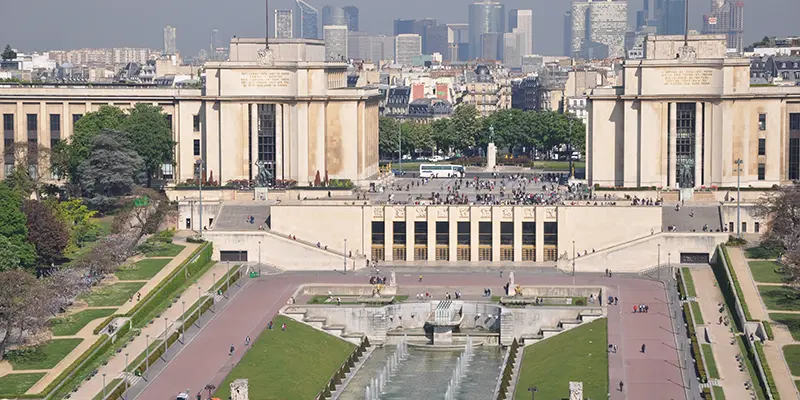
Paris is the largest city in Europe, with more than twelve million people in the surrounding Île-de-France region, and the historic center that concerns most visitors is a relatively compact area on both banks of the Seine. The city is organized into twenty arrondissements that spiral outward from the Louvre in a clockwise pattern, which is worth understanding early because addresses and directions constantly refer to them.
The Three Days
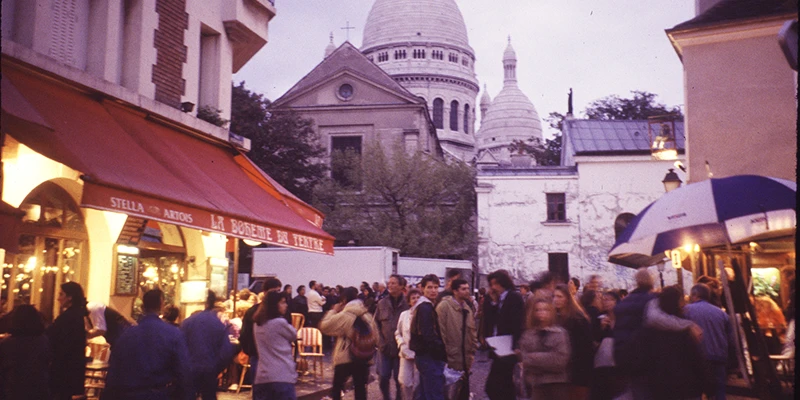
The first day covers central Paris on foot, beginning with an overview tour and then working through the Rue de Rivoli, the Marais, Les Halles and the Palais Royal, ending the evening in Montmartre.
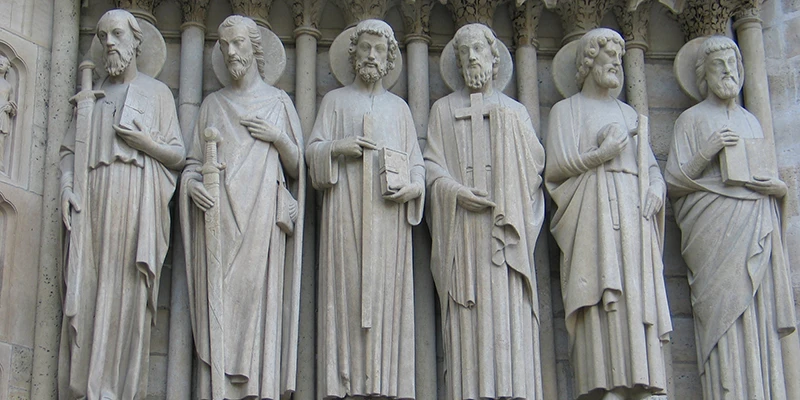
The second day is built around the Louvre in the morning, followed by the Tuileries and the shopping streets on the Right Bank, the Latin Quarter and Saint-Germain on the Left Bank, the two islands in the Seine, and a boat ride at dusk.
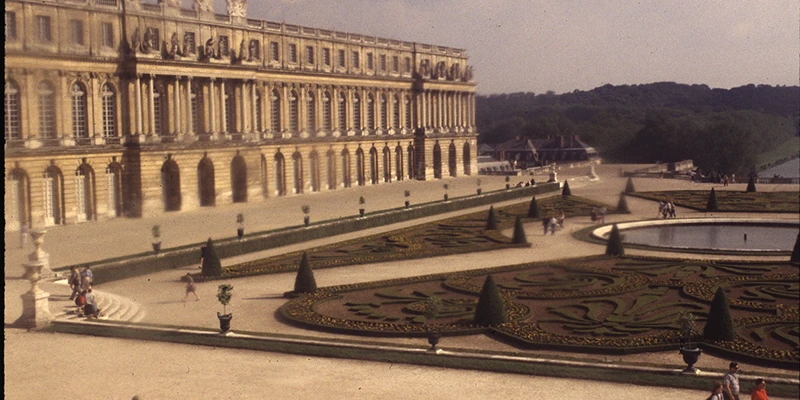
The third day begins at the Eiffel Tower, continues to the Orsay Museum, takes the train out to Versailles for the afternoon, and returns for the Arc de Triomphe and the Champs-Élysées.
Free time for shopping and personal interests is built into each day. Treat the sequence as a suggestion — rearrange it, cut what does not appeal, and add your own stops.
- Paris Day One — Marais, Les Halles, Palais Royal, Montmartre
- Paris Day Two — the Louvre, the Left Bank, the Islands
- Paris Day Three — Eiffel Tower, Orsay, Versailles, Champs-Élysées
Where to Stay
It helps a great deal to choose a hotel in the center, within walking distance of the main attractions. The first through seventh arrondissements put nearly everything in this itinerary within reach on foot or a short Métro ride, and the difference between a central hotel and an outlying one can amount to an hour of travel each day. Book well ahead for the summer months, when the city fills.
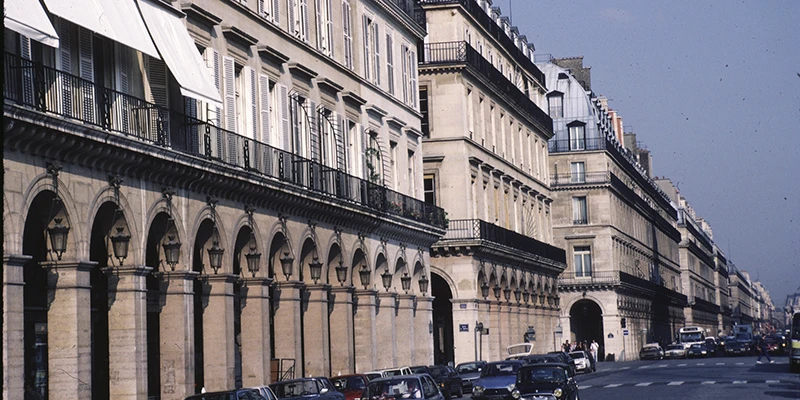
Getting Around
The Métro is excellent, dense, and inexpensive, and it will get you anywhere in the itinerary quickly. Buy a rechargeable Navigo Easy card or use the contactless ticketing on your phone rather than paper tickets, which have been phased out. A half-day bus tour on the first morning is worth considering for orientation, particularly on a first visit.
The best way to see Paris, though, is on foot. The city has a word for the particular kind of walking it invites — the flâneur, an unhurried stroll sharpened by attention to small details. This itinerary modifies that idea with planned routes, while leaving room for detours and unplanned stops. Wear comfortable shoes. The distances add up, and the pleasure of Paris is largely in the ground between the monuments.