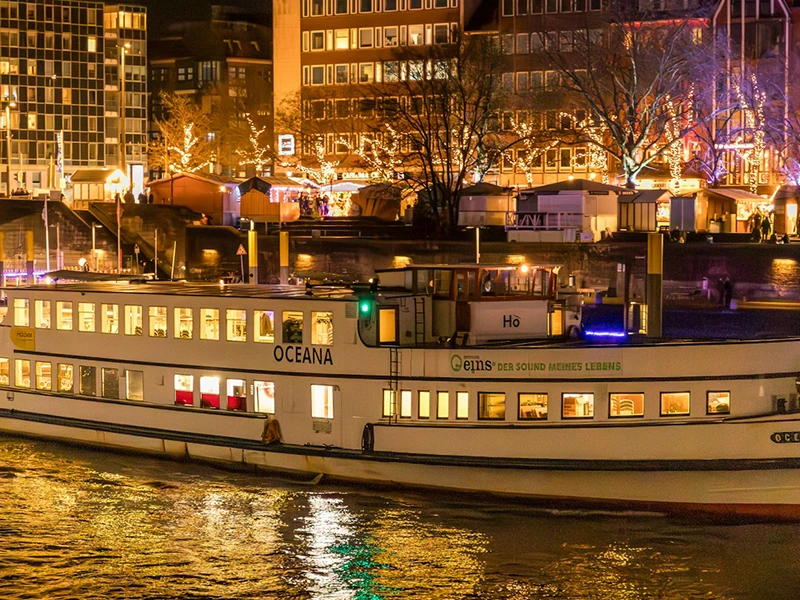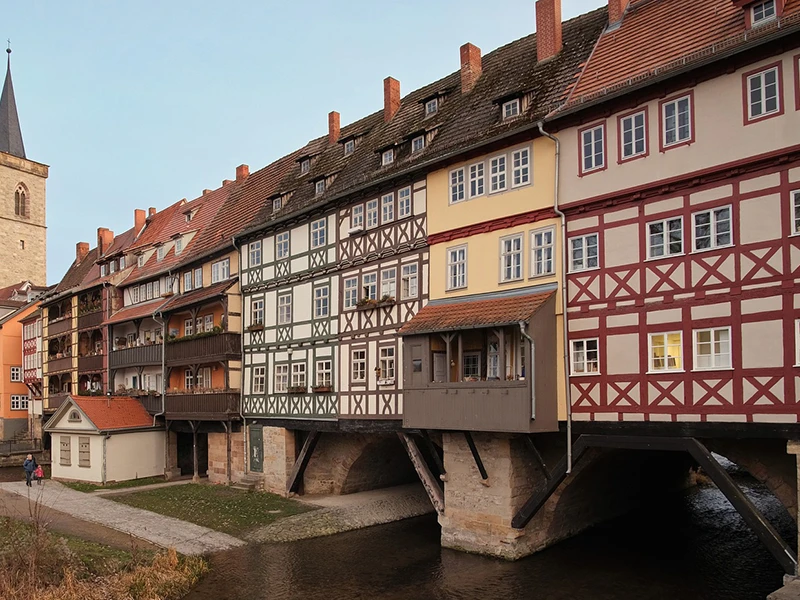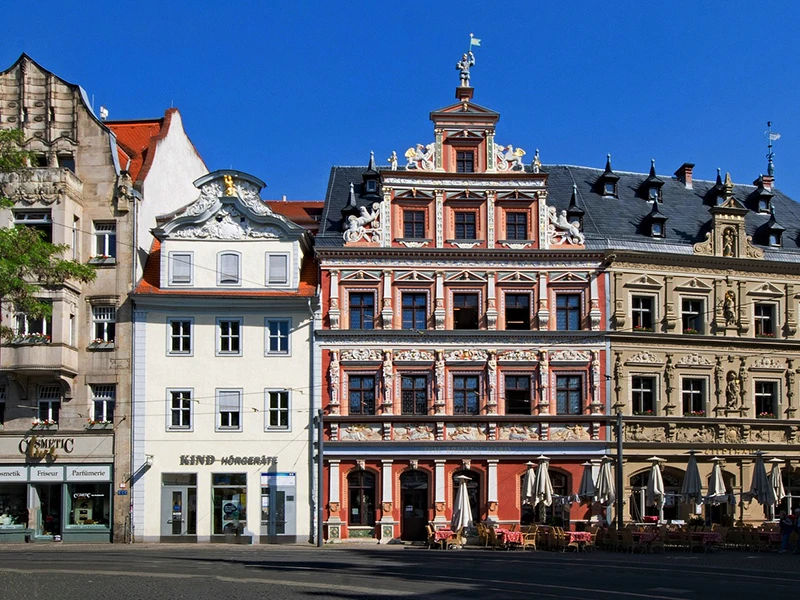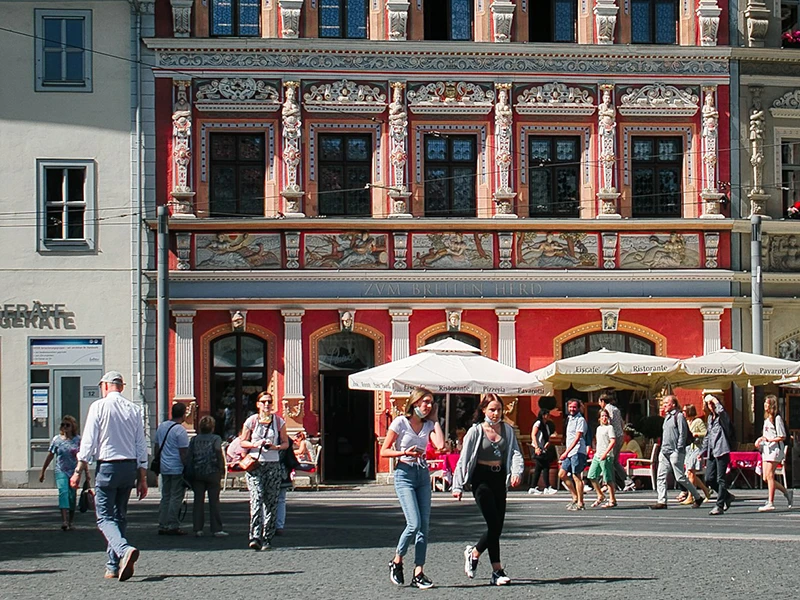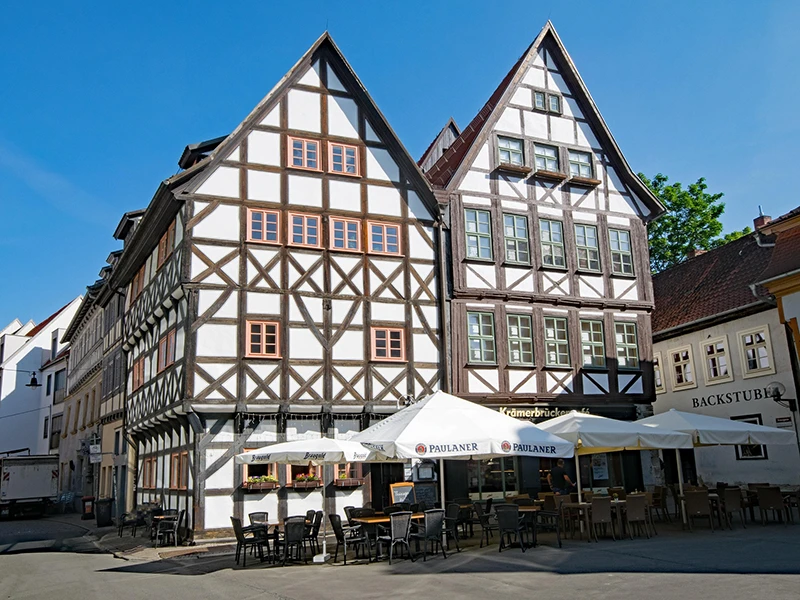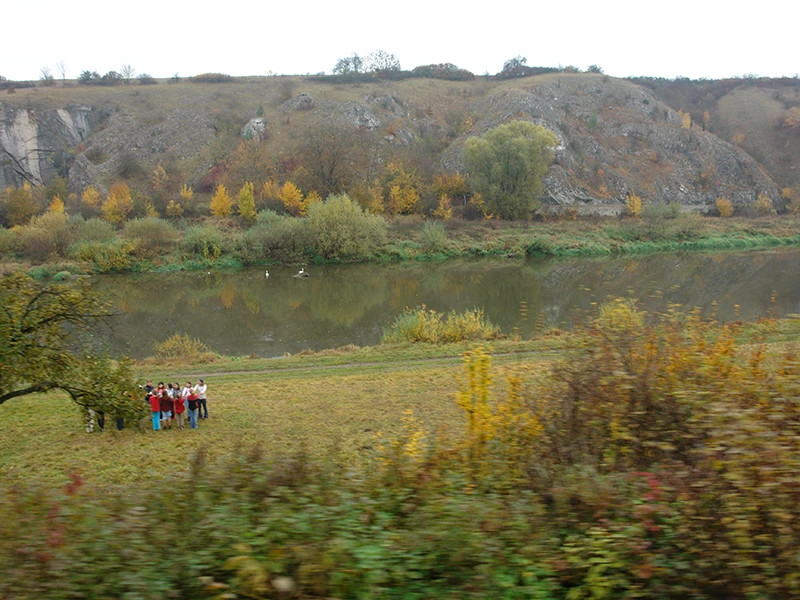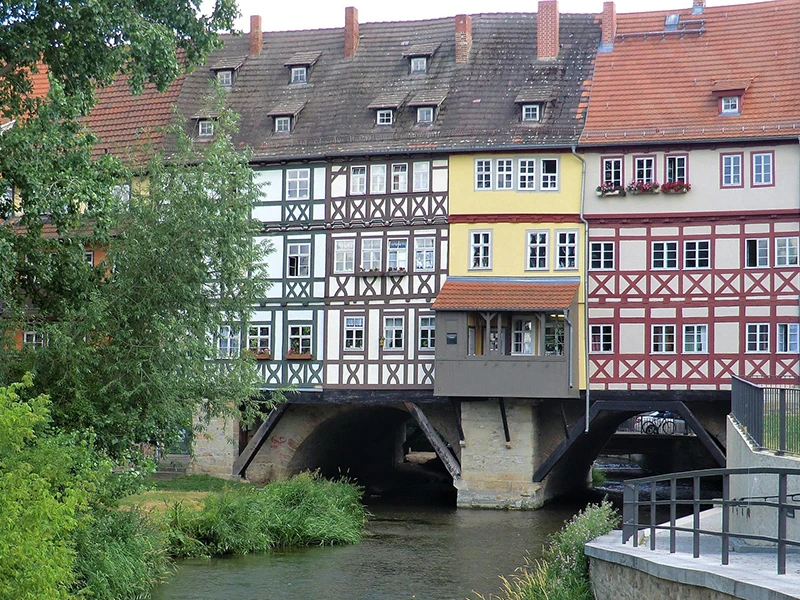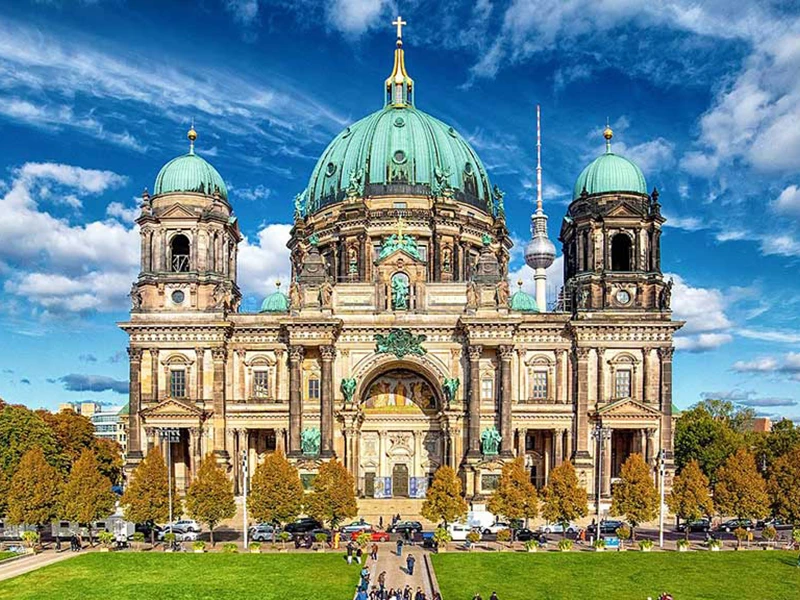
Come along on a journey through the central and eastern side of Germany, travelling by train on a journey to 23 major cities and smaller towns in 33 days, with many interesting sights to enjoy. If you are considering a Germany visit, this group of towns provides a good collection to choose from, with an itinerary you can easily modify for your own particular interests and time available.
Thanks to Germany's excellent Deutsche Bahn train system it is easy to get from one place to the next with the efficient sequence presented here, with cities easilyvisited by train, usually with direct connections under two hours. The focus of this trip is on smaller cities with well-preserved historic centers, pedestrian zones, picturesque waterfronts, along wtih several larger cities.
This is a big list with 13 base cities and 10 day trip destinations, making this an ambitious but manageable journey. For your own planning, the route can be modified by slowing it down, spending more time in various places, or eliminating some from the list. These pages present detailed information about a maximum scenario for you to consider. Even if you’re not travelling it's fun to look at the many pictures, do some reading and take an armchair trip.
Google My Map outlines the route with locator pins containing brief descriptions. There are similar maps for each of our destinations in the following pages. The city maps are loaded with information about the places and hotels, which can be opened by clicking on the various points, including direct links to the hotel websites and emails. These can be used in your mobile devices if you are visiting these places,to help you get around, as described here.
Our routing is not presented as any kind of definitive “best cities” of Germany but is a plan to visit generally lesser-known, beautiful places that are not crowded, with many attractive sights to enjoy, along with several major cities. There are about 10,000 towns in Germany, with 25,000 castles, palaces and mansion houses. Here we present a sample of some of the most interesting places on the eastern side of Germany.
Personal note from Dennis: I designed this busy trip to maximize the number of places I can visit by train in order to shoot a lot of video for this website and my YouTube channel. During 2026 I will be editing and uploading many videos from it for your enjoyment!
Sequence goes from left to right, Day Trips designated as DT, base cities in bold.
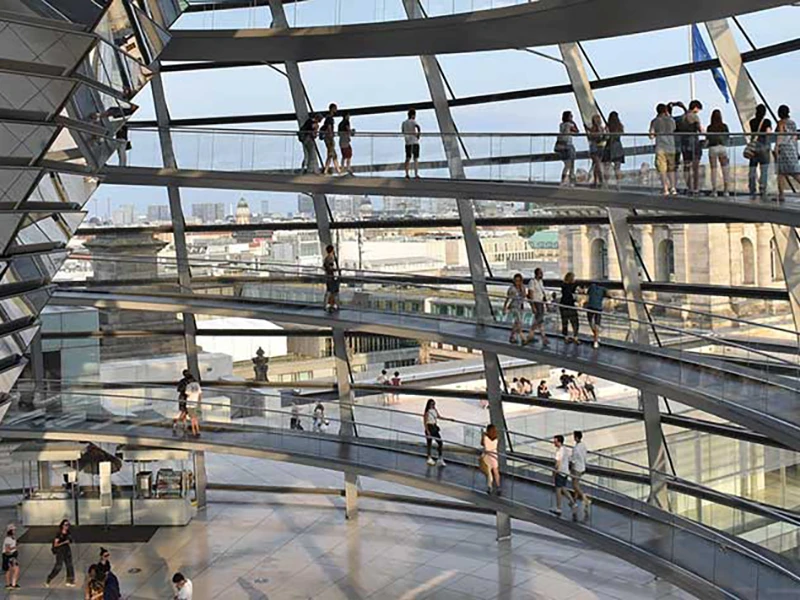
Berlin, 3 days; daytrip (DT) Potsdam
Hamburg, 4 days; DT Lübeck, Luneburg, Stade
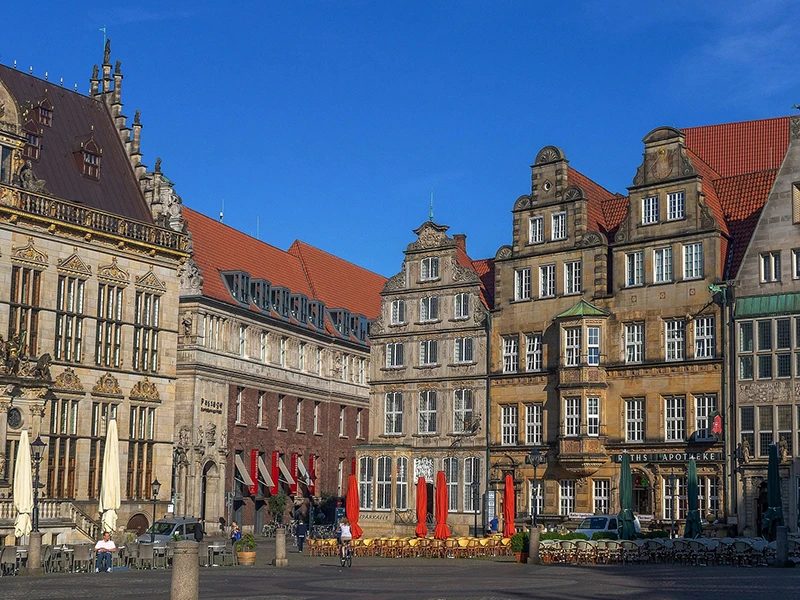
Bremen, 2 days
Hannover,3 days;DT Celle,Braunschweig,Hildesheim
Goslar, 2 days
Göttingen, 2 days
Erfurt, 2 days; DT Weimar,
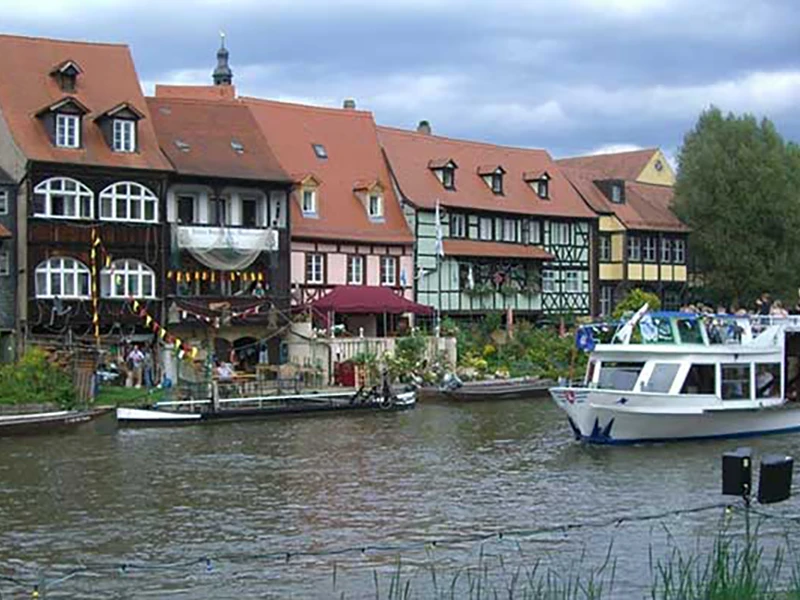
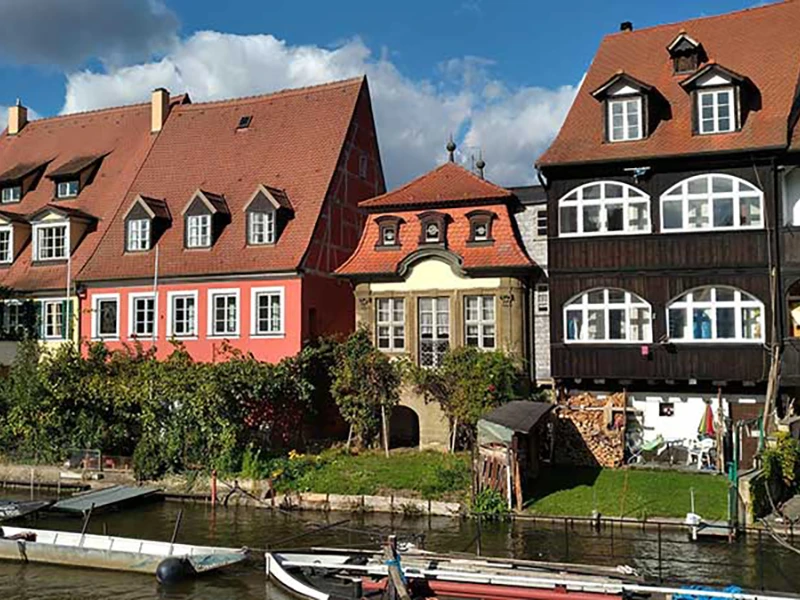
Bamberg 2 days
Nuremberg, 3 days; DT Regensburg, Munich
Rothenburg-ob-der-Tauber, 1 day;
Wurzburg, 2 days;
Leipzig, 2 days
Dresden, 2 days;
Berlin, 3 days again at end
These cities are listed on the sidebar in alphabetical order with links. A detailed outline of this itinerary with distances by train can be found here. Our route includes a mix of modern skyscraper cities and smaller town with traditional architecture, always featuring historic sights and many pedestrian lanes to stroll through. Each place is described in detail on separate webpages, including maps and photos.
The Official Germany Tourist Information website has a large amount of information about the country including sights, accomodations, dining, tours, scenic routes, links to many cities, free brochures, maps and more. We also provide official information links to each city on their pages.
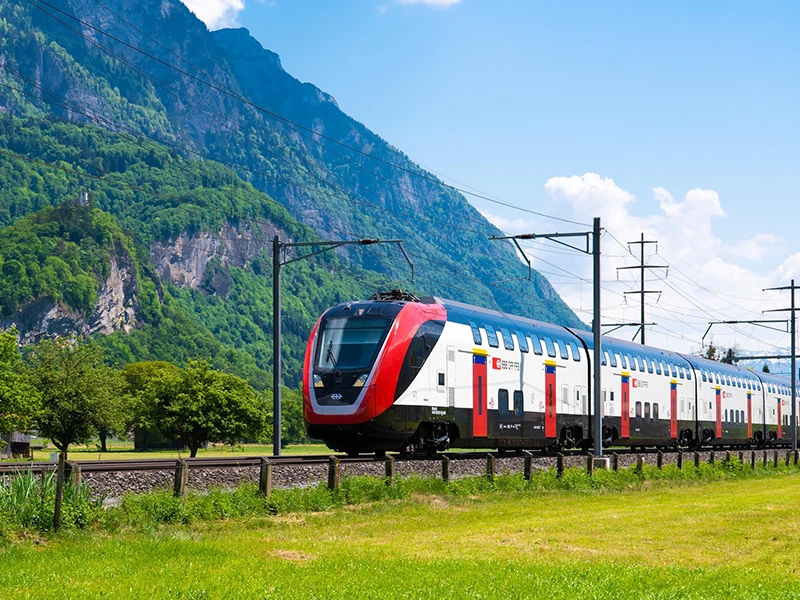
Train routes were planned with help from the website of the Germany national railway company, Deutsche Bahn, containing detailed information about ticketing, rail passes, timing of trips, and suggested destinations. Germany’s train system is one of the most extensive in Europe, connecting more than 1,000 cities and towns offering travelers a convenient way to move between cities and regions. High-speed Intercity Express (ICE) trains connect major destinations like Berlin and Hamburg in just a few hours, while a dense network of regional trains ensures that even smaller towns are well linked. Because of the speed and efficiency of German trains, this entire 33-day route to 23 cities can be done with just 32 hours of train travel, less than one hour per day, quite reasonable.
Stations are generally modern and accessible, with clear signage, frequent departures, and integrated connections to local transit. Service levels emphasize comfort and efficiency, with spacious seating, onboard amenities such as Wi-Fi and dining options, and convenient schedules that make rail travel a practical alternative to flying or driving. Trains make it possible to plan flexible trips, combining urban exploration with day excursions, all while traveling in comfort and without the stress of driving through traffic.
For details of the train routing, length of time for each ride, and list of cities with daytrips on our ritinerary, see this page.
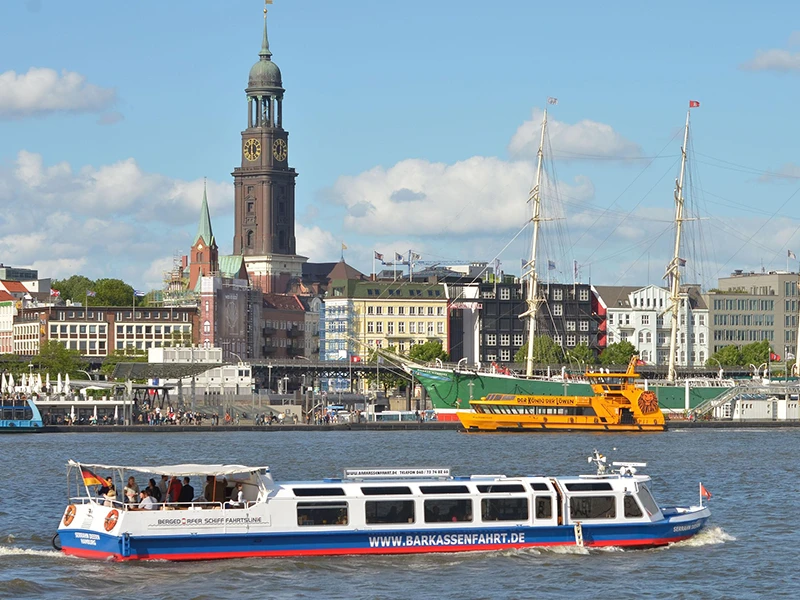
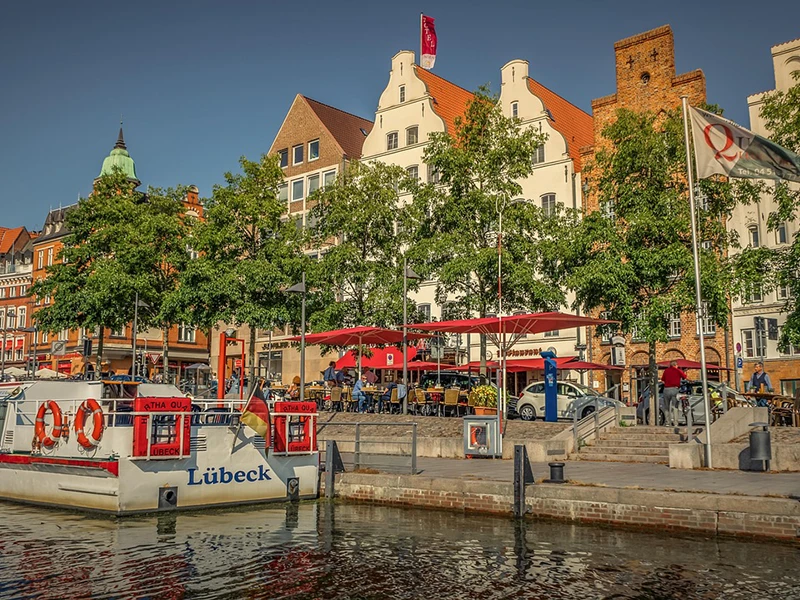
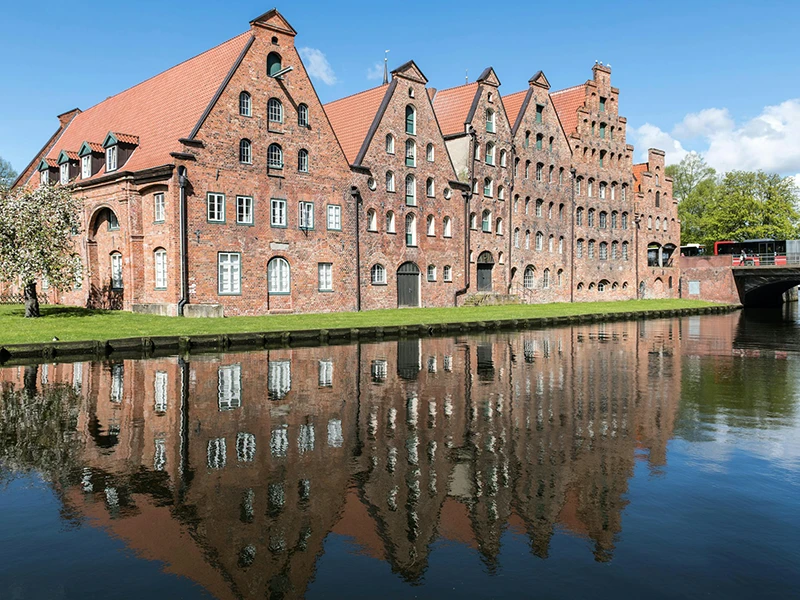
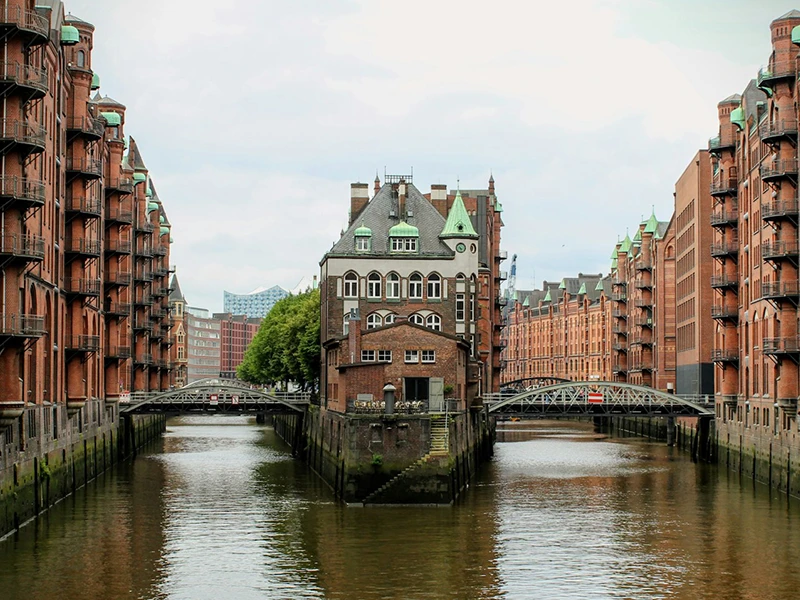
Berlin serves as a starting point, combining political functions with evidence of a divided past and rapid modern growth. Nearby, Potsdam, known for its palaces and planned gardens, reflects the influence of Prussian rulers and provides a marked contrast to Berlin’s urban scale. Moving north, Hamburg highlights Germany’s maritime identity through its active port and international connections. Lübeck stands out for its preserved medieval architecture and history as a leading member of the Hanseatic League.
Stade exemplifies northern town planning, and regional development. Each of these cities illustrates different aspects of the region’s role in commerce and cultural exchange, while Lüneburg, once known for its salt trade, presents a smaller but historically important setting. Bremen emphasizes its history as a free city and trading center, maintainitng its significance through cultural institutions and economic activity. Hannover functions as an administrative and economic center.

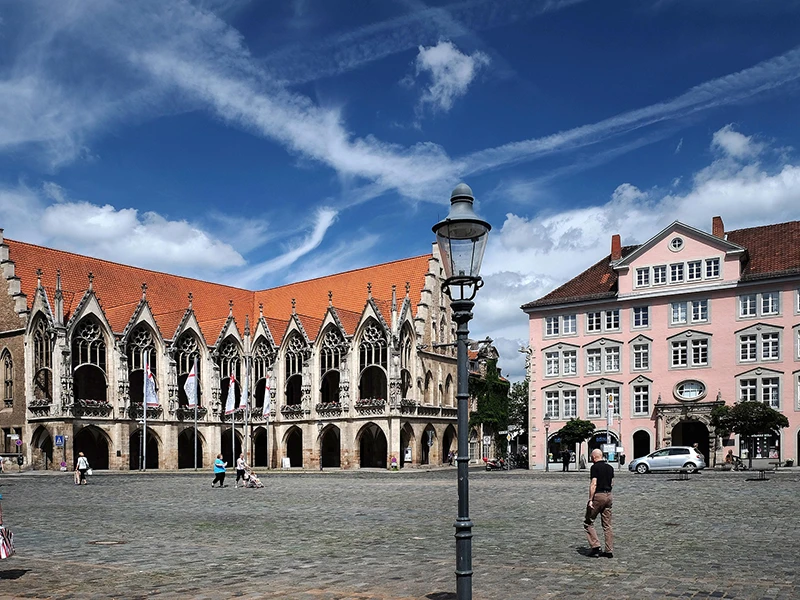
Celle provides an example of a small city with historical architecture and continuity, while nearby Braunschweig represents a city with medieval roots and later industrial growth. Hildesheim stands as one of Lower Saxony's most captivating historic cities, founded in 815. Berlin again at the end, for three more days.
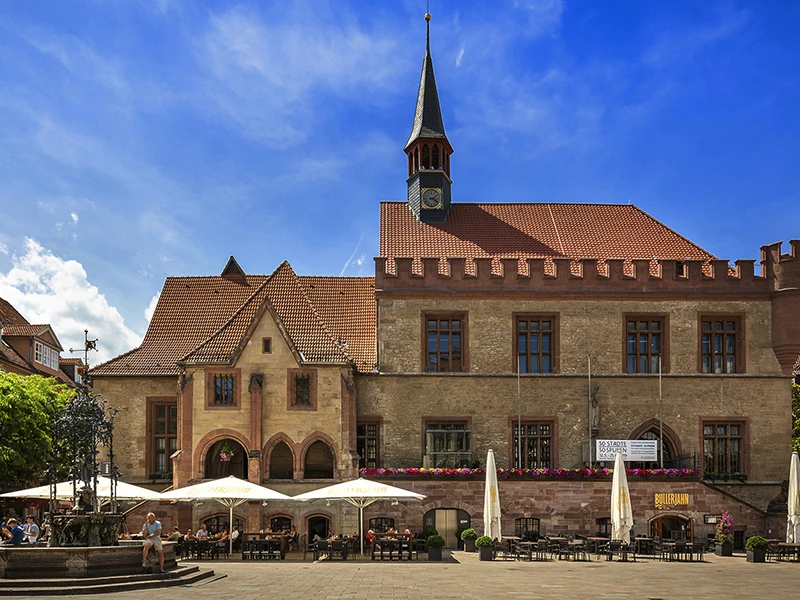
Göttingen introduces an academic tradition through its university. Erfurt reflects a mix of religious, educational, and political history, and Weimar is associated with both German intellectual life and political milestones. Bamberg, farther south, is marked by its preserved medieval and baroque structures, representing a city that retained much of its historical character.
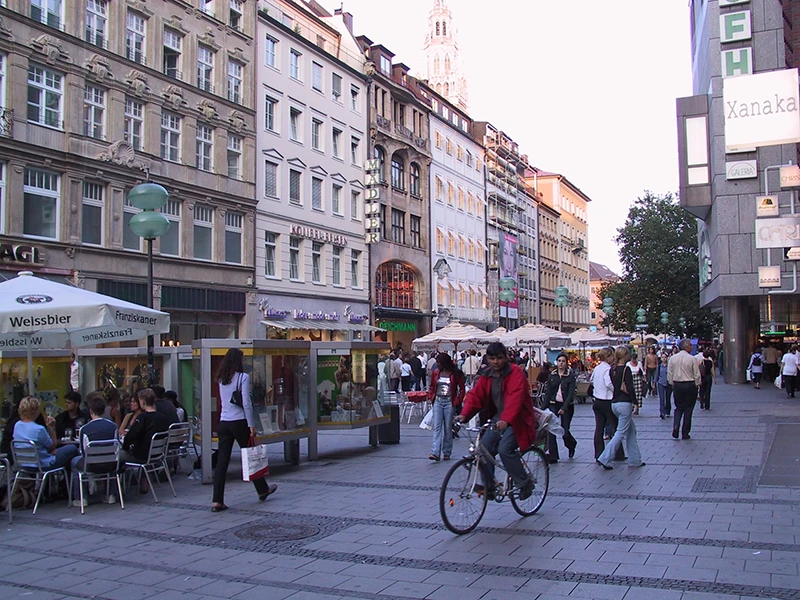
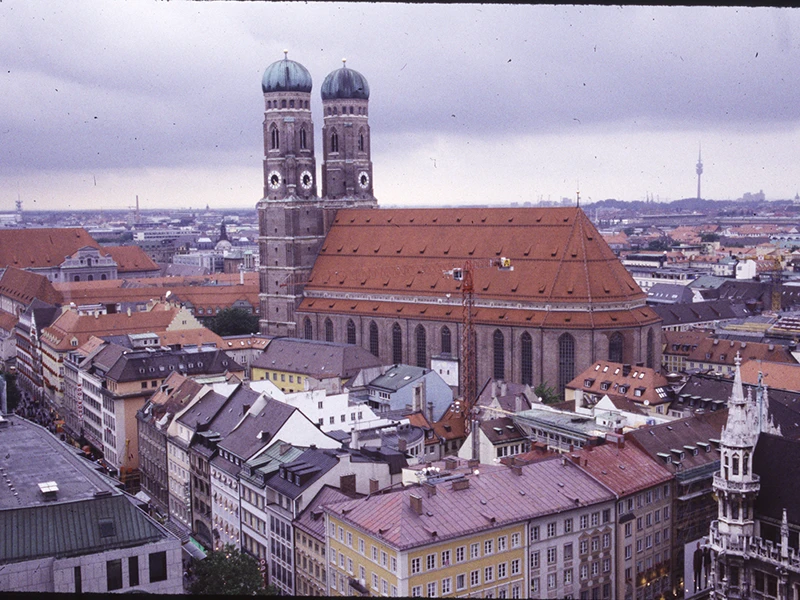
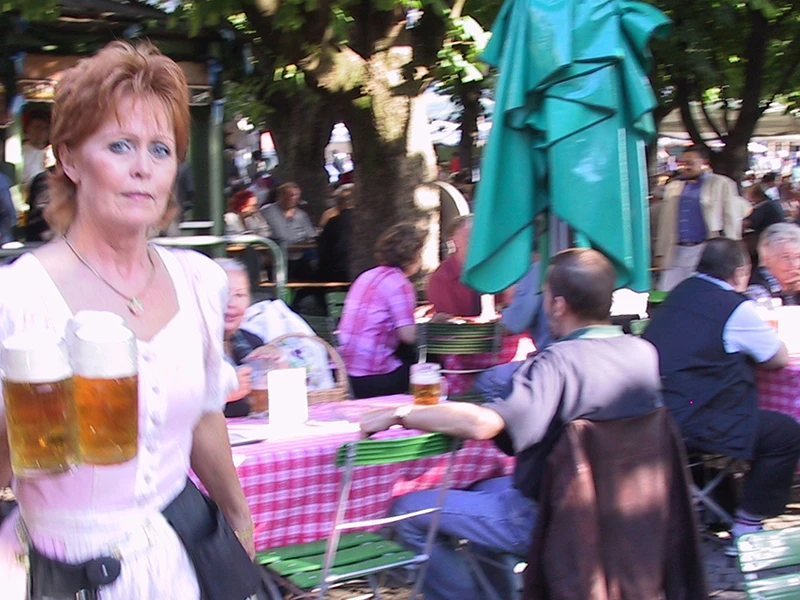
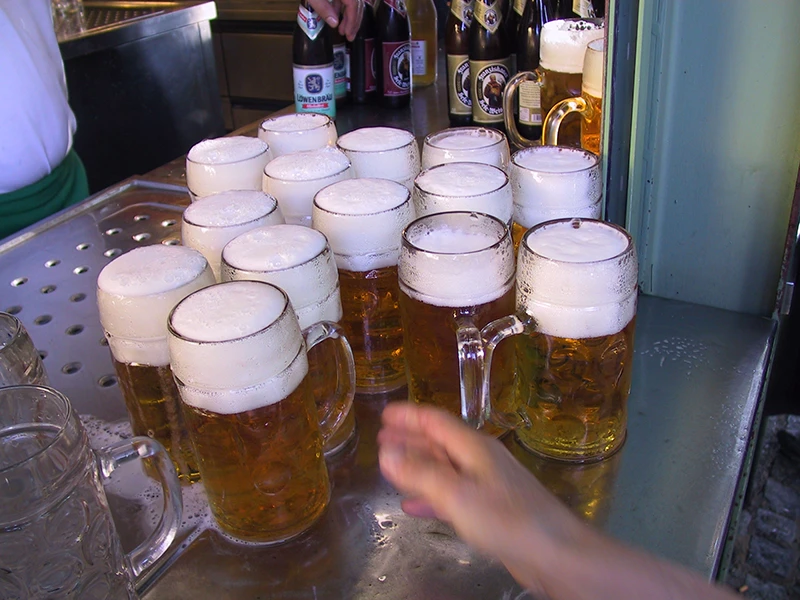
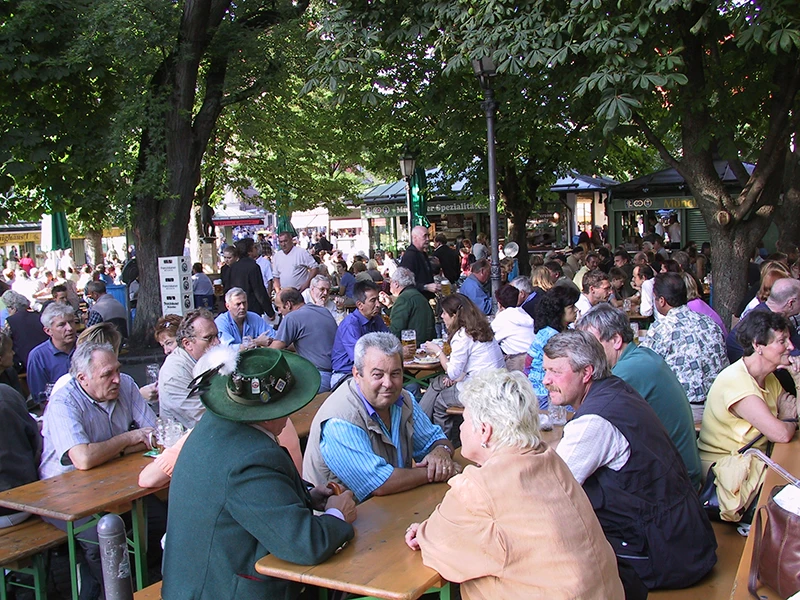
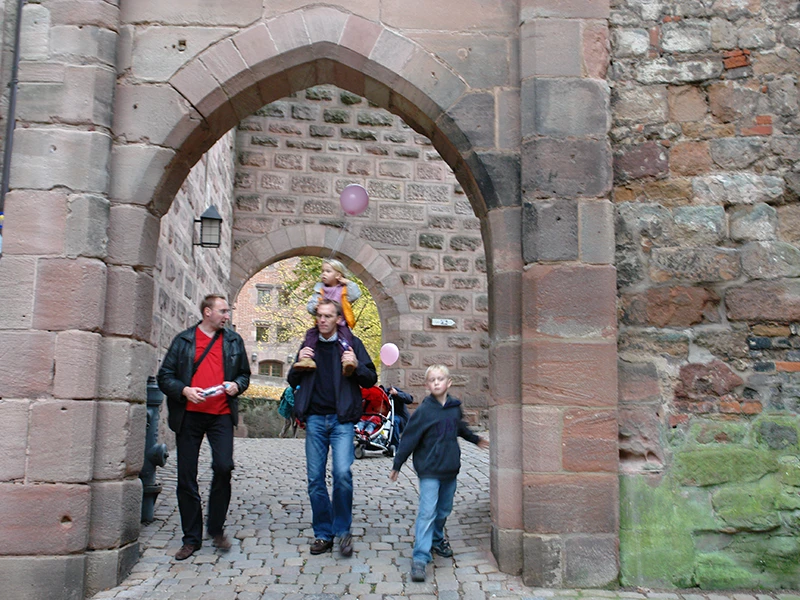
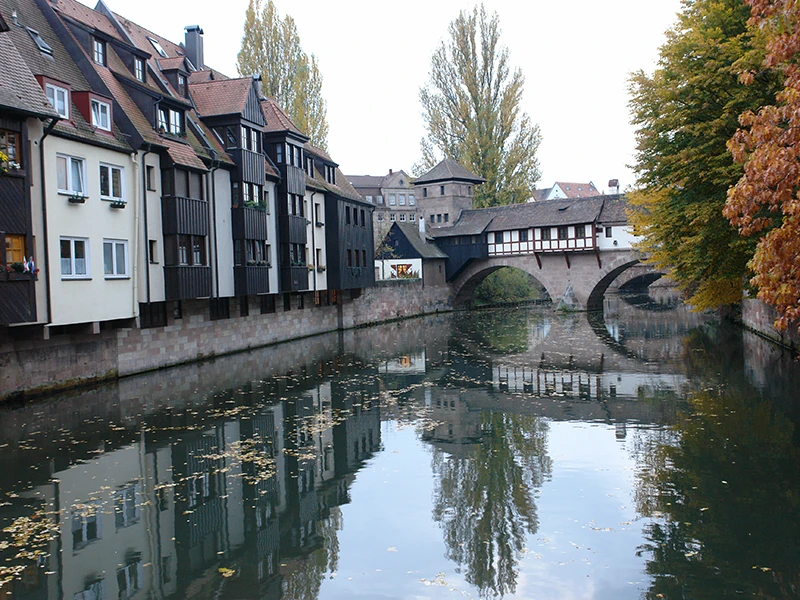
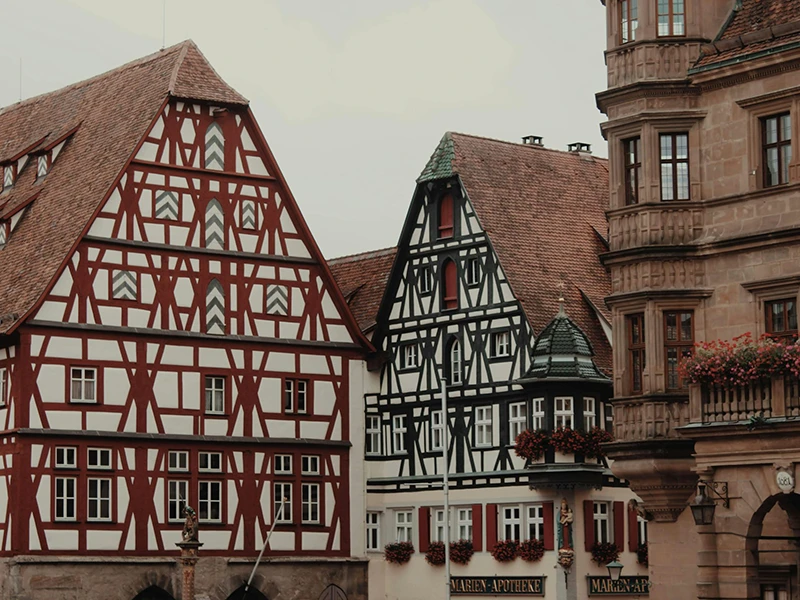
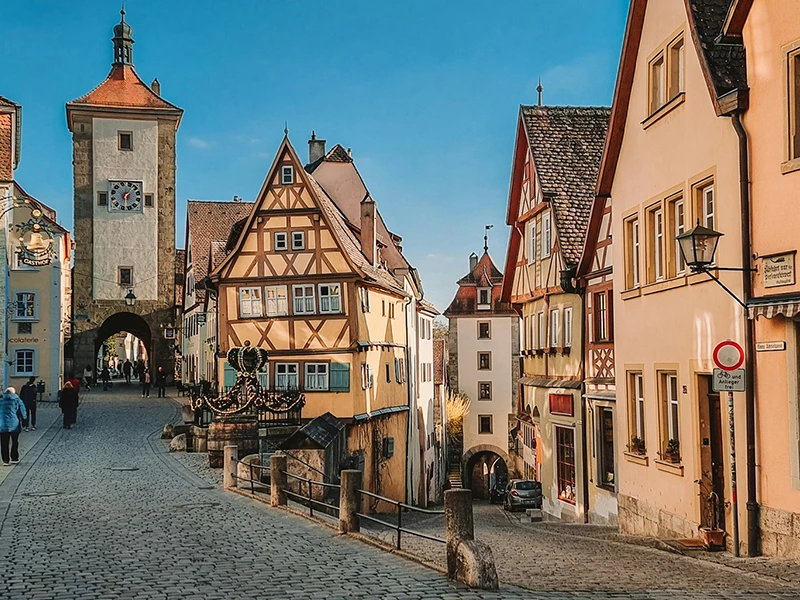
Continuing further south to Nuremberg, a city of medieval charm with Gothic churches, half-timbered houses, a central pedestrian zone and castle on the hill. Regensburg stands as Bavaria's best-preserved medieval city, with its Gothic cathedral, ancient stone bridge, and narrow pedestrian streets. Munich is the greatest of all Bavarian cities, with grand old buildings, pedestrian zones, major cathedral, especially the beer! Rothenburg ob der Tauber epitomizes the fairy-tale German town, with intact medieval walls encircling perfectly preserved timber-framed buildings and cobblestone squares.
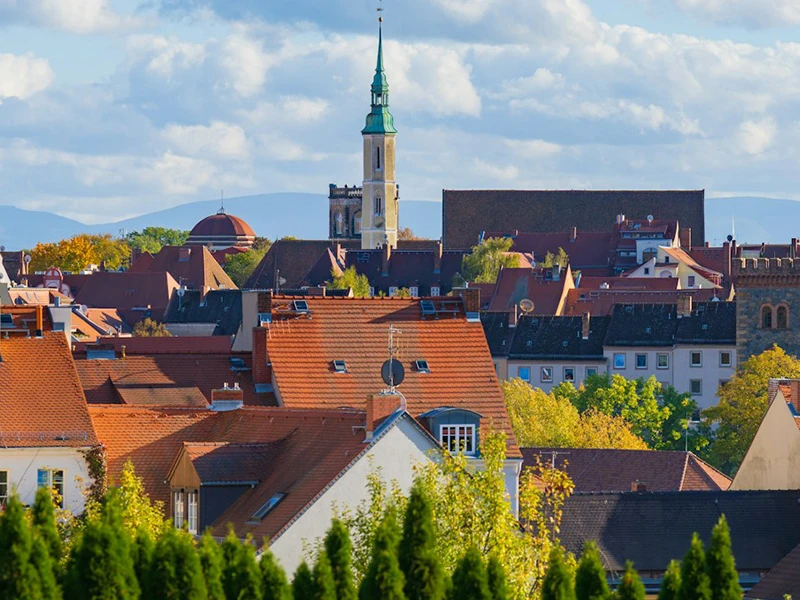
Würzburg blends baroque splendor with Franconian wine culture, dominated by Marienberg Fortress and the UNESCO-listed Residence. Leipzig illustrates a role as a trade and cultural hub, with a strong tradition in publishing and music. Dresden, with its combination of reconstructed historic architecture and cultural institutions, demonstrates resilience and adaptation after wartime destruction. Görlitz is renowned for its architectural heritage, with over 4,000 listed historical buildings, considered Germany's largest architectural monument. At the end we return once again to Berlin for a few more days.
Taken together, these cities and towns provide a comprehensive survey of Germany’s regional variety. The sequence moves from centers of political and cultural leadership to smaller towns that shaped economic, religious, and intellectual traditions.