Manarola, Italy
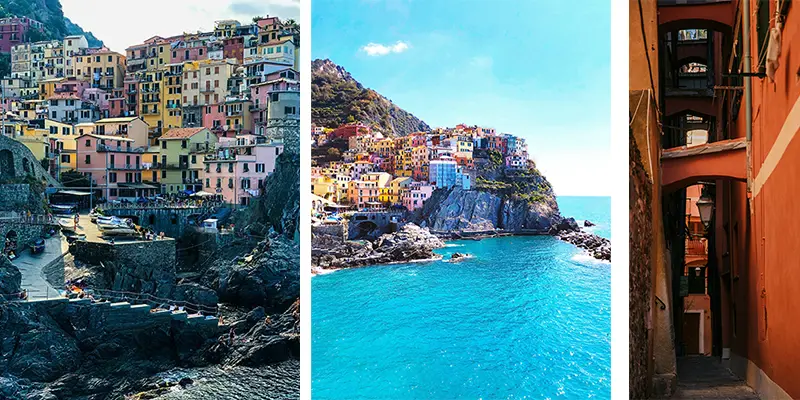
Manarola is one of the five villages of the Cinque Terre, a string of ancient fishing towns strung along a rugged stretch of the Italian Riviera in the region of Liguria, in northwest Italy. Its pastel-colored houses tumble down a steep ravine to a tiny rocky harbor, framed by terraced vineyards climbing the hillsides above, and the whole scene is among the most photographed in all of Italy. Small, car-free and intensely picturesque, Manarola rewards an unhurried visit of a few hours or an overnight stay.
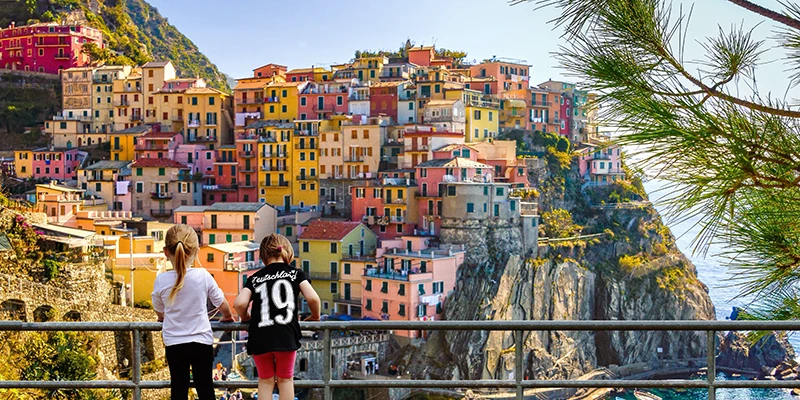
The Cinque Terre, whose name means "Five Lands," lies on the Ligurian coast between Levanto and La Spezia, about an hour south of Genoa. The five villages — from north to south, Monterosso, Vernazza, Corniglia, Manarola and Riomaggiore — are linked by train, by boat in season, and by walking trails, and together they form one of the most beloved destinations in the country. Manarola sits second from the southern end, between Corniglia and Riomaggiore, and is thought to be the oldest of the five.
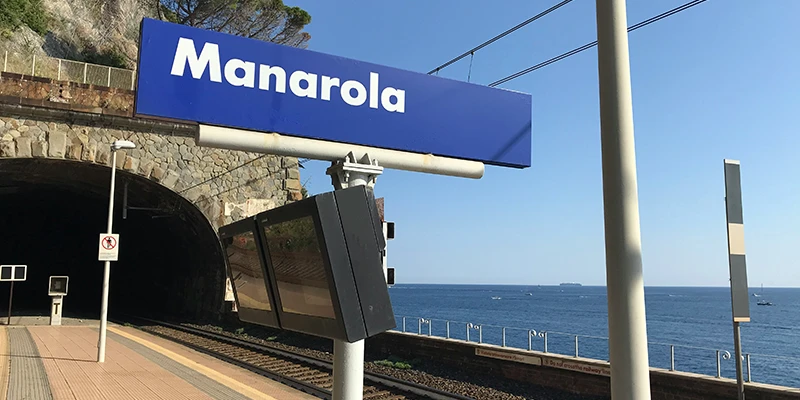
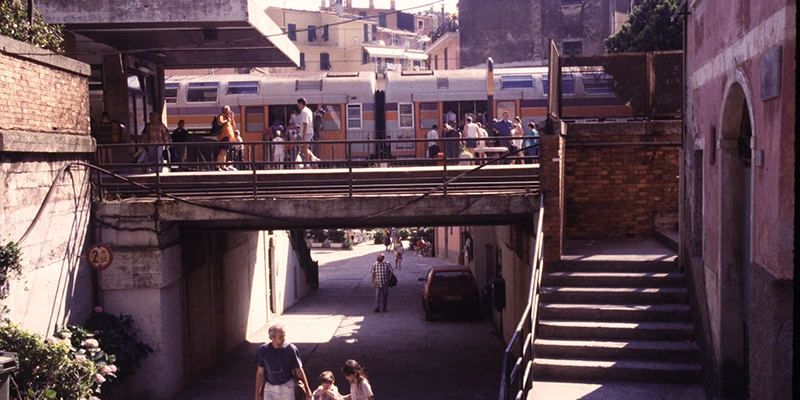
Arriving by train, you walk from the station through a short pedestrian tunnel that passes under the tracks, and in a few minutes you emerge into the village and follow its single main street down to the azure shores of the Mediterranean. Before heading downhill you can also walk a little uphill into the upper village, where there are more shops and a few small restaurants and cafés, and stalls selling the T-shirts, aprons and souvenirs that mark a Cinque Terre visit.
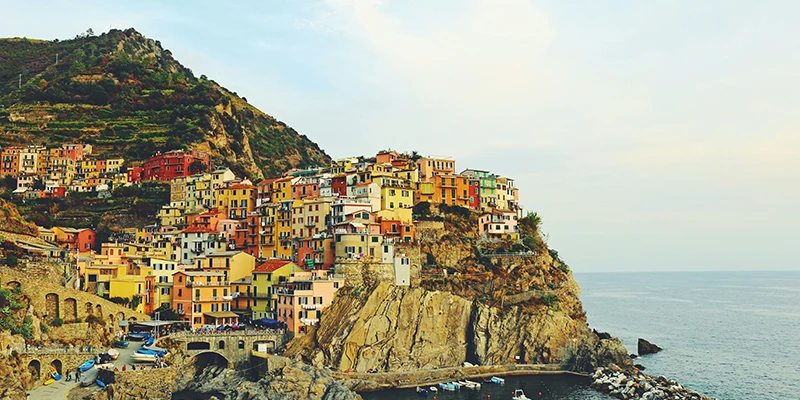
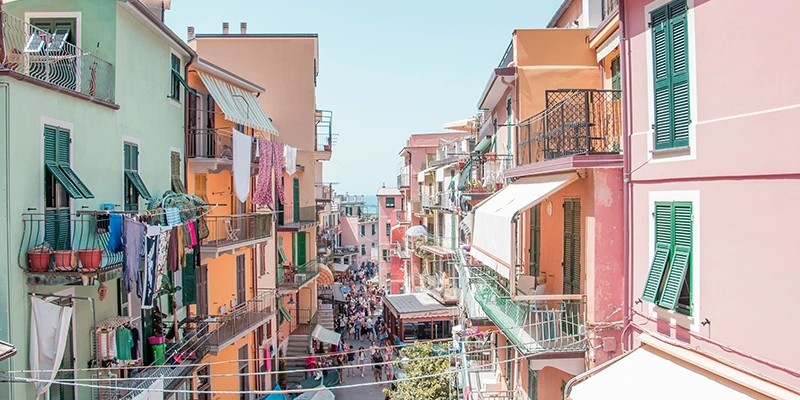
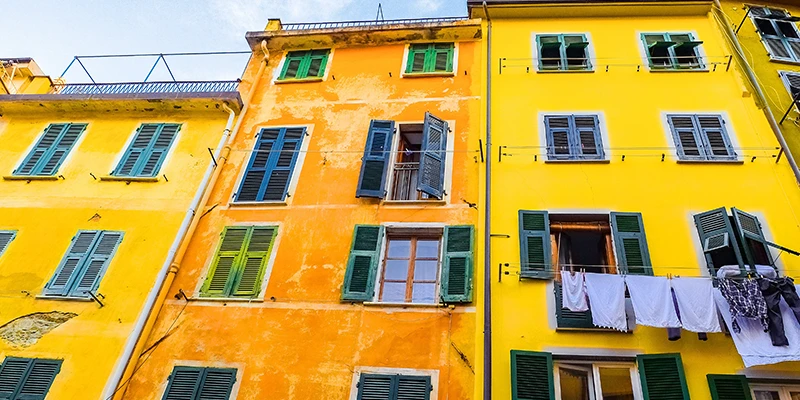
Manarola spills down the hill to the waterfront, its houses packed solidly together in the typical pattern of the region, with terraced hillsides for the grapes up above. The tall, narrow buildings in their warm shades of ochre, pink, yellow and orange are built right against one another, climbing the sides of the ravine in a way that has drawn comparisons to a cubist painting.
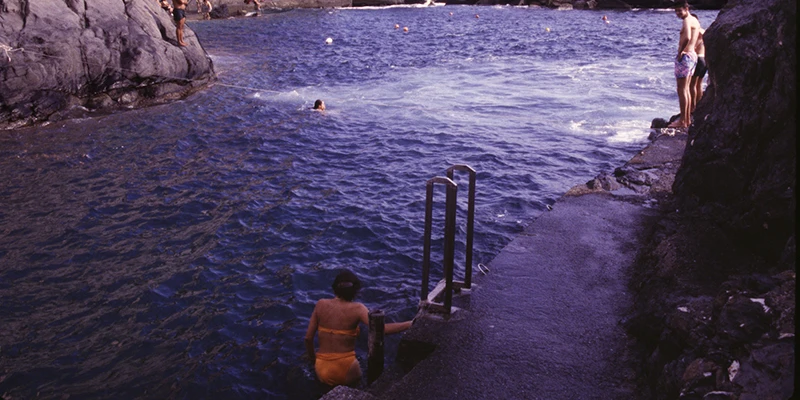
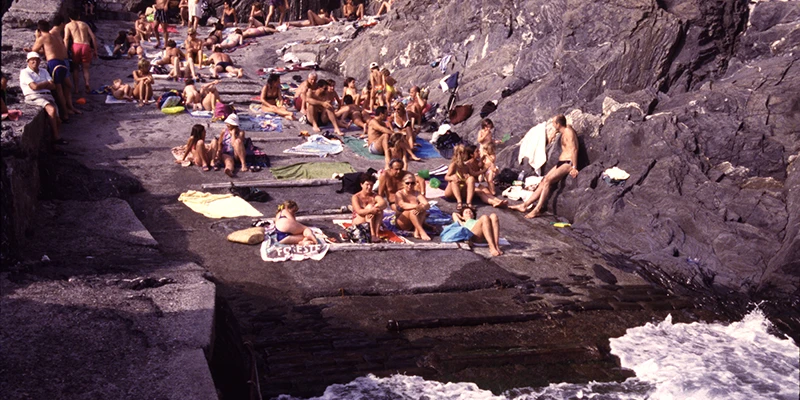
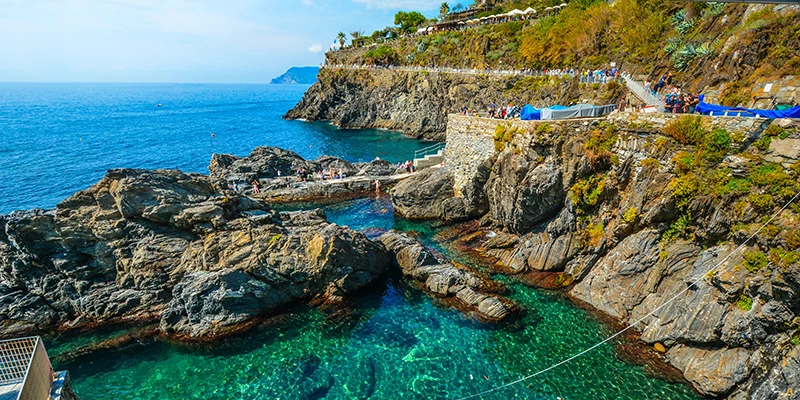
There is no beach, but there is a boat ramp carved into the stone, the most popular spot around, for it functions like a beach, packed with sunbathers in the summer. The ramp leads to a cove with good swimming, further protected by a stone jetty, with ladders to help people get in and out of the water. It is comfortable here — not a sandy beach or an Olympic-size pool, but sheltered water and a fine place to gather, drawing a mix of locals and visitors, some passing through for just an hour before moving along.
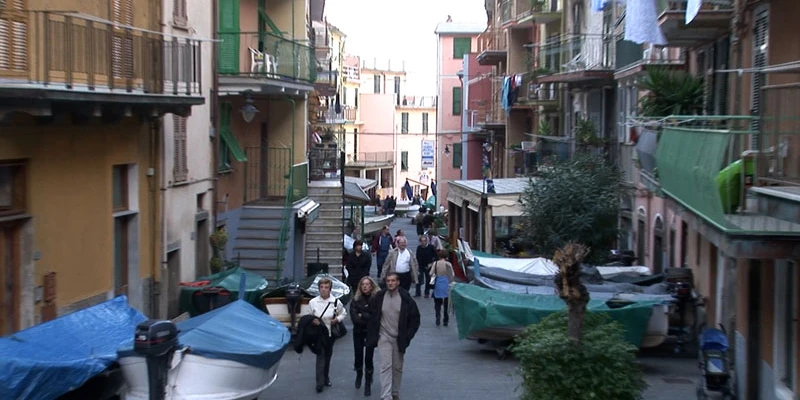
There is no room to anchor the boats in the water, so they are stored up on dry land, on the ramp and along the main street as well. The villagers long ago covered over the stream that once ran through the middle of town — the work was done in the 1950s — so that the main street is now an uninterrupted pedestrian walkway rather than a watercourse. It makes a very pleasant stroll, lined with restaurants, cafés, gift shops and souvenir shops.
Quite a few local residents like to hang out along the way, sitting on the benches, chatting with friends and people-watching, and the village's numerous cats share that same laid-back attitude. One of the pleasures here is simply watching the easy rhythm of local life, especially in the off season when the tourists thin out and the villagers have the lanes largely to themselves.
In the afternoons most of the shops close by around one o'clock for the siesta and reopen at three or four. Some of the tourist shops selling postcards stay open, but the other stores in the little side streets will be closed, so it is a good time to have lunch. It is a small place, but there is a nice selection of pizzerias and takeout food, or of course the ever-present pasta. You could pick up picnic supplies or settle in at one of the many terrace restaurants. The most basic Italian food here is focaccia, the Ligurian flatbread, little more than bread with olive oil and salt, and if you are a ceramics fan you will be delighted — even in this tiny village there is a major ceramic shop filled with colorful handmade items.
The classic view of Manarola is not from within the village but from the walking path that leads out along the point to the south. From there you look back at the pastel buildings spilling down the ravine to the harbor, a vista you simply cannot see from inside the town. It is well worth the short walk out to this spot — the single most rewarding thing to do in Manarola — and it is especially beautiful toward sunset, when the low light warms the colored façades and they glow above the water.
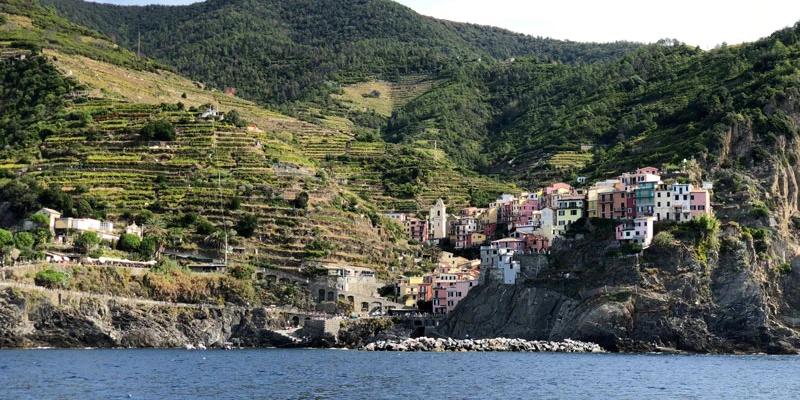
Those terraced hillsides are central to the character of the place. Over many centuries the people here built thousands of miles of dry-stone walls to carve farmable terraces out of the near-vertical slopes, planting them with grapevines and olive trees. The vineyards produce the local wines, including the sweet Sciacchetrà dessert wine that the Cinque Terre is known for, and the vast handmade landscape of walls and terraces is as much a monument as any building.
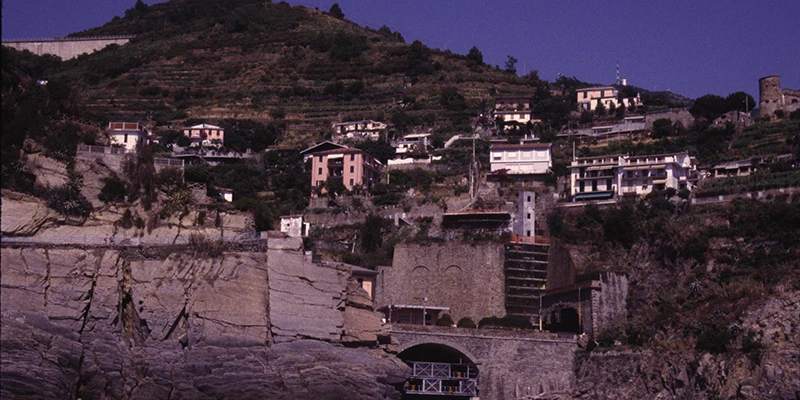
Manarola is a real, living town, not merely a tourist showpiece. Roughly a thousand people live here in the high season, with bed-and-breakfasts, small hotels and restaurants to look after visitors. There are no cars — you walk everywhere along the pedestrian lanes — and the buildings, many of them around four hundred years old, are carefully looked after even as their paint shows the patina of age. Laundry hangs from the windows above the colorful walls, part of the everyday scene that makes the village so photogenic.
The entire Cinque Terre coastline is protected, designated a UNESCO World Heritage Site. UNESCO describes the Ligurian coast between the Cinque Terre and Porto Venere as a cultural landscape of great scenic and cultural value, where the layout of the small towns and the shaping of the surrounding terraced landscape, overcoming the disadvantages of steep and uneven terrain, encapsulate a thousand years of continuous human settlement.
The villages also form the Cinque Terre National Park, the smallest national park in Italy at just over four thousand acres, and at the same time the most densely populated, with around five thousand residents spread among the five villages. The park has become a widely cited model of sustainable tourism, balancing the needs of present-day visitors against the protection of this fragile and extraordinary landscape for the future.
Watch the same video on the dedicated video page.
More Manarola videos: Manarola and Riomaggiore, Cinque Terre.