Heidelberg
copy.webp)
Heidelberg is one of the best-preserved historic towns in Germany, set along the Neckar River with a ruined castle on the hill above. The historic center, about one mile long and four blocks wide, is an ideal pedestrian zone for walking.
Three days is enough for a thorough visit — walks through the Old Town, the castle, and a boat excursion on the Neckar or Rhine. Most tour groups only stop for a quick castle photo and move on, which misses the character of the town itself.
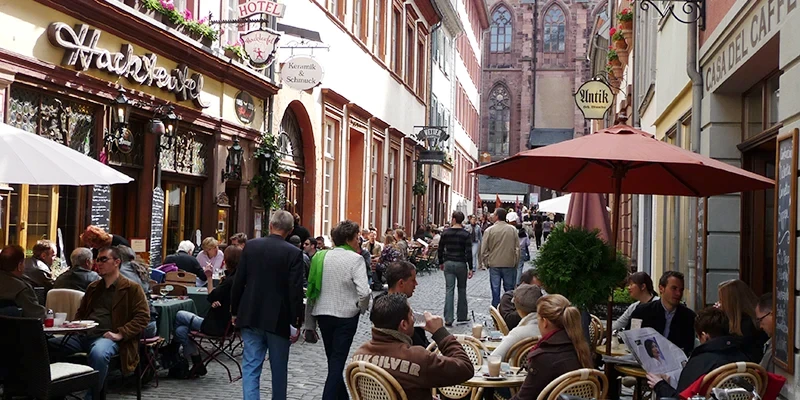
The architecture is consistent throughout the Old Town — four-story buildings with matching facades, earth-tone colors, and clay-tile roofs, all in a simple Baroque style. The shop interiors are contemporary. Restaurants serve traditional German cuisine and local beer.
Complete Video Tour of Heidelberg
Watch the same video in separate page →
Heidelberg is the most significant historic German city not damaged in World War II. Allied commanders designated it as their postwar headquarters and deliberately avoided bombing it. Most other German historic centers are postwar reconstructions; Heidelberg's buildings are originals. The preservation is in fact a result of much earlier destruction — the city was flattened by Louis XIV's invasion in 1688 and rebuilt in the early 18th century in a uniform Baroque style, giving the Old Town its harmonious appearance.
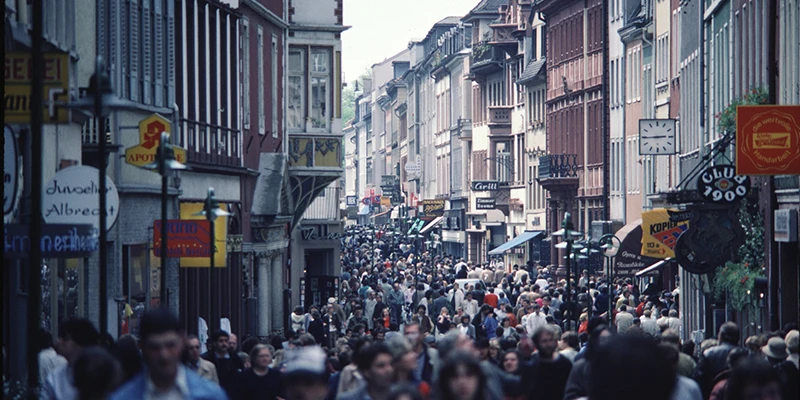
The main lane is the Hauptstrasse, which runs the entire length of the Old Town and is lined with shops, restaurants, bars and cafés. When the pedestrian zone was established in 1978 it was the longest in Germany.
Day One: Walking Tour in the Old Town
Main Square
.webp)
Start early at the Marktplatz, before the crowds arrive. The Holy Ghost Church (Heiliggeistkirche) dominates one side, the old City Hall the other. The church was built in the early 15th century of the red sandstone common to Heidelberg. The tower is open for a small fee, and concerts are held here most summer evenings — check the schedule posted on the front door.
Watch the Marktplatz and Hauptstrasse video →
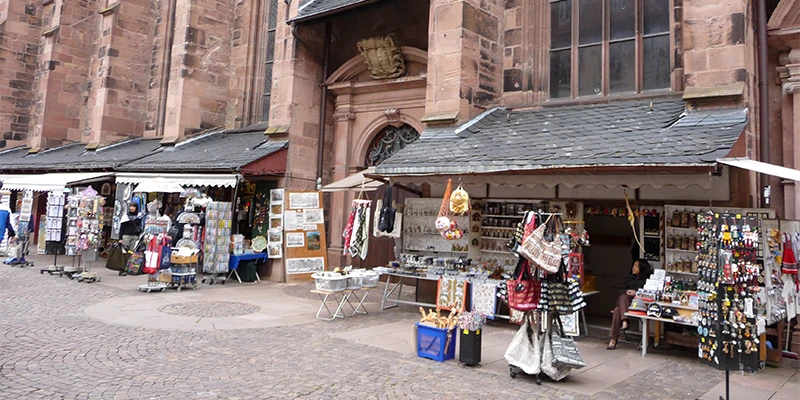
Shop stalls built into the wall of the church between the buttresses continue a tradition from the Middle Ages, now selling tourist items. On Wednesdays and Saturdays a farmers' market runs until 2:00 pm with fresh fruit, vegetables and cheese.
Main Street
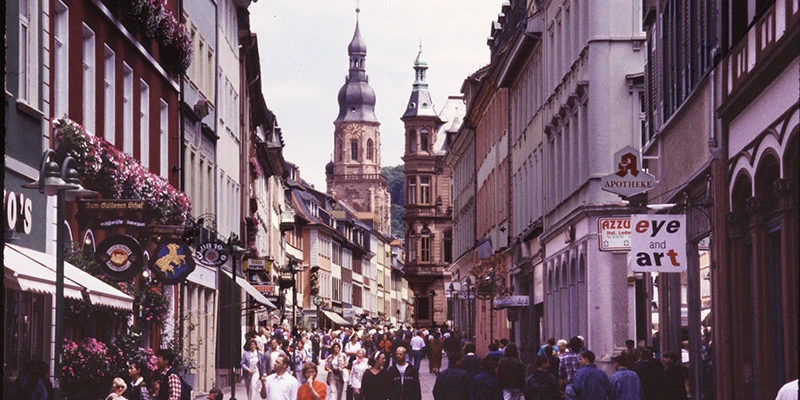
The Hauptstrasse draws you along a mile of historic facades with modern shop interiors. Cafés and snack bars are plentiful, and street musicians are common. Walk the full length to the end of the pedestrian zone. Beyond that the road enters the Neuenheim district with ordinary modern buildings and car traffic — stay in the Old Town.
Watch the Hauptstrasse video →
Back Streets
.webp)
On the return along the Hauptstrasse, detour into the side alleys. Plöck runs parallel to the Hauptstrasse and is narrower and quieter, with small shops, pubs and student bicycles. Friedrichstrasse and other cross streets return to the Hauptstrasse.
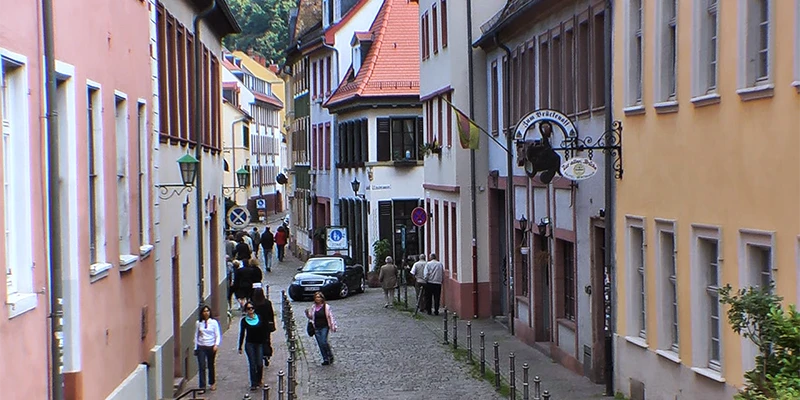
The side alleys are peaceful despite the crowds a block away on the main street. Ground-floor shops and offices sit beneath apartments, many rented by students. The combination of low-rise buildings, medium density, and mixed residential and commercial use creates the kind of "human scale" that modern planners try to recreate.
Watch a walk through the pedestrian zone →
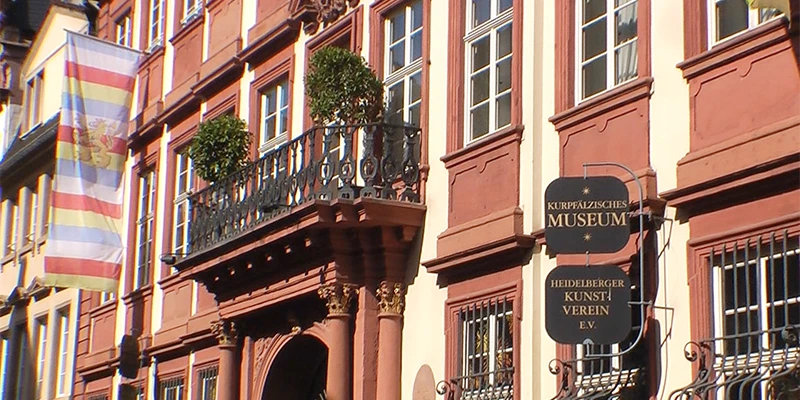
Kurpfälzisches Museum
The Kurpfälzisches Museum, mid-way along the Hauptstrasse, is the main museum in town. It covers archaeology, painting, sculpture, urban history, graphics and decorative arts.
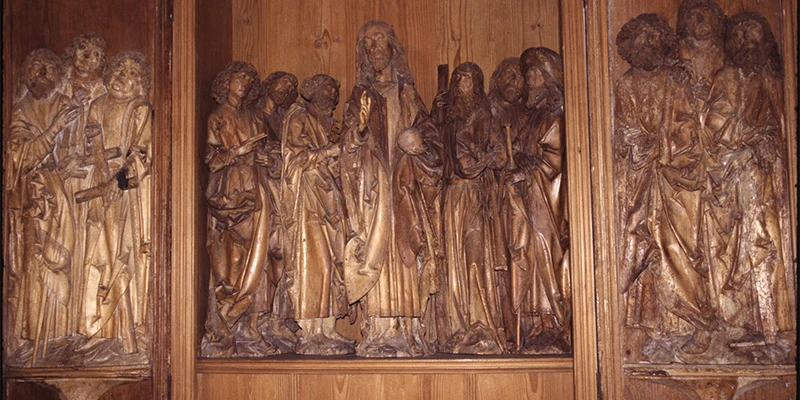
The masterpiece of the collection is a carved wooden altar made in 1509 by Tilman Riemenschneider, Germany's most important Renaissance sculptor. The museum is housed in a Baroque palace and has a small restaurant and garden café.
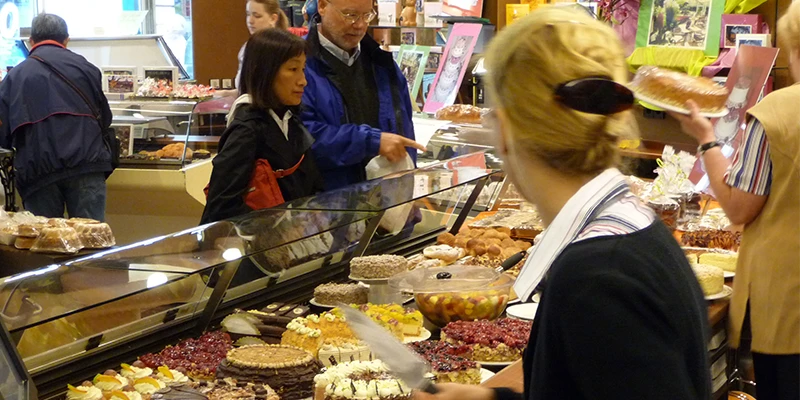
Across the street is Schafheutle, the best-known pastry shop in town, with seating on the Hauptstrasse, indoors, or in a garden courtyard with a fountain. Full lunch and dinner menus are also served.
University
copy.webp)
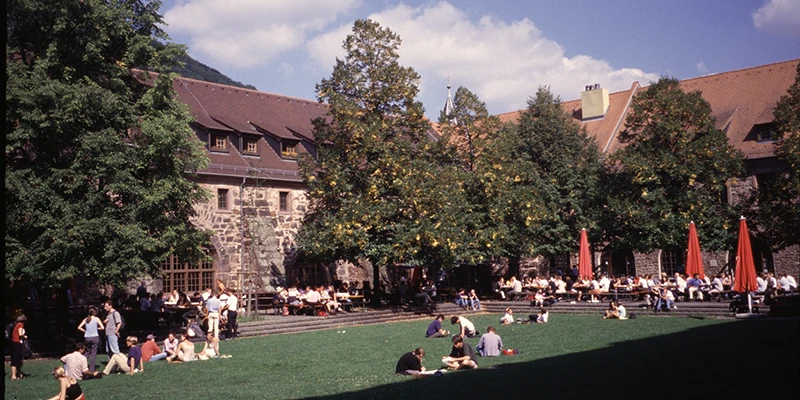
A block further along, Universitätsplatz is the center of the original university district. Heidelberg University opened in 1386 and is Germany's oldest. Most classes are now held on a newer campus a few miles away, but the original buildings remain in use. The library is in an elaborate Baroque style and holds over two million volumes. The student cafeteria occupies the former Marstall arsenal along the river. The university today has about 31,000 students across philosophy, law, theology, chemistry, medicine and other faculties, and seven Nobel laureates have taught here.
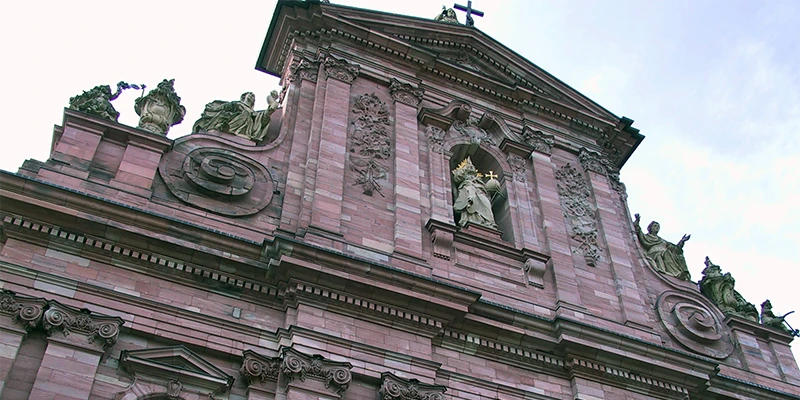
Just past the square stands the Jesuit Church, with an elaborate Baroque facade that looks more Italian than German. The interior is plain but light and airy. It was one of the first major buildings constructed after the late-17th-century wars. From here, Ingrimstrasse runs six quiet blocks to the Kornmarkt.
Kornmarkt and the Student Prince Pubs
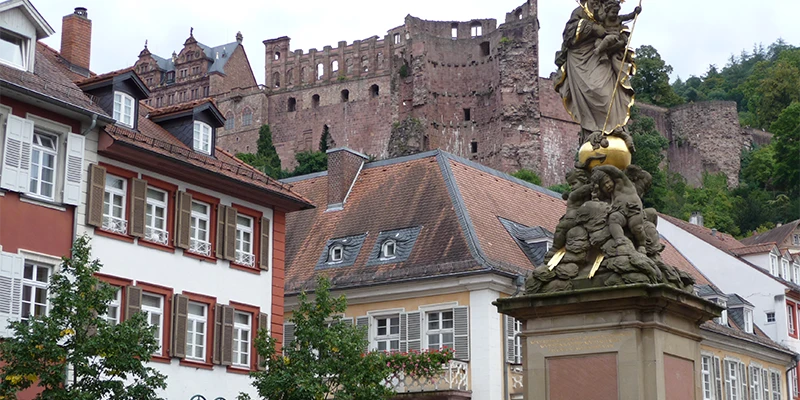
The Kornmarkt is a small cobbled square east of the Marktplatz, centered on a Baroque Madonna fountain. It offers one of the best views up to the castle. A block further along the Hauptstrasse brings you to Karlsplatz with a modern fountain.
Two traditional student pubs sit here — the Red Ox (Roter Ochsen) and Zum Sepp'l — both serving bar meals, beer, and occasional live music. The Red Ox featured in the operetta The Student Prince, which helped make Heidelberg famous in the early 20th century and again through the 1954 Hollywood film with Ann Blyth and the voice of Mario Lanza. Heidelberg's romantic image was established even earlier — Goethe called it "an ideal landscape," Brahms composed "Lullaby" on the riverbank, Turner painted sunsets here, and Mark Twain praised the town in A Tramp Abroad.
The Hauptstrasse ends at the Karlstor, an impressive gateway at the east edge of the Old Town.
Old Bridge and Philosophers' Walk
Watch the Philosophers' Walk video →
copy copy.webp)
Late afternoon is the right time for the Philosophers' Walk. Cross the river on the Old Bridge (Alte Brücke), dating to 1786, passing through its twin-towered gatehouse. The bridge has large statues along it, similar in character to the Charles Bridge in Prague and the Ponte Sant'Angelo in Rome. Once on the north bank, look back for a postcard view of bridge, town and castle.
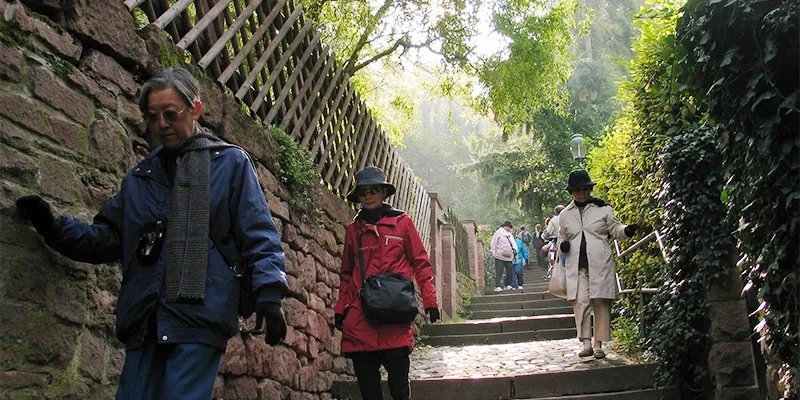
Cross the street at the light and follow signs for the Philosophenweg, a footpath that climbs the hill in a series of staircases. The climb takes about fifteen minutes — roughly thirty stories — and ends at an observation terrace with one of the finest views in Europe. Below are the red-tiled roofs of the Old Town and the castle on the opposite hill, especially vivid in late-afternoon light.
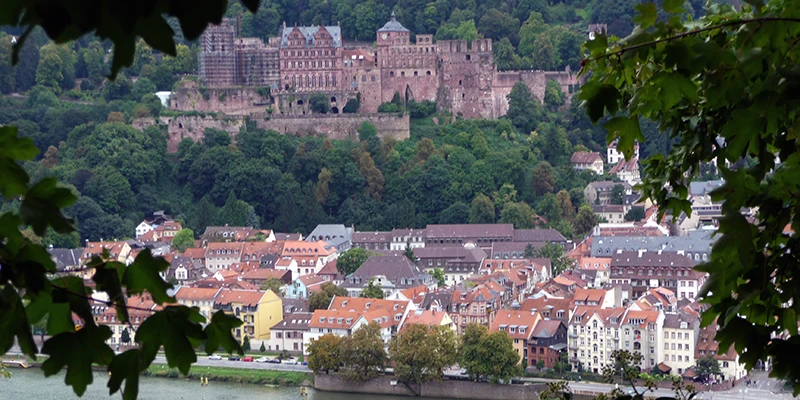
From the terrace the upper path continues about a mile to the modern Theodor-Heuss Bridge, where you can cross back to the Old Town. Most visitors return the way they came, which is an easier descent.
Steingasse, one block long just beyond the bridge gate, has several of the best restaurants in town, including Hacktäufel, with traditional German food and good beer. Other recommended restaurants within a few blocks of the bridge are Zum Ritter, Simplicissimus, Weisser Bock and Backmulde. Local specialties include lamb, venison, sausage, wild game and spätzle. Untere Strasse, parallel to the main street, has small boutiques and cafés.
Day Two: Heidelberg Castle
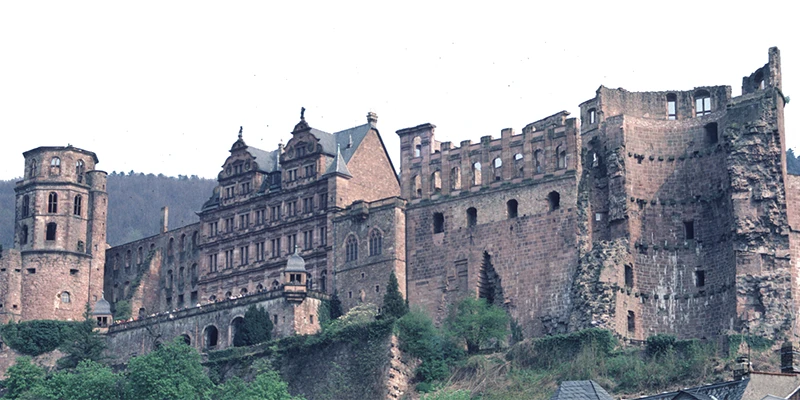
The castle is the main sight in Heidelberg. It is a romantic ruin, with enough of the original fabric standing to show the scale of the complex in its 15th- to 17th-century prime. The mix of partial ruin and restored buildings tells the story of the castle's destruction, and the view down over the Old Town ranks with those from Salzburg and Edinburgh.
Watch the full castle tour video (21 min) →
Reach the castle by funicular from Karlsplatz — the station is across the street from the square. The round-trip fare is modest. The line opened in 1890 and is one of the oldest funiculars in Germany. The walk up the hill through steep streets is possible but strenuous.
copy.webp)
Get off at the Schloss station, walk through the arched gateway, and turn left for the view down over the town. The castle sits on steep cliffs for natural defense, with high walls and a dry moat at the rear.
copy.webp)
The crumbling round tower at one corner was destroyed by French cannon in the 17th century — testament to the new era of artillery warfare that made medieval fortifications obsolete. Inside the courtyard, the condition of the main buildings is much better.
Buy your ticket at the booth next to the snack bar before entering the courtyard. The basic ticket covers the grounds, the wine barrel cellar, and the German Pharmacy Museum. A separate guided tour covers the restored private residential rooms and is worth the extra fee. As you enter through the Gate House, bridge and Gate Tower, look up into the arch to see the portcullis that once sealed the entrance.
Central Courtyard
.webp)
The most striking facade in the courtyard is the Friedrich Building, built from 1601–07 as living quarters for the Duke of Bavaria and decorated with sixteen statues of emperors and kings of the Wittelsbach dynasty.
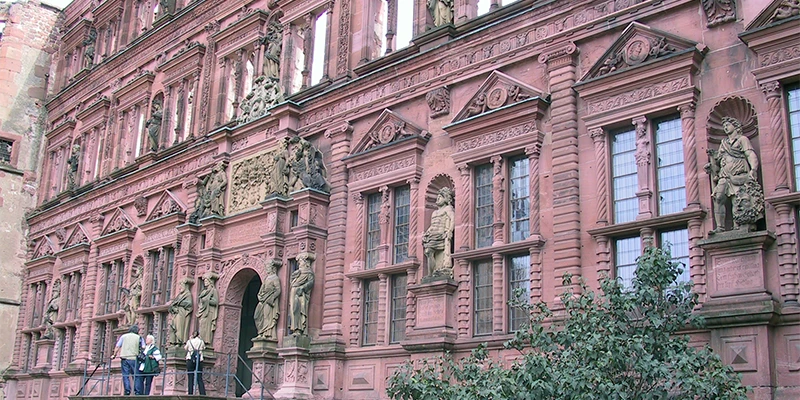
The castle wings show every stage of preservation. The Ottheinrichsbau on the right is considered the finest German Renaissance facade but is now an empty shell — gutted by a lightning strike and fire in 1764, decades after the French bombardment. Statues of Biblical and mythological figures still fill every niche, framed by elaborate pilasters and cornices, but you can see daylight through the windows to the ruin behind.
Watch the short castle video (5 min) →
Giant Wine Barrel
.webp)
The cellar on the left side of the courtyard holds the largest wine barrel in the world, made from 120 oak trees, with a capacity of 220,000 liters — equivalent to around 290,000 bottles. A wooden staircase leads to a viewing platform on top. A network of pipes once distributed wine from the cellar throughout the castle. Additional barrels brought total storage to roughly a million bottles, feeding a daily consumption of about 2,000 liters. A wine bar in the cellar serves reasonably priced tastings of German reds and whites.
copy.webp)
An archway on the left of the courtyard leads to the Great Terrace, with a broader panoramic view of the town below than the first viewpoint offered.
Pharmacy Museum
The German Pharmacy Museum, included in the basic ticket, covers the history of medicine from the 16th through 19th centuries with original laboratory instruments, a reconstructed apothecary shop, and informative English-language displays. The galleries run through the castle's lower level in rooms that feel carved from the bedrock. Adjacent there are barrel-vaulted chambers open to the air.
copy.webp)
Royal Chambers
The optional guided tour visits the restored residential rooms — elaborate ceiling murals, stucco reliefs, period furnishings, ceramic stoves, marble statues, wooden mosaic floors, and a large reception hall still used for events. The interiors range from Renaissance to Baroque.
copy copy.webp)
Castle Garden
The Castle Garden, free to enter, occupies a series of terraces that were originally a rocky chasm defending the castle's flank. Friedrich V filled it in during the early 17th century to create an elaborate formal garden with fountains, flowerbeds, greenhouses and fish ponds — a layout so ambitious it was called the eighth wonder of the world. Filling in the chasm removed the castle's natural defense, and invading armies during the Thirty Years War used the level gardens as an avenue of attack. Later wars destroyed the garden completely. It was redesigned in the early 19th century in the simpler English style seen today.
.webp)
The far end of the garden offers another good view of the town. Several fountains are scattered through the terraces, with a river god reclining in a grotto at the rear.
copy.webp)
From the garden, walk down a gentle pathway or take the funicular back down. Another option is to continue higher up the mountain on the longer funicular to 1,600 feet, where there is a small amusement park, snack bar, and an observation tower over the surrounding countryside. A two-mile woodland footpath descends from there back to town.
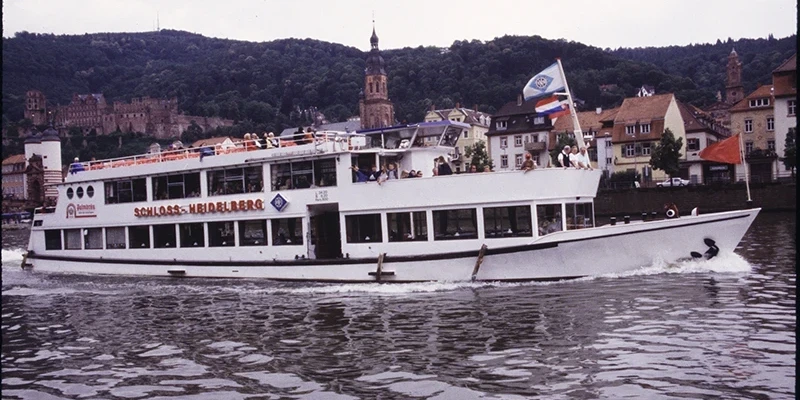
In July and August a Summer Festival runs in the castle courtyard with evening music and stage performances, moving indoors to the Great Hall in rain. Chamber music festivals run in January and June, and a traditional Christmas Market in December.
copy.webp)
Restaurants
Heidelberg has some of the finest restaurants in Europe, with a variety of fine dining, outdoor cafés and casual eating in the narrow pedestrian lanes of the Old Town.
Day Three: Excursions
Boat Ride
A 40-minute boat ride on the Neckar is a relaxing late-afternoon option, leaving from the dock near the university cafeteria on Bauamtsgasse, about half a mile from the Marktplatz. The last departure is usually at 5:00 pm. A longer option is the half-day round trip to the nearby village of Neckarsteinach to see castle ruins.
Watch the Neckar boat ride video →
Neckarsteinach by Boat
The best day trip is by river boat to Neckarsteinach, a small village upstream. The cruise takes 90 minutes each way, leaving time for lunch and a walk to the village's four castle ruins. Boats are mid-sized, with indoor and deck seating and a snack bar.
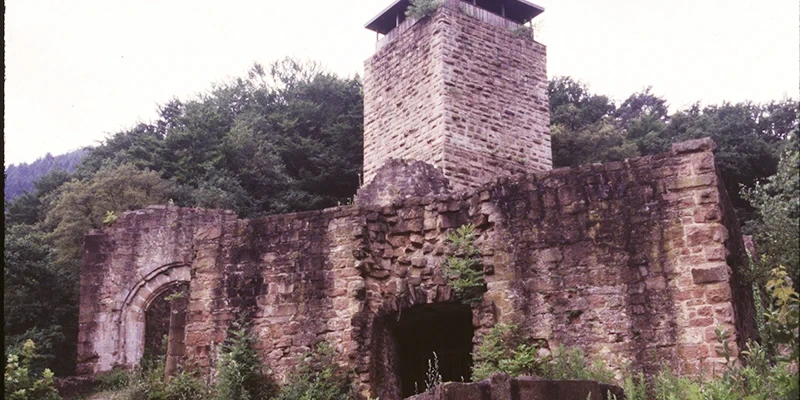
The footpath from the village runs along the river valley past each successive castle, the fourth and farthest — about a mile from town — being the best. The small castles here were once homes to barons who extracted tolls from passing ships. You can walk the ruins and climb the crumbled stairs for a view over the valley.
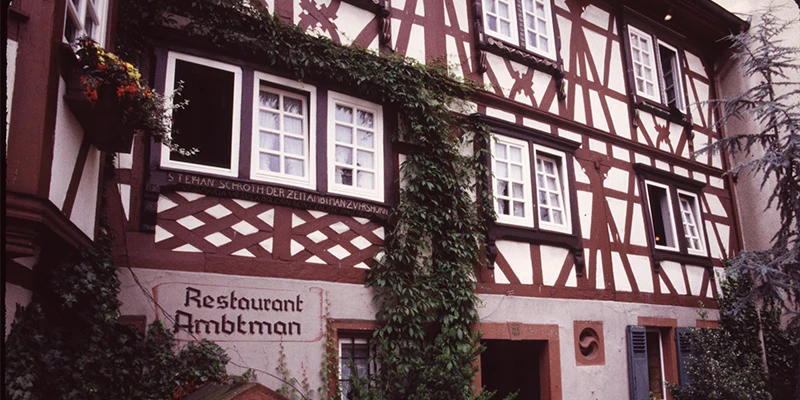
Restaurants in the village center serve traditional local food, and a brass band sometimes plays at outdoor pubs. Return boats run about hourly until 5:00 pm.
History of Heidelberg
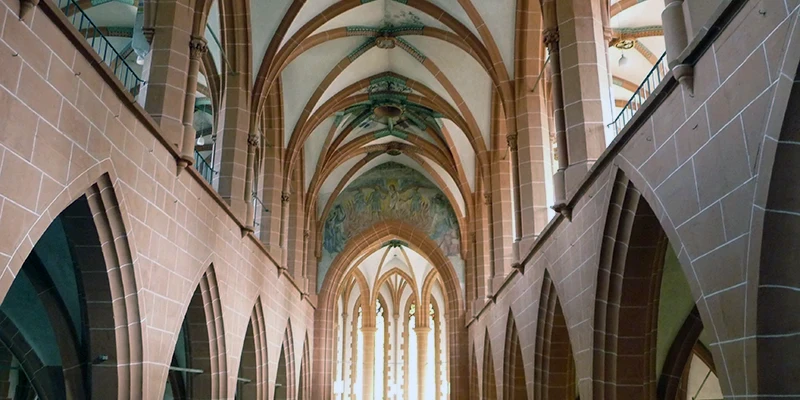
The foundations of Heidelberg are Gothic, built from the 12th through 16th centuries on a street grid that may date back to the Roman encampment established here in the first century. The region was inhabited far earlier — a Homo erectus jawbone, the "Heidelberg Man," was found nearby in 1907 and dates to roughly 600,000 years ago.
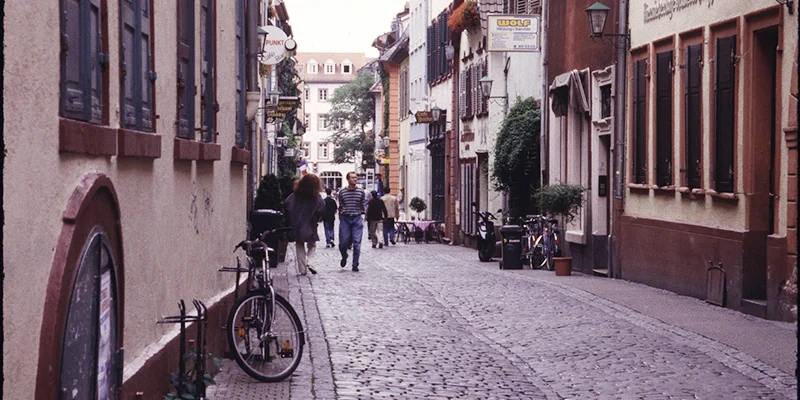
The first settled village is thought to have emerged in the 5th century. The castle was begun in the early 14th century and greatly expanded in the 16th in Renaissance style, establishing Heidelberg as the seat of government for a wide surrounding region. Heidelberg University opened in 1386, the first in Germany.
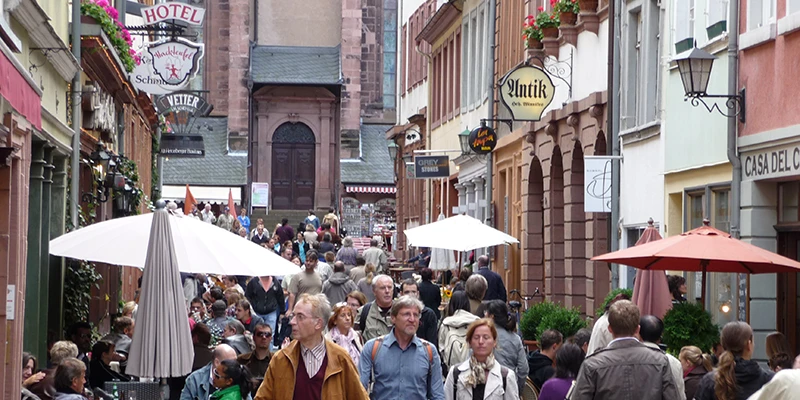
The town grew peacefully until the 17th century, when wars between Catholics and Protestants and foreign invasions — including a brief Swedish occupation in 1633–34 — disrupted the region. The decisive event was Louis XIV's invasion in 1688, part of his campaign to extend French borders. The Old Town was flattened and the castle partly destroyed by French cannon.
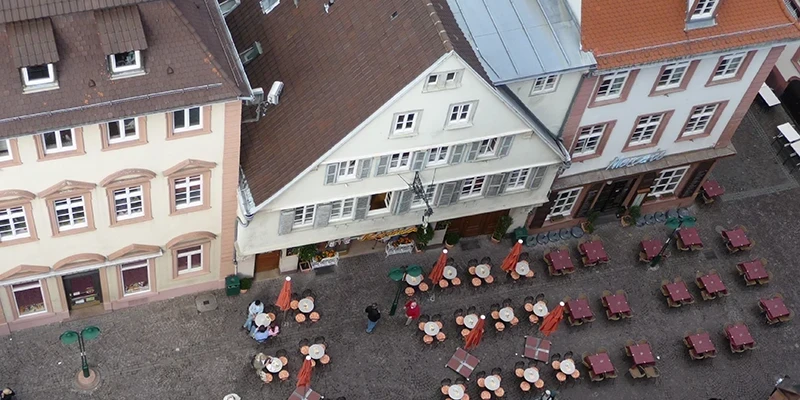
The surviving residents rebuilt the city in the early 18th century in a uniform simple Baroque style, which is why most Old Town buildings today share that consistent appearance and are all about 300 years old. The city has escaped further damage since, and strict modern zoning has kept later development away from the historic center.
Watch the complete Heidelberg tour video →
Watch the Philosophers' Walk video →
Watch the Heidelberg Castle movie →
Watch the Neckar boat ride video →
Watch the main square and lane video →
Watch the little lanes video →
Watch the Heidelberg restaurants video →
Watch the arrival in Heidelberg video →
Watch the Hauptstrasse video →
Watch the Heidelberg Castle video →