Lübeck Travel Guide
Hanseatic Heritage and Medieval Splendor
Lübeck stands as the "Queen of the Hanseatic League," offering visitors an extraordinary journey through medieval maritime history within its UNESCO World Heritage old town. This former "Free Imperial City" showcases the pinnacle of brick Gothic architecture, merchant culture, and Hanseatic trading heritage through remarkably preserved buildings, churches, and neighborhoods. Built on an island in the Trave River, Lübeck's compact historic center provides an authentic medieval experience combined with vibrant contemporary culture, from literary museums to traditional marzipan craftsmanship.
The Official Tourist Information website has a large amount of information about the city and surroundings, including sights, accommodations, dining, tours, scenic routes, free brochures, maps and more.
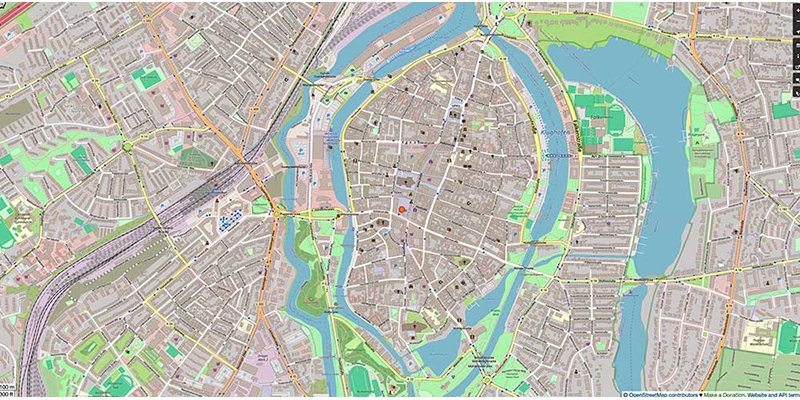
This interactive Google My Map shows locations with information that can be displayed by clicking on the symbols. It has sidebar index and displays best in full-frame by clicking the box in top-right. The map can be used on your phone or tablet when visiting a city, showing you where to go and describing the sights. You are welcome to make a copy as described here. Lübeck can be visited as a daytrip from Hamburg, 46-minutes by train
.webp)
UNESCO Old Town and Medieval Street Network
Holstentor serves as Lübeck's most recognizable landmark, featuring medieval brick construction with twin towers and housing a museum dedicated to the city's Hanseatic history. This iconic city gate represents the power and prosperity of medieval Lübeck's merchant culture. Burgtor provides additional medieval entrance experience as a preserved northern city gate from the 15th century with Gothic brick construction marking the historic entrance to the old town. Kaisertor Playground and Wallanlagen extends the fortification theme through green belt areas with picnic spaces, shaded playgrounds, and preserved historic ramparts at the southern edge of the old town that demonstrate Lübeck's defensive heritage.
.webp)
Lübecker Altstadt encompasses the UNESCO-listed historic old town situated on an island in the Trave River, featuring cobblestone streets, brick Gothic churches, merchant houses, and pedestrian zones that preserve medieval urban planning. Old Town Island functions as a compact pedestrian zone containing most of Lübeck's historic buildings, plazas, shopping streets, and waterfront viewpoints within walking distance. The Hidden Alleys and Courtyards create a network of narrow residential lanes and historic courtyards known as Gänge and Höfe, offering quiet walking routes that reveal Lübeck's authentic residential heritage. Glandorps Gang exemplifies these historic alleyways leading to hidden courtyards and residential areas that showcase traditional urban living patterns.
Historic Shopping Streets and Residential Districts
Breite Strasse functions as the main pedestrian shopping thoroughfare connecting major attractions, lined with department stores, boutiques, cafés, restaurants, and restored historic buildings that blend commercial activity with architectural heritage. Huxstrasse provides additional shopping experience as a lively pedestrian street with boutiques, galleries, specialty shops, and cafés housed in traditional merchant houses that maintain authentic medieval commercial atmosphere. Fleischhauerstrasse offers vibrant independent shopping with distinctive architecture and pleasant pedestrian environment for exploring local businesses.
3-up.webp)
Mengstrasse showcases historic commercial heritage through its medieval gabled houses, former merchant residences, and access to notable courtyards that demonstrate how wealthy merchants lived and conducted business. These Pedestrian Zones focus around Breite Strasse and the old town core with shops, cafés, restaurants, and historic architecture creating comprehensive commercial districts within medieval settings.
Market Square and Rathaus creates the central plaza surrounded by Gothic and Renaissance buildings including the ornate Town Hall, hosting markets, events, and guided tours that represent Lübeck's civic heritage and continuing community life. Koberg Square provides a triangular public space in the northern old town surrounded by historic guild buildings, merchant houses, and St James Church that demonstrates medieval urban planning and guild system organization. These squares serve as focal points for understanding Lübeck's development from medieval trading center to modern cultural destination.
.webp)
Sankt Jurgen provides quiet district experience with historic chapels, parks, and tree-lined walking paths that show residential life beyond the commercial old town center. Sankt Lorenz Sud offers neighborhood atmosphere with local markets, eateries, and residential streets featuring ivy-covered houses and hidden courtyards that demonstrate contemporary life within historic settings. Muhlenstrasse showcases picturesque medieval residential architecture with well-preserved gabled houses in North German style.
Trave River Waterfront and Maritime Areas
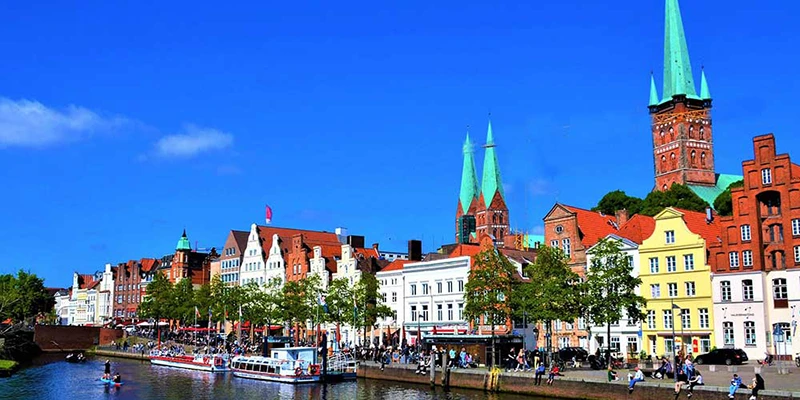
Waterfront and Trave River Promenade encompasses scenic riverside areas with walking paths, historic warehouses, bridges, boat tours, and city skyline views that showcase Lübeck's fundamental relationship with water transportation and trade. An der Obertrave and An der Untertrave provide streets along the Trave River with colorful gabled houses, outdoor seating areas, walking paths, and views of historic warehouses and maritime architecture that create atmospheric waterfront districts.
.webp)
Salzspeicher Warehouses demonstrate Renaissance brick construction in a row of buildings historically used for storing salt with distinctive stepped gables that represent Lübeck's role in the vital salt trade. Malerwinkel offers a scenic viewpoint on the Trave River providing classic views of Lübeck's old town skyline that attract photographers and visitors seeking iconic city perspectives. Millennium Bridge Waterfront extends riverside pedestrian access with harbor views, boat trip departures, and waterfront cafés that connect historic areas with contemporary recreational facilities.
Museums and Cultural Institutions
Buddenbrookhaus serves as both historic merchant house and literary museum dedicated to the Mann family, featuring exhibits on Thomas Mann's novel Buddenbrooks, Lübeck merchant life, and the city's significant literary history that earned it recognition in world literature. Europäisches Hansemuseum provides comprehensive modern museum facilities on the waterfront exploring Hanseatic League history through interactive displays, artifacts, and harbor views that explain Lübeck's central role in medieval Baltic trade networks.
.webp)
Behnhaus Drägerhaus Museum houses art collections featuring works from Romantic and Classical periods displayed in two historic townhouses that demonstrate both artistic heritage and residential architecture. St Annen Museum occupies a former monastery displaying medieval religious art and cultural heritage collections that provide insight into monastic life and medieval artistic achievement. Willy Brandt House offers modern historical perspective through exhibits dedicated to the former German chancellor and Nobel Peace Prize laureate's life and work.
Marzipan Museum celebrates Lübeck's confectionery tradition with exhibits on production history and craftsmanship that explain the city's association with this luxury food product and its role in medieval and modern commerce. Heiligen-Geist-Hospital preserves medieval charitable institution heritage with Gothic architecture, preserved chapel, murals, and small rooms once used for patient care that demonstrate medieval social welfare systems and religious charitable work.
.webp)
Working Harbor and Maritime Activities
Drachenpark and Drägerpark provide riverside green spaces with walking paths, play areas, open lawns, and views toward the old town located along the Trave River that offer recreational opportunities within the urban environment. Drehbruckenplatz creates public plaza space with wide steps facing the Trave River, used for relaxing, enjoying sunsets, and observing waterside activities that connect visitors with the river environment and daily life.
Fischhafen maintains working harbor atmosphere with fish stalls, seafood eateries, and waterfront access that demonstrate continuing maritime commerce and traditional food culture. This area connects visitors with Lübeck's ongoing relationship with Baltic Sea fishing and maritime activities beyond the historic preservation focus.
.webp)
Travemünde extends Lübeck's appeal through its Baltic seaside district featuring beach promenade, lighthouse, and harbor facilities accessible by train or boat from the city center. This coastal connection demonstrates Lübeck's historical and continuing relationship with Baltic Sea trade, recreation, and maritime culture that extends beyond the medieval island city center.
Lübeck's remarkable preservation of medieval urban heritage maintainins a vibrant contemporary culture, ensuring visitors can appreciate both the historical significance of Hanseatic trading culture and the continuing vitality of this UNESCO World Heritage city that successfully balances preservation with modern urban life.