Hildesheim
.webp)
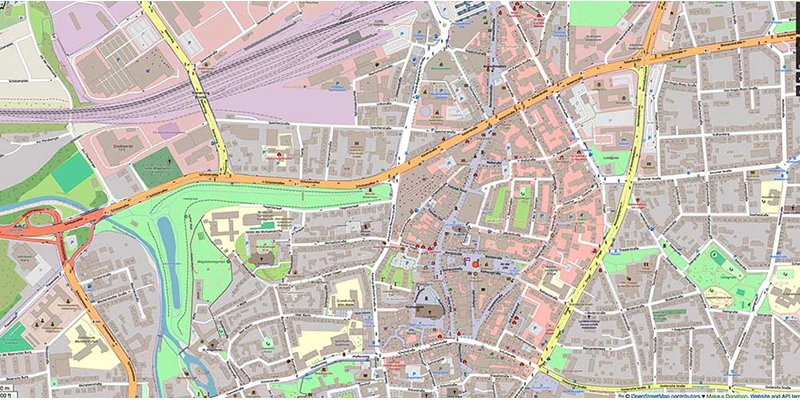
Hildesheim stands as one of Lower Saxony's most historically significant cities, offering visitors a remarkable journey through more than a millennium of German history. Founded in 815 as a bishopric near a ford of the river Innerste, this compact city has preserved exceptional examples of medieval architecture while adapting to modern needs. The UNESCO World Heritage churches, reconstructed medieval market square, and well-preserved Romanesque religious art make Hildesheim a destination of international importance. The historic center combines carefully restored half-timbered buildings, significant religious sites, and modern amenities within a pedestrian-friendly area that extends from the railway station to the market square and beyond.
This interactive Google My Map shows locations with information that can be displayed by clicking on the symbols. It has sidebar index and displays best in full-frame by clicking the box in top-right. The map can be used on your phone or tablet when visiting a city, showing you where to go and describing the sights. You are welcome to make a copy as described here. Hildesheim can be visited as a daytrip from Hannover, 31-minutes by train.
The Official Tourist Information website has a large amount of information about the city and surroundings, including sights, accomodations, dining, tours, scenic routes, free brochures, maps and more.
The Heart of the City
.webp)
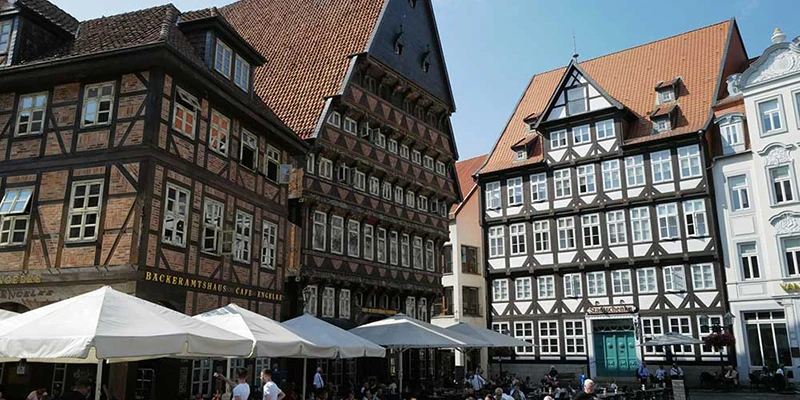
The Historic Market Square (Marktplatz) serves as the reconstructed heart of Hildesheim, originally created in the 13th century when the small Saxon town gained status as a major trading and merchant center. The ensemble of Renaissance guildhalls, municipal buildings, and patrician houses has been carefully reconstructed since the 1980s after destruction during World War II. The colorful half-timbered facades represent different periods of German architecture and now house cafes, shops, and restaurants. Notable structures include the Knochenhaueramtshaus, Bäckeramtshaus (Baker's Guild Hall), Wedekindhaus, and a Renaissance fountain from 1542. The square hosts regular markets and cultural events, maintaining its role as the city's social center.
The Butchers' Guild Hall (Knochenhaueramtshaus) dominates the market square as the most ornate structure and finest example of German Renaissance craftsmanship in the city. Originally built for the butchers' guild in 1529 and meticulously reconstructed in the 1980s using oak beams, pegs, and historic roof tiles, the building features intricate carved details and distinctive architectural elements. The facade tells stories through its decorative elements, demonstrating how medieval German guilds expressed their prosperity through architectural grandeur. The building now houses a restaurant and city museum, serving as both a cultural venue and focal point of the square.
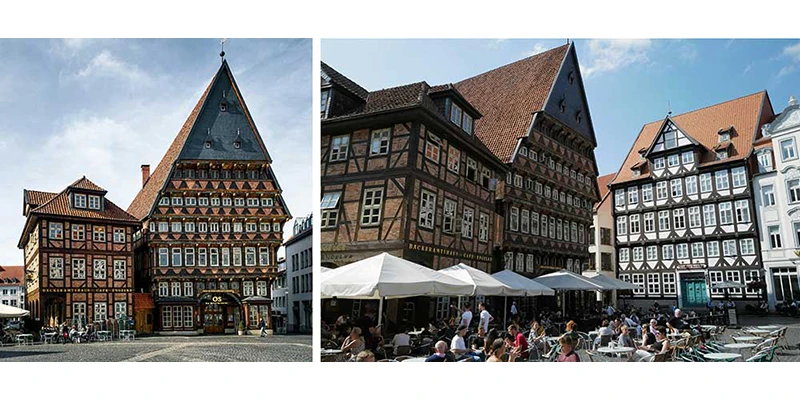
The Wedekind House showcases the wealth and architectural ambitions of Hildesheim's merchant class during the city's prosperous trading period. This Renaissance patrician house features elaborate stone carving and distinctive architectural details that reflect Italian Renaissance influences adapted to northern German building traditions. Now serving as a cultural venue, the house represents the secular architectural achievements that complemented the city's religious buildings, demonstrating how wealthy merchants expressed their status through sophisticated residential architecture.
Bahnhofsallee forms the backbone of Hildesheim's primary shopping area, leading from the central station into the city center. This main street creates a pleasant shopping and strolling environment while providing a transitional experience for visitors and serving as a hub for daily life and commercial activity.
Pedestrian areas
The Pedestrian Zone creates a charming blend of history, culture, and vibrant city life centered around the beautifully restored Market Square. This car-free area invites leisurely exploration past boutique shops, cozy cafés, and traditional bakeries. The zone extends from the central station to the historic market square and beyond, featuring a wide range of shops, department stores, smaller boutiques, cafes, and restaurants while connecting modern infrastructure with the historical core of the city.
Alter Markt (Old Market) represents where the original market was held and maintains its medieval character with well-preserved buildings that provide insight into the city's earliest commercial activities. St Magdalena's Church, a small church with large lancet windows, graces this historic narrow street. The area features traditional architecture and connects to the modern market square, showing the continuity of Hildesheim's trading tradition through different historical periods and urban development phases.
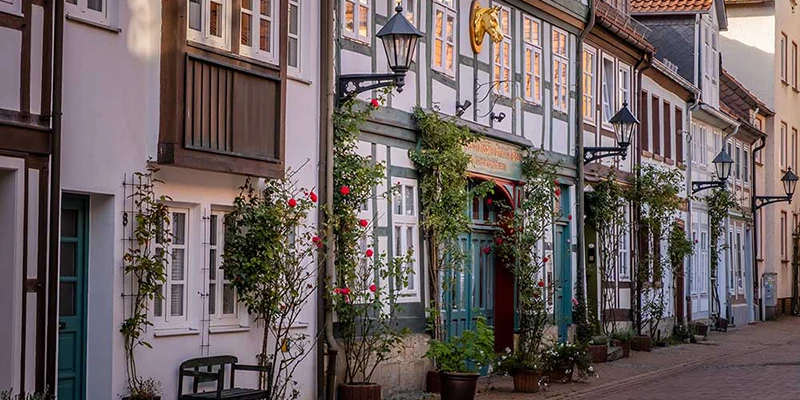
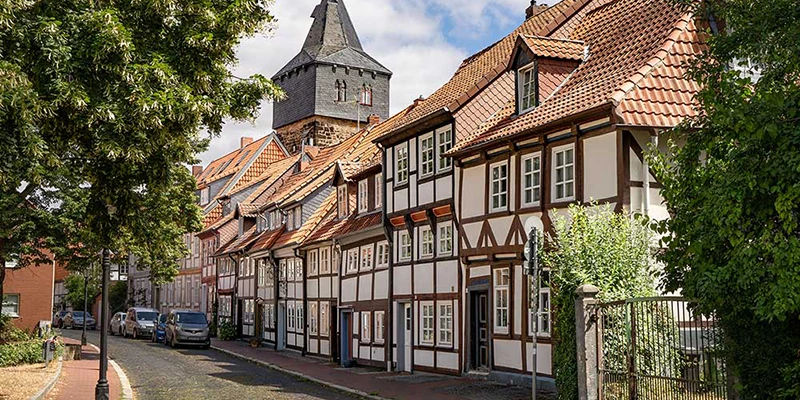
The Godehard Quarter invites visitors to step into the city's medieval past as a historically rich district anchored by the magnificent St. Godehard Basilica. The quarter features narrow cobbled streets lined with half-timbered houses, many adorned with climbing roses and intricate woodwork. Keßlerstraße, once home to kettle-makers, leads to the Kehrwiederturm, a remnant of the old city fortifications. Visitors can stroll along the Kehrwiederwall, a linden-lined promenade that offers scenic views and provides a gentle escape from the city's bustle.
Brühl Street and Gelber Stern Street form part of the Godehard Quarter, known for well-preserved, original half-timbered houses that survived the war. These narrow, cobblestoned streets create an atmospheric setting for walking and contain significant architectural treasures. The oldest surviving half-timbered house in Hildesheim, the Waffenschmiedehaus (Armourer's House, 1548), stands on Gelber Stern street, featuring Renaissance carvings and inscriptions with detailed original façades and architectural features. This 135-meter-long historic street in the southern city center offers a glimpse into pre-war city layout and traditional German craftsmanship.
Museums and Cultural Sites
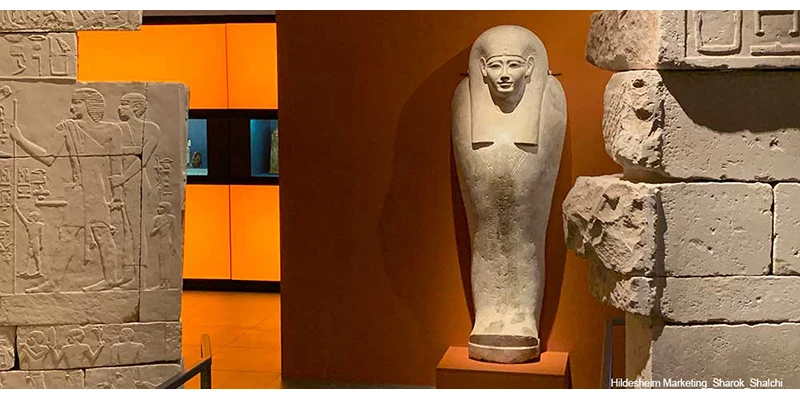
The Roemer and Pelizaeus Museum houses one of Germany's finest collections of ancient Egyptian artifacts, including mummies, sarcophagi, daily life objects, and the life-sized statue of the architect Hemiunu, providing insights into ancient civilizations. The museum also features significant collections of ancient Peruvian ceramics, Chinese porcelain (recognized as one of Europe's most significant collections), regional archaeological finds, natural history, and ethnology exhibits. The Egyptian collection ranks among Europe's most important, while the diverse exhibits offer visitors a comprehensive journey through world cultures and historical periods from prehistoric times to the modern era.
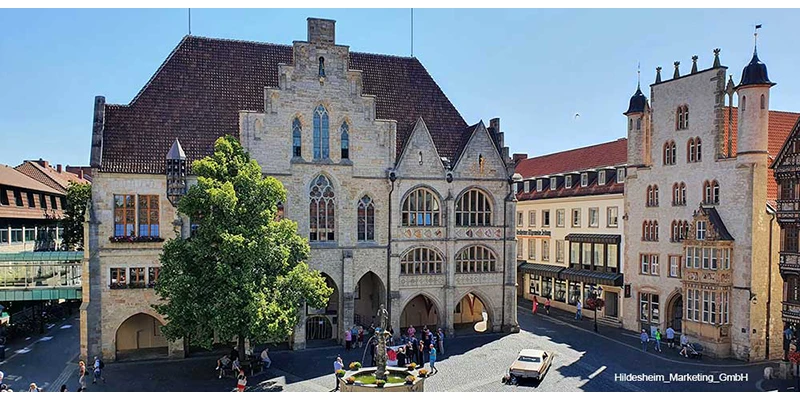
The City Hall (Rathaus) represents 19th-century civic architecture and houses municipal government offices while serving as a symbol of local governance and civic pride. The neo-Gothic building's architectural style reflects the period's romantic revival of medieval forms, contrasting with but complementing the authentic medieval structures nearby. Visitors can admire the exterior architecture and sometimes access public areas that display local historical information and civic art, demonstrating how different architectural periods coexist in Hildesheim's urban landscape.
Medieval Fortifications
Medieval City Wall Remnants remain visible throughout the historic center, particularly along Süsternstraße where a well-preserved round tower demonstrates the city's defensive architecture. These remnants provide tangible connections to Hildesheim's medieval past and help visitors understand the original layout and boundaries of the historic settlement. The surviving wall sections serve as outdoor historical exhibits that complement the indoor museum collections and church treasures.
The Kehrwieder Tower (Kehrwiederturm) stands as a remnant of the city's former fortifications and serves as a popular landmark in the city center. The name, meaning "return again," links to an old legend about a returned noble. The tower, with its distinctive architecture, serves as a starting point for walks along the old city wall, which has been transformed into the tree-lined walkway known as the Kehrwiederwall, allowing visitors to trace the medieval city boundaries while enjoying a pleasant urban walk.
Kalenberger Graben and Moat formed part of the medieval defensive ring and includes a moat and rampart that have been converted into a park and artificial lake. The site offers a waterside walking route and features the seasonal bloom of wild yellow tulips, creating a beautiful natural display. This transformation of medieval fortifications into recreational space demonstrates how historic cities can repurpose defensive structures for modern enjoyment while maintaining their historical significance.
Castles and Outlying Fortifications
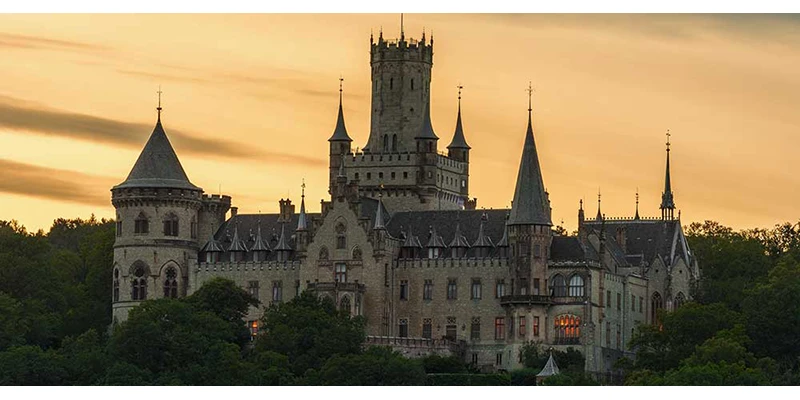
Marienburg Castle stands as a 14th-century fortification situated approximately 6 kilometers southeast of the center. This historic structure is set in semi-rural surroundings and remains open for visits. The castle represents medieval defensive architecture outside the immediate city center and provides visitors with insight into the broader regional fortification system that protected Hildesheim and its surrounding territories during the medieval period.
Steuerwald Castle offers another example of medieval fortification, located approximately 3 kilometers north of the market square. This early 14th-century fortification features a tower and Gothic chapel. Today the castle is used for events such as weddings and concerts, providing visitors with the opportunity to experience medieval architecture in a functional modern context while exploring the broader defensive network that protected medieval Hildesheim.
Gardens and Natural Areas
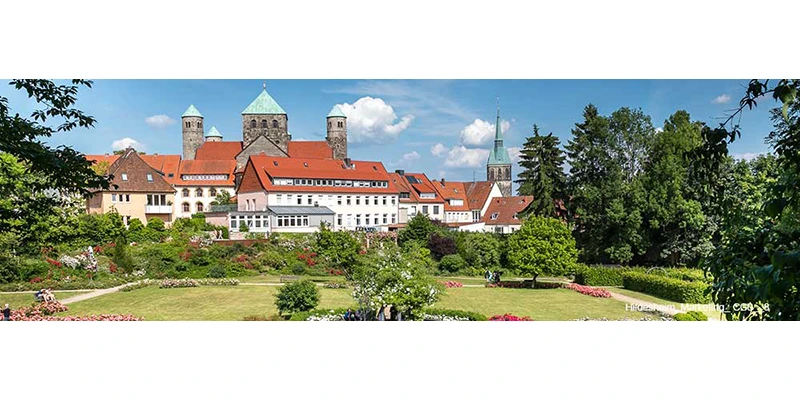
Magdalenen Garden (Magdalenengarten) stands as one of the oldest gardens in Lower Saxony, laid out in the early 18th century to the west of the historic center. This Baroque park features thousands of roses, herb squares, pavilions, a vineyard, rare wild yellow tulip blooms, baroque statues, and parts of the medieval city wall, along with a rose museum. Paths through the garden end at a statue of the Virgin Mary from 1959, behind which a meadow orchard extends. The peaceful garden space provides visitors with a natural retreat within the historic city, offering seasonal flowers, walking paths, and quiet areas for contemplation, with views of St. Michael's Church.
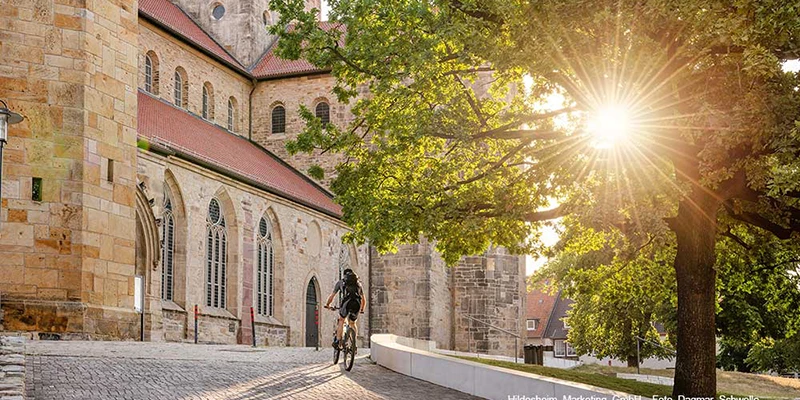
Hohnsensee Lake provides a natural escape and recreational area on the city's outskirts, offering outdoor activities such as swimming, boating, and walking along its waterside paths. The lakeside area serves as a green retreat from the urban center, providing a natural promenade and leisure opportunities. The area attracts both locals and visitors for relaxation, particularly during summer months, and offers a peaceful contrast to the city's urban environment with its green spaces and waterfront setting.
Hildesheimer Wald surrounds the city with extensive walking and biking trails, wildlife habitats, and nature-based exploration opportunities beyond urban limits. This natural preserve provides visitors with hiking opportunities, seasonal recreational activities, and the chance to experience the regional landscape and ecosystems that surround the historic city, making it ideal for outdoor enthusiasts and those seeking natural respite from urban sightseeing.
Religious Heritage and UNESCO Sites
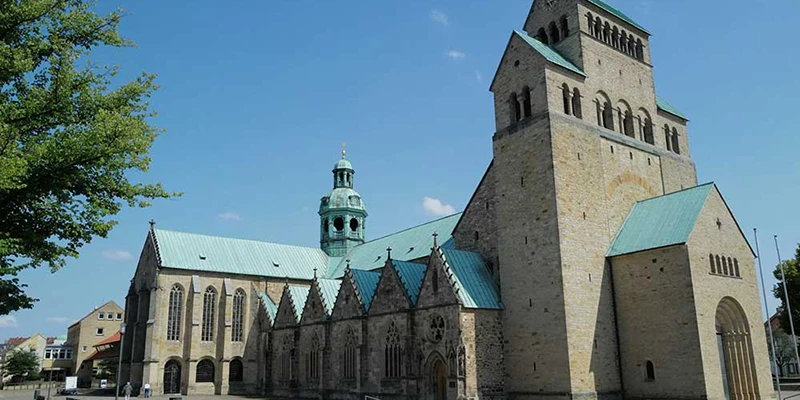
Hildesheim Cathedral (Mariendom) stands as a UNESCO World Heritage Site and important religious and architectural landmark dating back to the 9th century, with the current structure rebuilt after wartime destruction. The cathedral houses the famous thousand-year-old rose bush that grows against its eastern wall, creating a living symbol of the city's endurance. The interior contains the renowned Bernward Doors and Christ Column, masterpieces of medieval bronze casting from the 11th century that demonstrate the artistic sophistication of the Holy Roman Empire period. The cathedral's treasury displays an exceptional collection of medieval religious artifacts including manuscripts, liturgical vessels, and textiles, while the cloister courtyard contains the legendary Thousand-year Rose.
.webp)
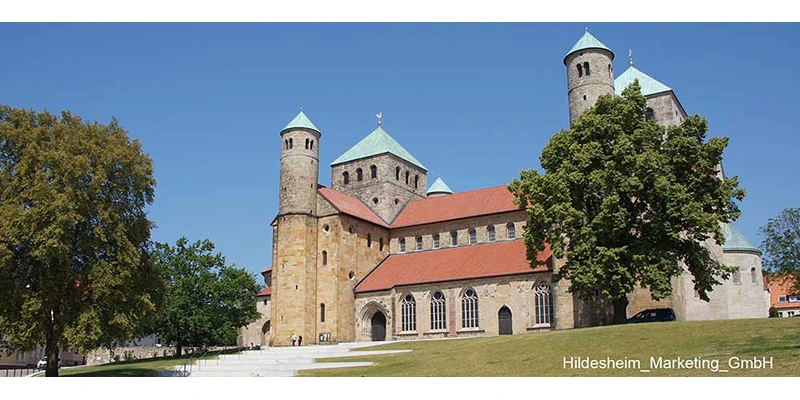
St. Michael's Church (Michaeliskirche) represents one of the most significant examples of Ottonian Romanesque architecture in Germany as a UNESCO World Heritage Site. Built in the early 11th century (around 1033), the church features distinctive twin towers, unique symmetrical design, and contains remarkable medieval art including a painted wooden ceiling from the 13th century depicting the Tree of Jesse and the genealogy of Christ. Although heavily damaged during the war, the church was reconstructed preserving its original layout and aesthetic. Its elevated position offers views of the surrounding area, and its architectural harmony and historical importance as a center of medieval learning make it essential for visitors interested in early Germanic Christian culture.
St. Godehard Church demonstrates the architectural transition from early to high medieval church construction with its solid stone walls and rounded arches. This Romanesque church, built in the 12th century, survived World War II largely intact. The church interior features original medieval architecture, preserved interior artworks, medieval frescoes, and carved capitals that illustrate biblical scenes and decorative motifs typical of the period. Its peaceful atmosphere and well-preserved architectural details complement the larger cathedral and St. Michael's Church, showing the depth of Hildesheim's religious architectural heritage.
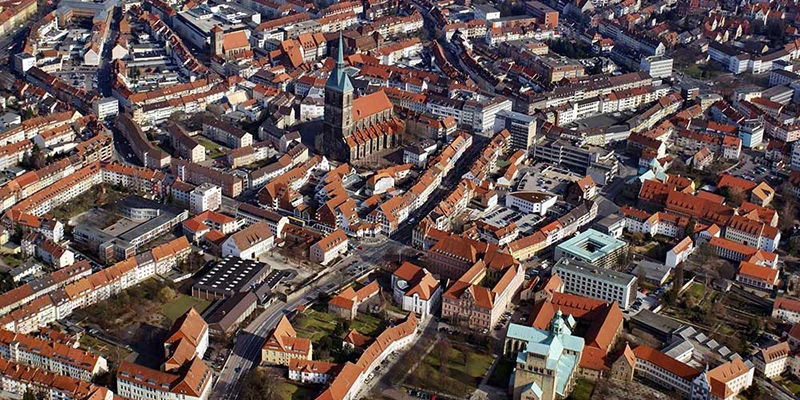
St. Andreas Church (Andreaskirche) features the tallest church tower in Lower Saxony at 114.5 meters, accessible for panoramic views over the city and surrounding countryside. Located near the old market area, visitors can climb its 364 steps to reach a viewing platform that provides spectacular views of the Hildesheim skyline and landscape. The Gothic church features impressive stained glass windows and serves as an example of the city's continued religious architectural development beyond the Romanesque period, with its prominent tower serving as a landmark visible from various points in the historic center.
The Cathedral Museum houses the cathedral's extensive treasure collection including medieval manuscripts, liturgical objects, textiles, and religious artwork that spans centuries of Christian artistic development. The museum provides detailed context for understanding the religious and cultural significance of Hildesheim's UNESCO heritage sites through carefully curated exhibits and educational materials. Visitors gain deeper appreciation for medieval religious art and the role of the church in preserving cultural heritage through changing historical periods.
The Thousand-Year-Old Rose grows beside the cathedral apse and is reputed to be centuries old, famously regrowing shortly after wartime damage. The rose symbolizes resilience and continuity, representing Hildesheim's ability to recover and flourish after destruction. This living landmark connects visitors to the city's legendary founding story and serves as a powerful symbol of endurance through historical challenges.
Transportation and Access
The Railway Station Area serves as the gateway to Hildesheim and connects directly to the pedestrian zone, providing convenient access to the historic center for visitors arriving by train. The station area features modern amenities including shops, restaurants, and services while maintaining clear pedestrian connections to the old town. This transportation hub demonstrates how historic cities can successfully integrate modern infrastructure while preserving their cultural heritage and maintaining visitor-friendly access to historical attractions.
Conclusion
Hildesheim offers visitors a remarkable concentration of historical and cultural attractions within a compact, walkable area. The city's UNESCO World Heritage churches, reconstructed medieval market square, and well-preserved examples of different architectural periods create a comprehensive portrait of German urban development from the early Middle Ages to the present day. The successful integration of medieval heritage with modern amenities, combined with the city's manageable size and pedestrian-friendly layout, makes Hildesheim an ideal destination for visitors seeking to understand the evolution of German culture and architecture. Whether exploring the ancient churches, strolling through medieval streets, or relaxing in baroque gardens, visitors will find Hildesheim provides authentic historical experiences while offering the comfort and convenience expected by modern travelers.