Leipzig
Leipzig stands as one of Germany's most culturally significant cities, a place where music, history, and revolution converge to create an unforgettable destination. Known as the "City of Music" and birthplace of the Peaceful Revolution that led to German reunification, Leipzig offers visitors a rich tapestry of experiences from world-class cultural institutions to vibrant neighborhoods and scenic green spaces.
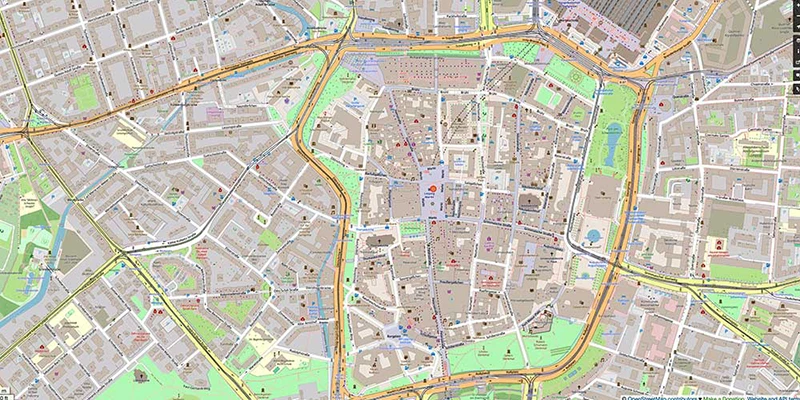
This interactive Google My Map shows locations and hotels with information that can be displayed by clicking on the symbols. It has sidebar index and displays best in full-frame by clicking the box in top-right. The map can be used on your phone or tablet when visiting a city, showing you where to go and describing the sights. You are welcome to make a copy as described here.
The Official Tourist Information website has a large amount of information about the city and surroundings, including sights, accomodations, dining, tours, scenic routes, free brochures, maps and more.
2up.webp)
Historic Heart: Marktplatz and Old Town
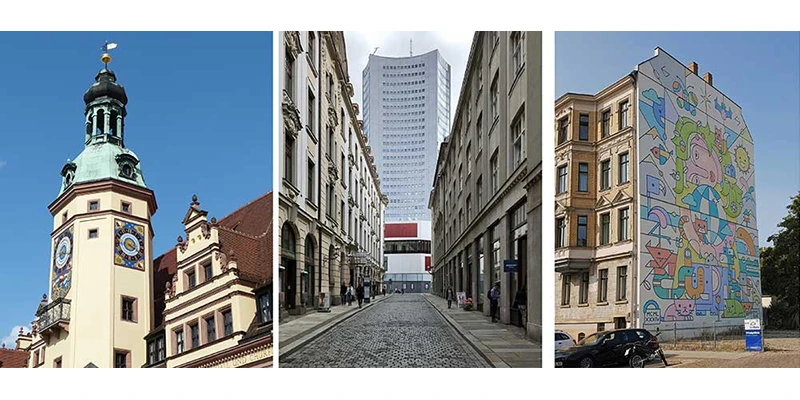
The magnificent Marktplatz forms the historic core of Leipzig, dominated by the stunning Old Town Hall (Altes Rathaus), a Renaissance masterpiece that houses the Museum of City History. This 1556 building features an asymmetrical facade with distinctive tower and Baroque gable, offering visitors the chance to tour historical rooms, view artifacts, and climb the tower for panoramic city views. As one of Germany's finest Renaissance town halls, it provides deep insights into Leipzig's civic history and traditional design.
Adjacent to the Marktplatz lies the charming Naschmarkt, a historic cobblestone square featuring the Old Stock Exchange (Alte Börse), a beautiful Baroque building from 1678 that once served as a meeting place for merchants and now hosts cultural events. The square also houses the Alte Waage, a 16th-century Renaissance weigh house that served as the city's official weighing station for merchant goods. This distinctive building now contains shops and cultural venues, providing insight into Leipzig's rich trading heritage.
The Old Stock Exchange represents Leipzig's historic importance as a trading center, with its elegant Baroque architecture creating an atmospheric setting for concerts and cultural events. Nearby, visitors can explore Specks Hof, a stunning Art Nouveau passage featuring beautiful architecture and housing various shops and cafes. This elegant arcade exemplifies Leipzig's tradition of commercial passages and offers excellent shopping and sightseeing opportunities.
Shopping and Commercial Districts
Grimmaische Strasse serves as a major pedestrian shopping street in the city center, lined with numerous shops and boutiques. This bustling zone has served students and scholars for centuries and remains a primary destination for retail therapy. Petersstrasse runs from Augustusplatz to Wilhelm-Leuschner-Platz as another key shopping thoroughfare, featuring diverse retail stores, cafes, and historical buildings.
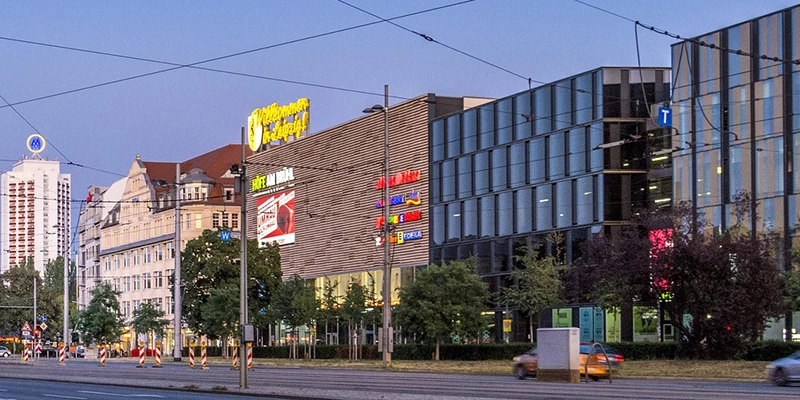
The modern Höfe am Brühl shopping center integrates contemporary design with preserved elements of old buildings on the historically significant Brühl street, once known for its fur trade. Petersbogen, located near Peterskirche, offers a modern shopping arcade with covered passages, shops, and restaurants, combining retail convenience with historic sightseeing.
Hauptbahnhof, one of Europe's largest and most impressive railway stations, functions as both a major transport hub and extensive shopping destination. The Promenaden Hauptbahnhof shopping mall within the station provides a wide variety of stores and restaurants, offering modern retail experiences within historic railway architecture.
.webp)
Barfußgässchen stands as Leipzig's most famous dining and nightlife destination, a historic pedestrian alley connecting major shopping areas and featuring numerous pubs, restaurants, and cafes. This narrow street represents the center of Leipzig's nightlife and offers authentic urban charm in a historical setting.
Fleischergasse provides another excellent dining destination, a narrow historic street filled with diverse restaurants and bars that showcase Leipzig's culinary scene. Karl-Liebknecht-Strasse in the southern part of the city offers vibrant dining and nightlife with diverse international restaurants, bars, and cafes popular with both locals and visitors.
Salzgässchen, a narrow historical street, maintains a lively atmosphere with numerous restaurants known for diverse dining options and historical charm. Peterssteinweg serves as a major street in the southern city center with restaurants, bars, and small shops, illustrating Leipzig's urban growth and providing popular spots for evening entertainment.
2up.webp)
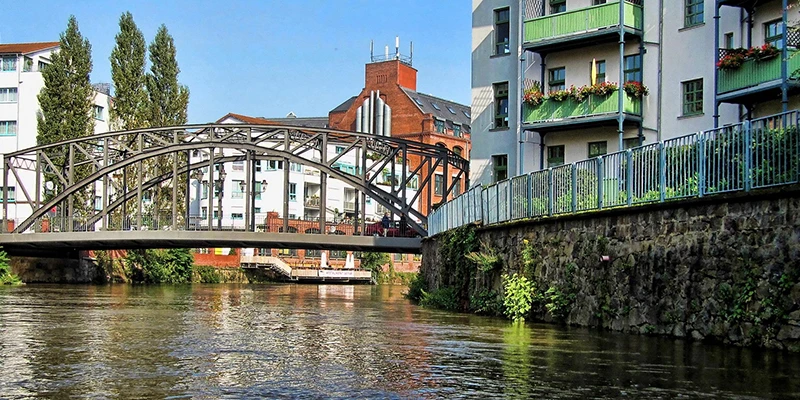
The Plagwitz district represents Leipzig's most successful example of urban transformation, a former industrial area that has evolved into a creative and alternative neighborhood. This trendy area features art galleries, independent cafes, unique shops, and demonstrates innovative urban renewal. The Plagwitz Canal Walk along the Karl Heine Canal offers scenic walking and cycling paths through this revitalized district, providing tranquil routes that blend natural scenery with industrial heritage.
Stadthafen Leipzig, a small urban harbor on the Karl Heine Canal, offers boat rentals and tours, providing unique ways to explore the city's waterways. This harbor serves as a recreational hub for water activities and represents Leipzig's creative approach to utilizing its industrial heritage.
The Old Slaughterhouse exemplifies adaptive reuse, transforming a former industrial complex into a cultural and event venue hosting concerts, exhibitions, and performances in atmospheric historic buildings. This venue illustrates Leipzig's approach to urban renewal and creative reuse of industrial architecture.
Cultural Quarter: Augustusplatz and Museums
Augustusplatz, Leipzig's largest square, serves as the city's major cultural hub. This expansive space hosts the Opera House, Gewandhaus concert hall, and Leipzig University buildings, along with regular events, markets, and festivals throughout the year. The square connects to major pedestrian zones and provides access to numerous cultural landmarks.
The Grassi Museum complex houses three specialized museums in an impressive Art Deco building with beautiful courtyards. The museums focus on applied arts, ethnology, and musical instruments, offering comprehensive cultural education. The German Museum of Books and Writing, the world's oldest museum dedicated to the history of books and writing, showcases the evolution of communication from clay tablets to modern media, making it essential for book lovers and scholars interested in Germany's literary heritage.
The Egyptian Museum at Leipzig University houses one of Germany's most important collections of ancient Egyptian artifacts, spanning 4,000 years of history with mummies, sarcophagi, and sculptures. The German National Library, one of Germany's two national libraries, collects and preserves German-language publications in a modern building housing millions of books, periodicals, and digital resources.
.webp)
Musical Legacy: Churches and Concert Halls
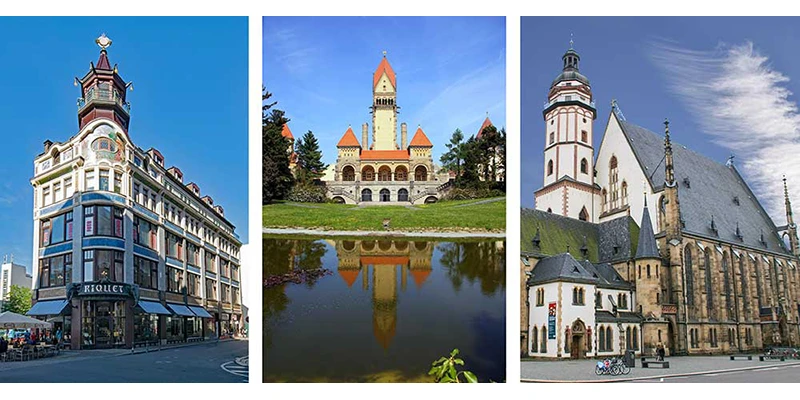
Leipzig's reputation as a musical city centers around St. Thomas Church (Thomaskirche), the most significant landmark for music lovers worldwide. This Gothic church served as Johann Sebastian Bach's workplace for 27 years and remains his final resting place. The church continues to host the world-renowned St. Thomas Boys' Choir and regular concerts, making it a pilgrimage site for classical music enthusiasts. The adjacent Bach Archive and Bach Museum provide comprehensive documentation of the composer's life and works through original manuscripts, historical instruments, and interactive displays.
The modern Gewandhaus stands as Leipzig's premier concert hall, home to the world-renowned Gewandhaus Orchestra. This contemporary building on Augustusplatz features exceptional acoustics and serves as a key cultural destination for classical music performances. The Opera House (Oper Leipzig), one of Europe's oldest opera houses, presents classical operas, ballets, and concerts in a modern building that has been a major cultural venue for centuries.
St. Nicholas Church (Nikolaikirche) holds special significance as the focal point of the Peaceful Revolution of 1989. This historic church, with its Romanesque origins and Gothic and Classical additions, hosted the weekly prayer meetings that catalyzed the Monday Demonstrations leading to German reunification. The church represents a powerful symbol of peaceful political change and remains essential for understanding Leipzig's role in modern German history.
Parks and Natural Areas
Clara-Zetkin Park covers 125 hectares along the Elster River, providing Leipzig's most important green space for both locals and tourists. Named after a socialist activist, this expansive park offers peaceful escape from urban life with recreational facilities, picnic areas, and cycling paths. The park includes the beautiful Rose Garden, featuring extensive collections of rose varieties and formal landscaping, with optimal viewing from June through September.
Rosental Park, a large historic urban park north of the city center, features wide meadows, magnificent old trees, and a small zoo. This traditional park provides excellent opportunities for outdoor recreation, relaxation, and wildlife observation within the urban environment. Richard-Wagner-Hain, located on the Elster riverbank and dedicated to the composer born in Leipzig, offers peaceful walking paths and historical monuments combining culture with recreation.
Auwald represents one of Central Europe's largest intact alluvial forests, serving as a protected nature reserve with diverse ecosystems. This vast urban forest provides numerous walking and cycling trails, allowing visitors to experience pristine woodland and observe wildlife just minutes from the city center.
Unique Attractions and Viewpoints
The Panometer Leipzig, housed in a former gasometer, features massive 360-degree panoramic paintings by artist Yadegar Asisi, providing immersive experiences of historical events and natural wonders. This visually stunning attraction demonstrates Leipzig's innovative cultural scene and offers unique artistic experiences.
For panoramic city views, the City-Hochhaus Leipzig, a 142-meter socialist-era skyscraper from 1972, provides spectacular vistas from its observation deck on the upper floors. The Panorama Tower, Leipzig's tallest building, offers viewing platforms on the 31st floor with comprehensive views of the entire city and surrounding areas.
Fockeberg Hill, a man-made elevation created from World War II bombing debris, reaches 153 meters and provides panoramic views of southern Leipzig. This unusual attraction combines historical significance with recreational opportunities and serves as a popular hiking destination.
3up.webp)
Schillerhaus, the oldest preserved house in Leipzig, served as home to poet Friedrich Schiller and now operates as a museum dedicated to his life and works. This important literary landmark attracts visitors interested in German poetry and cultural history. The Schumann House museum and memorial honors composers Robert and Clara Schumann in their former residence, providing insights into their lives and musical legacy.
Gohliser Schlösschen, a small Rococo palace in the Gohlis district, exemplifies 18th-century aristocratic architecture and hosts cultural events including concerts and historical tours. This beautiful building provides insights into aristocratic lifestyle and architectural excellence.
The Bayrischer Bahnhof Area features Germany's oldest preserved train station building from 1842, combining railway heritage with modern urban development including parks and restaurants. This historical district demonstrates successful transformation of industrial heritage into contemporary urban amenities.
Various streets like Dittrichring and Tröndlinring form parts of Leipzig's inner ring road system, connecting different districts and featuring diverse architectural styles from historic to modern. These thoroughfares provide excellent opportunities to observe the city's architectural variety and urban development patterns.
Leipzig's compact size and excellent public transportation make it easy to experience multiple districts and attractions in a single visit. The city's unique combination of musical heritage, revolutionary history, cultural innovation, and successful urban renewal creates an engaging destination that appeals to diverse interests. From Bach's musical legacy to the Peaceful Revolution, from historic trade routes to modern cultural venues, Leipzig offers visitors authentic experiences that illuminate both German history and contemporary European urban development.
Whether you're drawn by classical music, historical significance, alternative culture, or simply the charm of a beautifully preserved German city, Leipzig provides memorable experiences that showcase the best of Saxon culture and German heritage. The city's ability to honor its past while embracing innovation makes it a compelling destination for travelers seeking both cultural enrichment and authentic urban experiences.
Revolution and Remembrance: Historical Sites
The Runde Ecke Memorial Museum, located in the former Stasi headquarters, documents the history of East Germany's secret police and the civic resistance that led to the Peaceful Revolution. This significant historic site provides a powerful and sobering examination of the country's divided past through original offices, holding cells, and extensive documentation of surveillance methods.
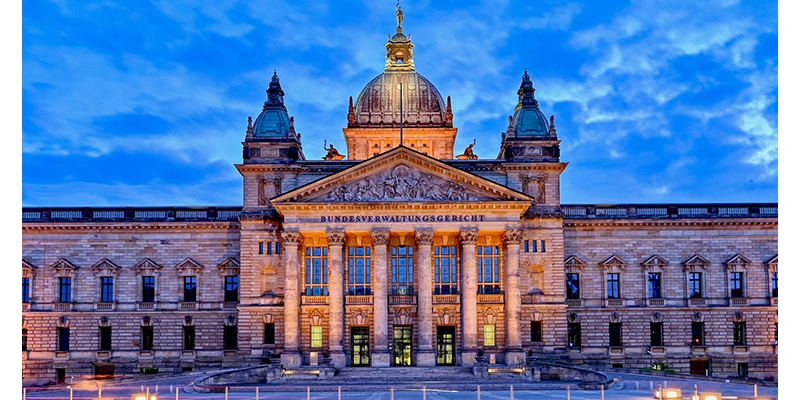
Burghof Leipzig offers archaeological insights into the city's medieval origins, with excavated foundations revealing defensive structures and residential buildings from the 10th to 12th centuries. This preserved site helps visitors understand Leipzig's development as a fortified settlement. The Universitätskirche St. Pauli represents a complex piece of architectural history—the original church was controversially demolished in 1968 and has been symbolically rebuilt as the university's auditorium, serving as a reminder of architectural debates and historical memory.