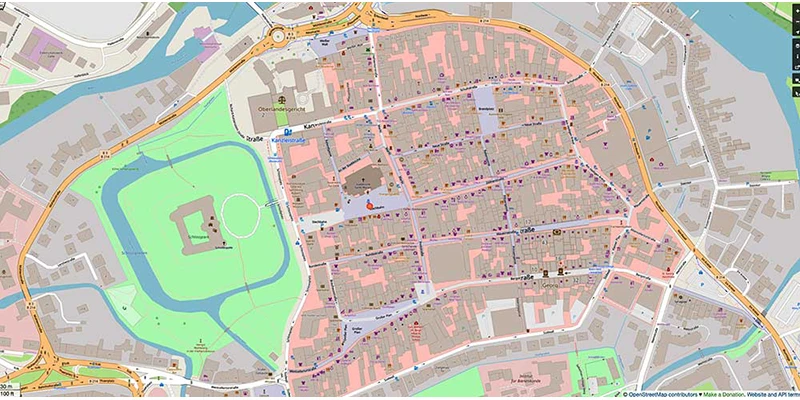
Celle
Another Medieval German Gem
Celle is one of Lower Saxony's most remarkable preserved medieval towns, where over 400 half-timbered houses create an enchanting streetscape that has captivated visitors for centuries. This historic settlement offers an exceptional blend of architectural heritage, cultural attractions, and natural beauty, making it an ideal destination for travelers seeking authentic German medieval atmosphere combined with modern amenities and cultural sophistication.
The Official Tourist Information website has a large amount of information about the city and surroundings, including sights, accommodations, dining, tours, scenic routes, free borchures, maps and more.
This interactive Google My Map shows locations with information that can be displayed by clicking on the symbols. It has sidebar index and displays best in full-frame by clicking the box in top-right. The map can be used on your phone or tablet when visiting a city, showing you where to go and describing the sights. You are welcome to make a copy, as described here. Celle can be visited as a daytrip from Hannover, 31-minutes by train.
Historic Heart: Medieval Streets and Timber-Framed Treasures
2up.webp)
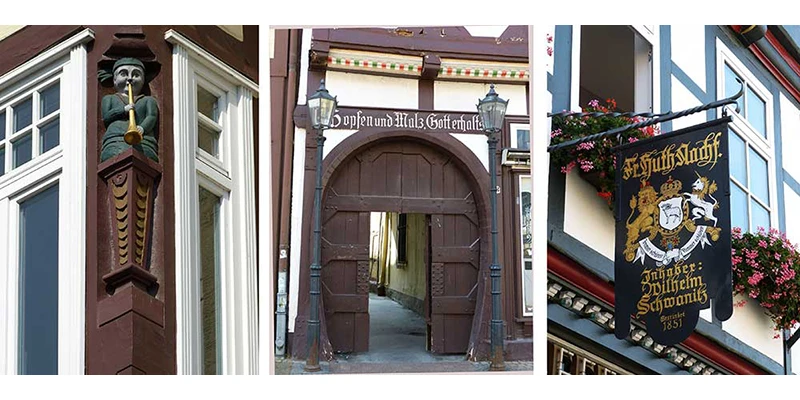
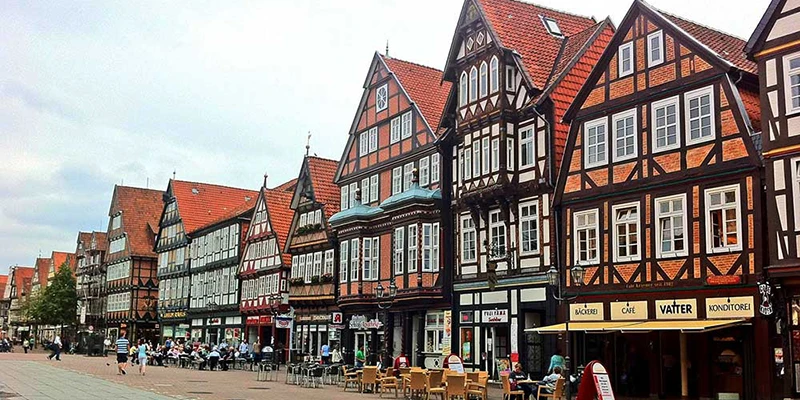
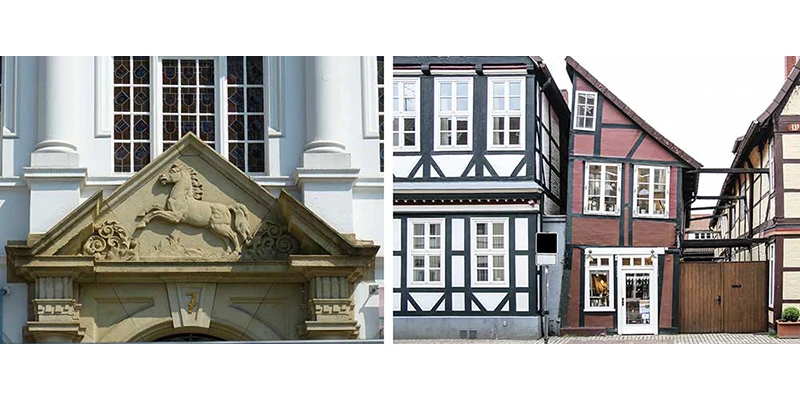
Celle Old Town forms the centerpiece of any visit, encompassing a vast pedestrian zone where narrow cobblestone streets wind between sixteenth to nineteenth-century half-timbered houses. This medieval district represents one of Germany's most picturesque town centers, with its carefully preserved buildings housing boutiques, specialty shops, cafes, restaurants, and cultural sites that invite leisurely exploration.
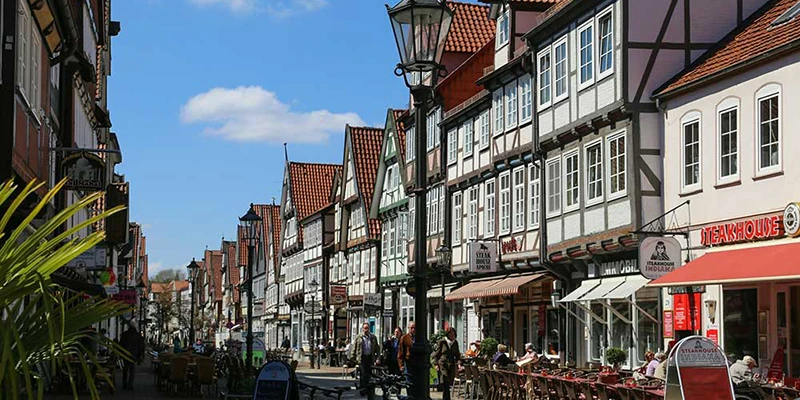
Marktplatz serves as the beating heart of this historic district, where the central market square brings together the community around the historic Old Town Hall. This gathering point remains surrounded by beautiful timber-framed buildings that now accommodate restaurants and shops, maintaining the square's traditional role as the town's primary social hub.
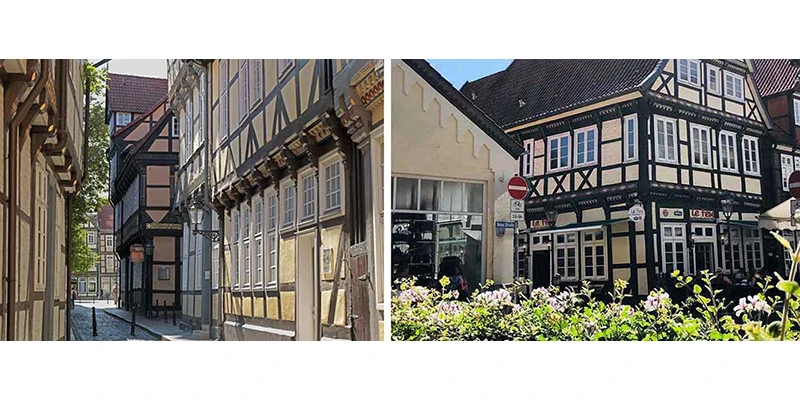
Zöllnerstrasse claims distinction as one of Celle's most photographed streets, where beautifully preserved half-timbered houses display intricate wooden facades and colorful decorations that epitomize medieval architecture. The street houses specialty shops, bakeries, and traditional businesses that represent the quintessential image of this historic town.
Hoppener House dominates the streetscape as Celle's most elaborate timber-framed structure, dating from the sixteenth century. This architectural masterpiece appears as six stories stacked upon one another, featuring impressive angles, pillars, massive carvings, and intricate decorations depicting creatures, gods, animals, reptiles, humans, and mythical beings in vibrant colors. The building represents the pinnacle of Renaissance craftsmanship and illustrates Celle's prosperous merchant heritage.
Charming Streets and Hidden Corners
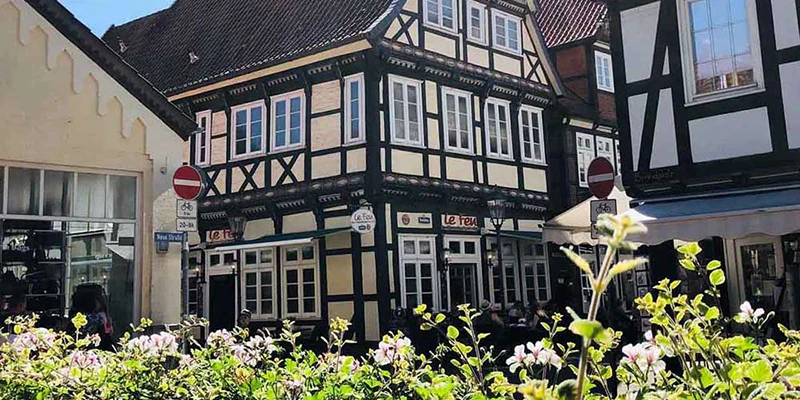
Poststrasse creates a perfect blend of commerce and historic atmosphere as a charming pedestrian shopping street lined with boutiques, specialty shops, retail stores, cafes, and restaurants housed in historic half-timbered buildings. This thoroughfare connects different parts of the town center while maintaining its medieval character.
Schuhstrasse serves as another pedestrian shopping street in the old town's heart, connecting various districts through well-preserved medieval architecture with authentic cobblestone paving and timber-framed buildings. The street reflects Celle's ongoing commercial life while preserving its historic atmosphere.
2up.webp)
Kalandgasse offers visitors an authentic glimpse into medieval urban planning through its narrow lane lined with traditional half-timbered houses and artisan shops. This well-preserved street provides an intimate atmosphere that exemplifies medieval street design.
Secret Courtyards hide between timber-framed houses throughout the old town, often decorated with flowers and quietly accessible for exploration. These small secluded spaces provide glimpses into local residential life and offer peaceful retreats from the busier commercial streets.
Royal Residence and Cultural Institutions
Celle Castle anchors the town's royal heritage as a medieval fortress dating from the late thirteenth century. This quadrangular structure combines Renaissance and Baroque architecture around thirteenth-century foundations, surrounded by a protective moat. The castle houses the Residenzmuseum, where visitors can explore former ducal state apartments, period furnishings, weaponry, clothing exhibits, and ornate state rooms that detail the region's aristocratic history.
Palace Theatre within the castle complex holds the distinction of being Europe's oldest Baroque theater still in active use. This eighteenth-century venue features original architecture, stage design, and seating that occasionally hosts special cultural performances and theatrical events, accessible through guided castle tours.
.webp)
French Garden extends south of the castle as a baroque court garden originally designed by French landscape artists in the seventeenth century. Later transformed into an English-style park, the garden features manicured lawns, symmetric paths, a walkway flanked by towering lime trees, colorful flowerbeds, meadows, a central fountain, water features, and various sculptures that provide peaceful green space for walking and relaxation.
Museums and Cultural Attractions
Bomann Museum stands as one of Lower Saxony's most important cultural institutions, located opposite Celle Castle. The museum displays artifacts, documents, and exhibits covering the history of Celle, Lower Saxony, and Hannover, including regional history, folk culture, traditional crafts, town artifacts, interactive displays, a replica nineteenth-century farmhouse, extensive textile collections, and regular special exhibitions.
Kunstmuseum Celle presents an innovative approach to art display in a unique glass building near the town center. Advertised as the world's first twenty-four-hour museum, it features Robert Simon's collection with modern paintings, contemporary sculptures, light installations, and works from the twentieth and twenty-first centuries, including Otto Piene's famous light room with rotating exhibitions and evening illuminations visible from outside.
German Museum of Embroidery Pattern offers specialized insight into regional craftsmanship through its preservation and display of embroidery patterns, textiles, and décor from different historical eras.
Religious and Historic Architecture
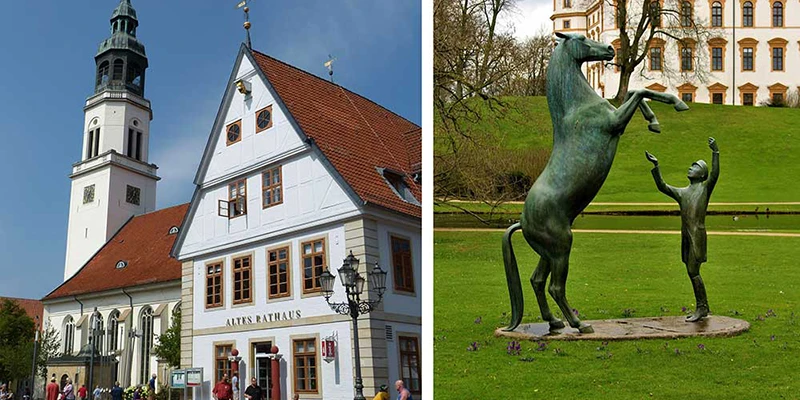
Stadtkirche St Marien dominates the skyline as a fourteenth-century Protestant-Lutheran brick Gothic town church. This seven-hundred-year-old structure features North German brick Gothic architecture, Gothic pillars, impressive Renaissance to Baroque period art, an ornate pulpit designed by Danish artists, baroque altar, and ducal crypt housing members of the House of Welf. The bell tower offers panoramic views over the old town from its fifty-two-meter height, complemented by daily trumpet performances and regular concerts.
Celle Synagogue represents the oldest synagogue in Northern Germany, built in the eighteenth century with half-timbered construction. Partially destroyed during Kristallnacht and later restored, the building now houses historical displays, guided tours, and an adjacent museum exhibiting Jewish history and Jewish life in Celle.
Das Alte Rathaus stands prominently on the main market square as the historic Gothic old town hall, dating from the thirteenth century and first documented in the fourteenth century. The building features distinctive stepped gables, medieval characteristics, Weser Renaissance style architecture, and rich decorative elements, having undergone expansion in the fourteenth and sixteenth centuries with classical style rebuilding following an eighteenth-century fire.
2up.webp)
Natural Spaces and Outdoor Activities
Aller River Waterfront creates a scenic riverside environment along the Aller River, featuring a waterfront promenade with walking and cycling paths, benches, green spaces, and views of bridges, boats, and surrounding landscape. The area provides vantage points for photographing the old town and castle while offering opportunities for leisurely outdoor activities.
Südheide Nature Park extends just north of Celle as a protected forest and heath landscape covering thirteen hundred acres of heathland shaped by centuries of ice, gravel, and sand. The park features hiking trails, a beekeeping center, honey production facilities, and unique purple heather blooms during late summer that create spectacular natural displays.
Obere Allerniederung encompasses the Upper Aller Lowlands nature reserve bordering Celle, featuring river landscapes, low flat lands, reed beds, pastures, meadows, and grasslands supporting unique bird and reptile species. Access occurs through boat tours or approved walking pathways that allow wildlife observation.
Stadtpark provides public green space within the town, offering recreational facilities, walking trails, playgrounds, shaded seating areas, and peaceful surroundings for relaxation and outdoor activities, complementing the more formal French Garden.
Modern Districts and Specialized Attractions
Neustadt District lies east of the old town as an adjoining neighborhood showcasing early twentieth-century Bauhaus influences through residential buildings, tree-shaded streets, modern shops, restaurants, and a quieter local atmosphere that provides contrast to the historic old town's intensity.
Filmtier Park operates as a family-friendly animal park featuring hundreds of trained animals across seventy species used in television and film productions. The facility offers animal demonstrations, opportunities to interact with animals including tiger cubs, bouncy castle activities, and obstacle course challenges.
Celler Badeland serves as a public aquatic and wellness center with indoor and outdoor swimming pools, slides, saunas, leisure areas, and family facilities that attract families seeking recreational activities and relaxation.
Culinary and Shopping Experiences
Alter Provisor Shop specializes in selling the local herbal liqueur Alter Provisor, based on a recipe by pharmacist Otto Kaiser from the early twentieth century. Visitors can purchase and taste this amber-colored traditional spirit containing fifty percent alcohol and ten percent sugar, representing local brewing traditions.
Löwen Apotheke maintains its historic character as a pharmacy established around the sixteenth century on Stechbahn. The building features original shop fixtures, displays of old medicinal vessels, and period interior design, now housing a café that preserves its pharmaceutical heritage.
Planning Your Visit
Celle rewards visitors who appreciate medieval architecture, cultural depth, and natural beauty within a manageable town setting. The extensive Pedestrian Zone encompassing the car-free old town center encourages comfortable walking access to all major attractions within the medieval core, while the Nordwall Promenade along the old city wall provides tree-lined walking routes with historic views.
The town's compact size allows visitors to experience its full range of attractions within a few days, from medieval streets and royal residences to nature reserves and cultural institutions. Celle successfully preserves its historical character while providing modern amenities and diverse attractions that satisfy various travel interests, making it an exceptional destination for experiencing authentic German medieval heritage in a living, breathing community context.