Dresden
.webp)
A Visitor's Guide
Dresden, the capital of Saxony, stands as one of Germany's most historically significant and culturally rich cities. Located along the Elbe River, this baroque masterpiece combines reconstructed historical architecture with vibrant modern districts, world-class museums, and extensive green spaces. The city's careful reconstruction following World War II has restored its status as a major European cultural center, offering visitors an exceptional blend of art, history, architecture, and contemporary urban life.
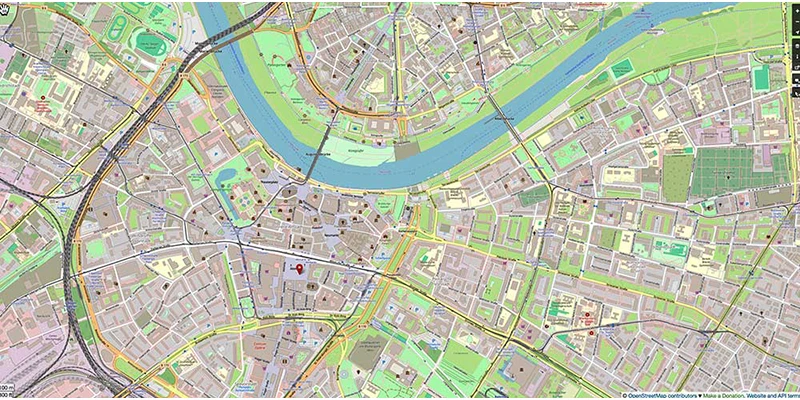
This interactive Google My Map shows locations and hotels with information that can be displayed by clicking on the symbols. It has sidebar index and displays best in full-frame by clicking the box in top-right. The map can be used on your phone or tablet when visiting a city, showing you where to go and describing the sights. You are welcome to make a copy as described here.
.webp)
Historic Old Town and Royal Heritage
The heart of Dresden's appeal lies in its magnificent Old Town, the historic baroque city center south of the Elbe River. This area contains the city's major palaces, churches, and museums within pedestrian zones and cobblestone streets, making most attractions accessible on foot. The reconstruction following World War II has carefully restored the area's architectural heritage while incorporating modern amenities.
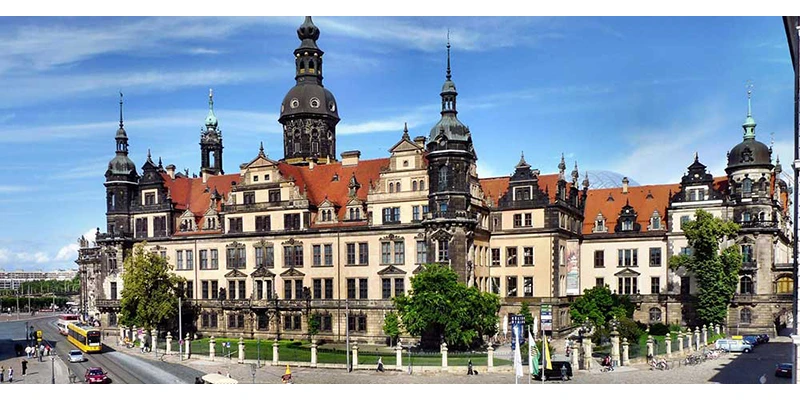
Dresden Castle serves as the centerpiece of royal Dresden, having housed Saxon rulers from 1485 to 1918. This Renaissance city palace now accommodates several world-class museums, including the Historic Green Vault, New Green Vault, Dresden Armoury, Turkish Chamber, and Coin Cabinet. The restored state apartments feature audience chambers and bedrooms furnished as they appeared three centuries ago, providing insight into royal court life.
.webp)
The Historic Green Vault represents one of Europe's most magnificent treasure collections, containing over 3,000 precious items including gold, silver, and ivory works displayed in ornate period rooms that recreate the original baroque presentation style. The New Green Vault focuses on individual masterpieces in modern museum settings, particularly featuring works by goldsmith Johann Melchior Dinglinger. Highlights include Dinglinger's Court of Delhi miniature tableaux with hundreds of precious figures, the Dresden Green Diamond, and elaborate ivory carvings demonstrating the highest levels of European craftsmanship. Both vaults require timed entry tickets with advance booking strongly recommended due to limited daily capacity.
3up.webp)
Dresden Cathedral dominates the skyline as Saxony's largest church and the Catholic Court Church. Built between 1739 and 1751, the baroque architecture features an ornate nave covering 4,800 square meters. The cathedral serves as the royal burial site for Saxony's rulers, housing forty-nine members of the Wettin family including Augustus I and Augustus III. Entry is free, making it accessible to all visitors.
The Dresden Frauenkirche stands as both a masterpiece of baroque Lutheran architecture and a powerful symbol of the city's post-war reconstruction. Originally completed in 1743, destroyed during World War II, and meticulously rebuilt from 1994 to 2005, the church features a distinctive ornate dome and interior resembling a theater with galleries. Visitors can climb to the dome's viewing platform at 91 meters high for panoramic views of the city and Elbe River.
.webp)
Neumarkt Square serves as the historic central marketplace and Old Town hub, with the Frauenkirche as its centerpiece. The large pedestrian square is surrounded by reconstructed baroque townhouses, cafes, restaurants, and shops, creating an atmospheric gathering place that hosts regular markets and events.
.webp)
Elbe River and Waterfront Areas
The Elbe River defines Dresden's geography and provides some of its most scenic experiences. Brühl's Terrace, known as the Balcony of Europe, extends 500 meters as an elevated promenade along the river bank, offering panoramic views across to New Town and the surrounding cityscape. Lined with gardens, sculptures, historic buildings like the Albertinum museum, and monuments, it provides an ideal walking route and sunset viewing location.
Augustus Bridge connects the Old Town with the Neustadt district while providing views of both riverbanks and waterfront areas. This historic stone bridge serves as an excellent starting point for exploring Dresden, with historic architecture visible from both sides.
The Elbe River Waterfront features walking and cycling paths, boat docks, historic bridges, and views of the city skyline and surrounding hills. The waterfront offers contrasting perspectives with the historic Old Town on one side and the modern New Town on the other. Paddle-wheel steamer cruises depart regularly during summer months from Terrassenufer Dock.
.webp)
Canaletto View near Loschwitz provides the same perspective captured by the famous Italian painter in his 18th-century Dresden paintings. This viewpoint offers an unobstructed panorama of the historic Old Town skyline including the Frauenkirche, Cathedral, and Dresden Castle silhouetted against the river. The location remains largely unchanged since Canaletto's time, allowing visitors to compare the modern cityscape with historical artistic representations.
The Blue Wonder (Loschwitz Bridge) spans the Elbe River between the Loschwitz and Blasewitz districts. This historic suspension bridge, constructed between 1891 and 1893 without central supports using innovative steel cable technology, earned its nickname from its distinctive blue-painted iron framework. Visitors can walk or cycle across the 280-meter span while enjoying panoramic views of the Elbe Valley, Dresden skyline, and surrounding hillsides.
.webp)
Neustadt District and Alternative Culture
Across the Elbe River, the Neustadt District offers a contrasting atmosphere to the baroque Old Town. Known for alternative culture, bars, street art, historic architecture, independent shops, and nightlife, this area provides dining and entertainment options along tree-lined streets.
Innere Neustadt represents the baroque quarter of New Town, featuring historic architecture, boutique shops, galleries, restaurants, and cafes within well-preserved eighteenth-century buildings. This creates an atmospheric shopping and cultural district with pedestrian-friendly streets.
The Golden Rider (Goldener Reiter) stands as a gilded equestrian monument of Augustus the Strong at Neustädter Markt. Created by French sculptor Jean Joseph Vinache between 1732 and 1734, the statue features the Saxon Elector and Polish King mounted on a rearing horse in classical heroic pose, cast in bronze and covered with gold leaf. This landmark symbolizes the power and ambition of one of Dresden's most influential rulers and serves as a popular meeting point at the entrance to the Hauptstraße pedestrian zone.
.webp)
Hauptstrasse functions as the main shopping street in New Town, featuring a wide pedestrian pathway flanked by retail establishments, restaurants, craft shops, jewelry stores, and toy shops. The street includes monuments, architecture, statues, and public art displays.
Aussere Neustadt represents the alternative district featuring independent shops, vintage stores, art galleries, alternative culture venues, street art, and nightlife with a creative atmosphere and shopping opportunities beyond mainstream retail.
Kunsthofpassage consists of five themed courtyards featuring artistic facades and installations by local artists, including the Courtyard of Animals with leaping monkeys and the Courtyard of Elements with musical drainpipes that create sounds when it rains.
.webp)
Parks and Green Spaces
Dresden provides extensive green spaces for recreation and relaxation. Great Garden covers two square kilometers as Dresden's largest public park, laid out in French Baroque style with tree-lined avenues, manicured lawns, flowerbeds, ponds, lakes, and leisure facilities. The park features baroque landscape design, the Summer Palace, botanical gardens, Dresden Zoo, and recreational facilities.
Palais im Großen Garten serves as an elegant baroque summer palace at the center of the Great Garden, featuring symmetrical architecture, ornate interior decorations, and formal gardens that exemplify 17th-century royal leisure culture. The palace hosts classical concerts, cultural events, and temporary art exhibitions while maintaining its historical function as a retreat from urban court life.
The Botanical Garden Dresden within Grosser Garten offers plant collections from various world regions, greenhouse displays, labeled plant species, and walking trails for botanical enthusiasts. The Rosengarten features various rose varieties, formal garden design, walking paths, and benches, providing a setting for enjoying seasonal blooms with educational botanical information.
Bürgerwiese serves as a large public park in the city center with open lawns, walking paths, playgrounds, and recreational areas, functioning as a green lung for the urban area with regular outdoor events and festivals.
Dresden Heath covers over 6,000 hectares on the northern outskirts, providing extensive hiking trails, cycling paths, and nature observation opportunities within easy reach of the city center. The heath encompasses diverse ecosystems including deciduous and coniferous forests, meadows, ponds, and streams supporting wildlife such as deer, wild boar, and numerous bird species.
.webp)
Shopping and Commercial Areas
Dresden offers diverse shopping experiences from historic markets to modern commercial centers. Altmarkt represents the oldest market square, serving as the main marketplace for over eight hundred years. Surrounded by historic and modern buildings including the Kreuzkirche and City Hall, it hosts markets, festivals, seasonal events, and public gatherings. The square features the Striezelmarkt Christmas market, operating since 1434 and considered the world's first Christmas market, with over 240 stalls selling traditional crafts, food, and stollen cake, attracting over 2.5 million visitors annually during December.
Prager Strasse functions as a modern wide pedestrian shopping boulevard stretching from the main train station toward the city center, connecting to the Altmarkt area. Lined with large department stores, shops, cafes, eateries, boutiques, hotels, and fountains, it represents Dresden's modern commercial center and serves as Dresden's Christmas mile during winter with extensive holiday decorations.
.webp)
Königstrasse provides a historic shopping street in the Neustadt district lined with boutiques, galleries, cafes, fashion stores, and specialty shops housed in restored 18th-century buildings, offering a shopping experience combining international brands with local retailers.
Pfunds Molkerei holds recognition as the world's most beautiful dairy shop according to the Guinness Book of Records. Established in 1879 by the Pfund brothers, this working delicatessen features elaborate neo-Renaissance ceramic tile decorations covering every surface in intricate patterns of blues, greens, and gold. The hand-painted Villeroy & Boch tiles depict pastoral scenes, floral motifs, and decorative borders creating an almost museum-like shopping environment while continuing to sell high-quality dairy products, regional specialties, wines, and gourmet foods.
Art Museums and Cultural Institutions
.webp)
Dresden's reputation as a cultural center stems largely from its exceptional museum collections housed in historic buildings. Zwinger Palace, a baroque complex built between 1710 and 1728, exemplifies Dresden's architectural grandeur with ornate pavilions, elaborate decorations, sculptures, fountains, courtyards, and formal gardens. The palace houses three major museums and features a carillon of forty Meissen porcelain bells.
The Old Masters Gallery within Zwinger Palace displays European art from the sixteenth to eighteenth centuries, including works by Rembrandt, Raphael, Vermeer, Rubens, and Canaletto. Approximately 750 paintings are on display from a collection initiated by Augustus III. The Porcelain Collection, also housed in Zwinger Palace, contains one of the world's largest porcelain collections, featuring seventeenth and eighteenth-century Chinese, Japanese, and Meissen pieces. The Animal Hall showcases hundreds of porcelain animals among approximately 2,000 pieces on display.
The Albertinum on Brühl's Terrace occupies a former Renaissance arsenal building and houses the New Masters Gallery with European paintings from the eighteenth century to World War II, including works by van Gogh, Monet, Klimt, and Munch. The museum also maintains an extensive sculpture collection spanning from classical antiquity to contemporary works.
.webp)
Theaterplatz creates a grand cultural square surrounded by the Semper Opera House, Zwinger Palace, and Catholic Court Church, featuring monuments and open spaces for public events. The Semperoper, Dresden's historic opera house, showcases neo-renaissance architecture with ornate interiors. Rebuilt after wartime destruction, it ranks among the world's most significant opera houses, hosting performances by the Saxon State Opera including opera, ballet, and classical concerts. Guided tours of the interior and stage are available.
The German Hygiene Museum offers an interactive approach to human biology and experience through seven themed rooms exploring aspects of human life, plus temporary exhibitions and a children's museum called World of the Senses designed for ages five to twelve with hands-on exhibits.
.webp)
Unique Attractions and Modern Innovations
Dresden features several distinctive attractions that set it apart from other European cities. Fürstenzug presents the world's largest porcelain mural, extending 102 meters along the exterior wall of the Stallhof. Created with over 23,000 Meissen porcelain tiles, the artwork depicts a mounted procession of Saxon rulers, showing the history of the Wettin dynasty from the twelfth to nineteenth centuries with historic figures in a parade scene including names, dates, and historical information.
The Volkswagen Transparent Factory offers a revolutionary approach to automotive manufacturing through floor-to-ceiling glass walls that make the complete assembly process of luxury electric vehicles visible from all angles. The facility combines industrial efficiency with environmental sustainability and public transparency. Guided tours explain precision engineering involved in electric vehicle assembly, while interactive exhibits demonstrate battery technology, charging systems, and sustainable manufacturing processes.
Dresden Panometer houses panoramic art installations in a former gasometer, featuring 27-meter tall and 105-meter circumference images depicting historical Dresden scenes including eighteenth-century city views and World War II bombing effects through rotating exhibitions.
Yenidze represents unique industrial architecture as a former cigarette factory designed as a mosque-style building with distinctive dome and minaret oriental architecture. Now serving as an office complex and event venue, it offers guided tours and houses a rooftop restaurant providing city views.
The Dresden New Synagogue, completed in 2001 on the site of the Semper Synagogue destroyed during Kristallnacht in 1938, features contemporary architecture incorporating symbolic elements referencing the original building. The structure includes a twisted cube design representing the fragmentation and reconstruction of Jewish life in Dresden, serving as both an active place of worship and a memorial to the city's Jewish heritage.
.webp)
Transportation and Practical Information
Dresden's compact city center makes most attractions accessible on foot, while public transportation connects more distant areas. The Dresden Funicular Railway provides scenic transportation connecting Loschwitz with the Weisser Hirsch district, offering panoramic views over Dresden and the Elbe Valley plus access to restaurants and walking trails at the summit.
Ferry connections link the city center with Pillnitz Palace, a baroque summer residence southeast of Dresden featuring three palaces set in extensive English and Chinese gardens along the Elbe River. This represents one of the most significant palace complexes in Saxony with baroque and chinoiserie architecture surrounded by formal gardens and parkland.
.webp)
The Festung Dresden underground fortress system offers guided tours through 16th-century tunnels and casemates beneath the Old Town. The subterranean complex includes storage rooms, artillery positions, and connecting corridors extending several kilometers beneath the historic center, providing insight into Dresden's military history and siege warfare preparations.
Dresden successfully combines its rich historical heritage with contemporary urban amenities, creating a destination that satisfies diverse interests from art and architecture to technology and recreation. The city's careful reconstruction and preservation efforts have restored its position as a major European cultural center while maintaining accessibility and modern convenience for visitors. Whether exploring world-class museums, walking along historic riverfront promenades, or experiencing cutting-edge manufacturing technology, Dresden offers a comprehensive urban experience that reflects both its glorious past and dynamic present.
u2p.webp)