A Journey Through Erfurt
Medieval Germany's Living Heritage
.webp)
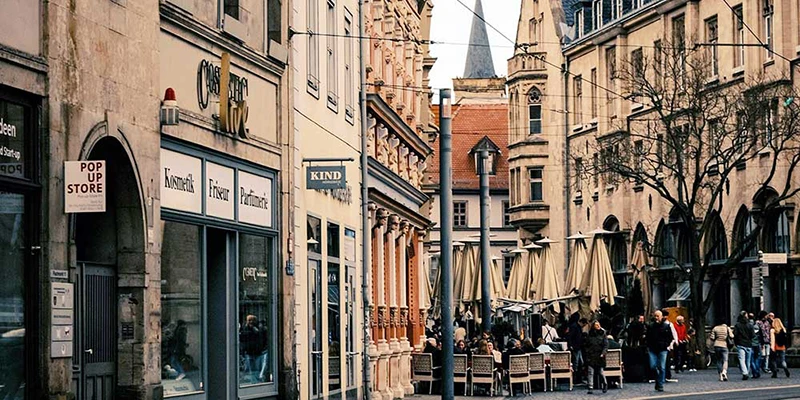
Erfurt, the capital of Thuringia, stands as one of Germany's most compelling medieval cities, preserving over a millennium of architectural heritage within its well-maintained historic center. This ancient city combines Gothic cathedrals, Renaissance merchant houses, and baroque fortifications with contemporary cultural venues and modern amenities. Visitors find themselves transported through centuries of German history while enjoying the practical benefits of a thriving modern university city. The combination of religious significance, architectural preservation, and cultural vitality creates a destination that rewards both casual tourists and serious students of European history.
The Official Tourist Information website has a large amount of information about the city and surroundings, including sights, accommodations, dining, tours, scenic routes, free brochures, maps and more.
My hotel choice in Erfurt: Hotel Krämerbrücke
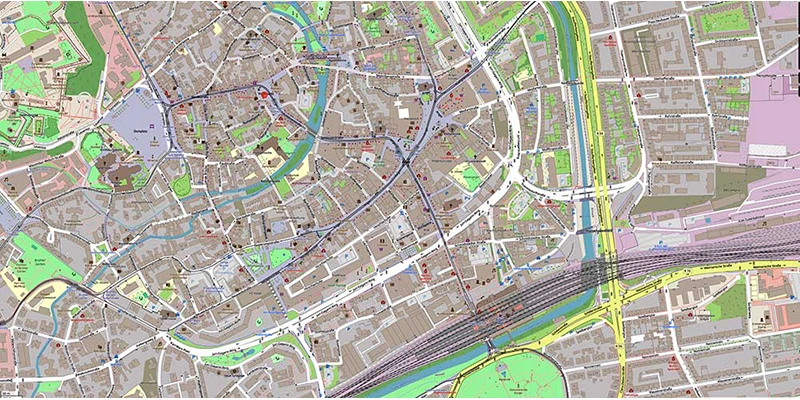
This interactive Google My Map shows locations and hotels with information that can be displayed by clicking on the symbols. It has sidebar index and displays best in full-frame by clicking the box in top-right. The map can be used on your phone or tablet when visiting a city, showing you where to go and describing the sights. You are welcome to make a copyas described here.
Medieval Streets, Bridges and Market Life
Your journey through Erfurt's medieval quarters begins at Fischmarkt, the vibrant historic market square representing the city's medieval commercial heart, surrounded by colorful Renaissance merchant houses and Gothic church spires. The square features the prominent Roland statue and decorative building facades that showcase the wealth and artistic taste of medieval merchants. Market days bring bustling activity with local vendors, while surrounding restaurants and cafes provide excellent opportunities for people-watching.
.webp)
From Fischmarkt, you follow Barfüsserstrasse, a charming historic pedestrian connection between major squares, lined with beautifully preserved medieval buildings housing restaurants, shops, and cafes. The street's architecture represents various developmental periods, with half-timbered houses, stone facades, and traditional German architectural elements creating picturesque walking experiences. Local businesses operating from these historic structures offer traditional Thuringian cuisine alongside modern retail shopping.
.webp)
Just beyond lies one of the most extraordinary sights in Europe: the Krämerbrücke, or Merchants' Bridge. At first glance it seems like any other medieval bridge, but then you realize that it is fully lined with houses and shops, 32 in total, perched across the span of the river Gera. Walking across it feels like stepping into a fairy tale. Each building holds a surprise: galleries, artisan workshops, jewelers, toy stores, and cozy cafés where you can watch the world pass by on the bridge below. It has been a working bridge for more than six centuries, making it one of Europe's oldest inhabited bridges, and it remains one of Erfurt's most beloved icons.
At the eastern end of Krämerbrücke, Agidienkirche stands majestically, serving as a stunning architectural focal point with its impressive bell tower offering panoramic views over Erfurt's medieval old town. From this vantage point, visitors admire red-tiled rooftops, Gothic spires, and winding cobblestone streets that define the city's character. The church showcases remarkable Gothic and Romanesque architectural elements with beautiful stonework and carefully preserved medieval details.
The Merchant's Church stands as an impressive Gothic hall church at the end of the Krämerbrücke, serving both as place of worship and cultural venue for concerts and special events. The church features notable stained glass windows, late medieval frescoes, and architectural elements demonstrating the wealth and religious devotion of Erfurt's medieval merchant class. The church's location at the bridge terminus creates dramatic architectural focal points emphasizing connections between commercial and religious life in medieval urban planning.
.webp)
Schlösserstrasse connects Anger Square to Fischmarkt and Domplatz featuring fashion stores, boutiques, restaurants, and cafes housed within historic buildings maintaining old town architectural character. The street serves as both commercial thoroughfare and pedestrian connection between major tourist attractions, making it natural part of most walking tours. Local businesses offer everything from international fashion to regional specialties while historic architecture provides attractive settings for retail and dining.
Renaissance Elegance and Cultural Venues
Anger Square functions as the beating heart of Erfurt's commercial and social life, surrounded by baroque and medieval buildings that house department stores, boutiques, cafes, and restaurants. The square serves as the city's main pedestrian zone and primary shopping district where locals and tourists gather for commerce and socializing. Historic baroque facades provide elegant backdrops for modern retail establishments, while strategic location and excellent tram connections make this a natural meeting point.
2uip.webp)
Near Fischmarkt, Haus Zum Roten Ochsen showcases magnificent Renaissance architecture with elaborate decorative facade work that exemplifies 16th-century German merchant prosperity. The building's ornate exterior features detailed stone carvings and decorative elements that demonstrate Renaissance design principles adapted to German building traditions. The structure stands as one of the city's finest examples of Renaissance secular architecture, with preserved decorative elements providing insights into period aesthetic values and craftsmanship.
Haus Dacheröden serves as an elegant cultural center housed within a historic merchant's house, hosting art exhibitions, literary events, concerts, and cultural programs. The building represents architectural refinement achieved by successful medieval merchants, with carefully preserved interior details providing atmospheric settings for contemporary cultural activities. Regular programming includes author readings, art exhibitions, musical performances, and educational workshops.
.webp)
The Angermuseum occupies a beautifully restored baroque packing house that showcases impressive collections of German artworks, medieval religious sculptures, and decorative glass. The building itself functions as an architectural treasure with baroque features providing elegant settings for diverse artistic displays. Visitors explore works spanning several centuries from medieval religious art to contemporary German pieces.
-2up.webp)
Kulturhof Krönbacken transforms medieval courtyard complex into cultural venue hosting concerts, theater performances, art exhibitions, and community events within historic stone walls. The courtyard setting creates intimate atmospheres for cultural programming while preserved medieval structures provide authentic historical backdrops for contemporary artistic expression. Regular events include classical music concerts, experimental theater, art installations, and cultural festivals attracting both residents and visitors.
Fortress Views and Military Heritage
Your ascent to Petersberg Citadel reveals a massive baroque fortress complex dominating the city from elevated ground, housing museums, exhibitions, and cultural venues within impressively preserved military architecture. Visitors explore the fortress through accessible ramparts, gardens, and underground passages while learning about military history and enjoying panoramic views of the old town and surrounding countryside. The citadel includes museums dedicated to local history, military architecture, and regional culture.
Zitadellenblick offers spectacular panoramic views from the Petersberg fortress over the cathedral square, old town, and surrounding countryside, allowing visitors to appreciate both historic city center and broader regional landscape. The elevated perspective creates excellent photography opportunities while providing spatial understanding of Erfurt's development within its geographic setting. Views encompass both preserved medieval architecture and modern urban development, illustrating continuing city evolution.
.webp)
Cyriaksburg Citadel complements the larger Petersberg complex with additional insights into Erfurt's military history and defensive strategies through preserved fortifications and underground passages. The citadel features strategic positions demonstrating 17th and 18th-century military engineering principles, while visitors can explore fortress walls and observe historical military architecture. Regular guided tours explain technical aspects of fortress construction and historical context of military architecture development.
.webp)
The Alte Stadtmauer preserves remarkable sections of Erfurt's ancient city wall that stand as testaments to medieval urban fortification techniques. These well-maintained defensive structures feature imposing towers and accessible walking paths allowing visitors to trace historical boundaries of the old city. Walking along these ramparts provides unique perspectives on medieval city protection methods while offering glimpses of both historic city center and modern Erfurt.
Sacred Spaces and Gothic Grandeur
Your spiritual journey through Erfurt begins at Domplatz, the expansive historic square that serves as the spiritual and architectural heart of the city. The square's sloping design creates a natural amphitheater perfect for hosting regular events, markets, and festivals throughout the year, dominated by the cathedral and St. Severus Church. The impressive Gothic architecture surrounding the space creates one of Germany's most striking cathedral squares, while the area maintains constant activity during market days and cultural events.
The Domstufen create broad cathedral steps that serve as a natural amphitheater for the famous annual DomStufen Festival and other open-air cultural performances. These architectural steps provide dramatic access to the religious complex while offering seating for thousands of spectators during events. Throughout the year, the steps host various cultural programs from classical music concerts to theatrical performances, combining Gothic architectural grandeur with intimate outdoor performance spaces.
.webp)
Erfurt Cathedral dominates the cityscape with its imposing Gothic twin towers and houses the Maria Gloriosa, one of the world's largest medieval bells. The cathedral's interior showcases stunning stained glass windows, ornate stone carvings, and soaring vaulted ceilings that exemplify Gothic architectural mastery. Visitors can climb the tower for panoramic views of the old town, while the structure itself represents over 700 years of architectural evolution and religious significance in Thuringia.
Adjacent to the cathedral, Severikirche complements the complex with its distinctive early Gothic architecture featuring double lateral aisles and an ornate interior that houses the tomb of St. Severus. The church connects to Domplatz through an impressive staircase system that creates dramatic architectural approaches to both religious buildings. Together with the cathedral, these structures form one of Germany's most impressive ecclesiastical architectural complexes, enhanced by their dramatic hillside setting.
.webp)
Your exploration of Erfurt's religious heritage continues at the Augustinian Monastery, which holds immense historical significance as the place where Martin Luther lived as a monk before leading the Protestant Reformation. Guided tours lead visitors through medieval cloisters, monk cells, and communal areas, providing intimate glimpses into monastic life during Luther's formative years. The monastery's architecture represents exceptional examples of medieval religious construction, featuring peaceful courtyards, stone corridors, and carefully maintained gardens. The monastery's courtyards and gardens create peaceful spaces for contemplation and historical reflection, while preserved buildings demonstrate medieval monastic architectural traditions. The preservation of both buildings and grounds creates authentic experiences of late medieval religious life.
3up.webp)
The Alte Synagoge stands recognized as one of Europe's oldest surviving synagogue buildings, housing extraordinary exhibitions dedicated to medieval Jewish history and culture. The building dates back to the 11th century and represents one of Germany's most significant Jewish historical sites. Inside, visitors explore fascinating displays of medieval Jewish artifacts, religious objects, and the famous Erfurt Treasure, a collection of medieval Jewish coins, jewelry, and ceremonial items discovered in the city.
River Paths and Green Retreats
Your exploration along the Gera River Promenade follows the Gera River through Erfurt's historic center offering peaceful pedestrian paths with benches and lush greenery providing respite from urban activity. The promenade passes under the famous Krämerbrücke and provides access to restored traditional houses, small historic bridges, and former mill sites telling stories of the river's economic importance. The waterfront setting creates tranquil environments for strolling with views of medieval architecture reflected in water.
2up.webp)
The Neue Mühle houses a historic water mill on the Gera River containing small museum demonstrating traditional milling techniques and the important role water-powered industry played in Erfurt's economic development. The mill represents practical application of medieval technology and relationships between urban development and water management. Visitors observe preserved mill machinery, learn about grain processing techniques, and understand how rivers provided essential power for pre-industrial urban economies.
Brühler Garten creates a peaceful park near the cathedral providing green oasis with tree-lined avenues, artistic sculptures, and expansive open lawns perfect for relaxation and recreation. The park's landscaping combines formal garden elements with natural spaces, creating diverse environments for different activities and moods. Mature trees provide shade for quiet contemplation while open areas accommodate picnicking, casual sports, and social gatherings.
.webp)
Egapark offers expansive landscaped botanical gardens and recreational facilities with themed gardens, ornamental flowerbeds, beautiful rose gardens, and authentic Japanese rock gardens. Families particularly enjoy playground areas, greenhouses showcasing exotic plants, and distinctive butterfly houses. The park combines educational botanical displays with recreational facilities suitable for visitors of all ages.
The Egapark Observation Tower provides spectacular panoramic views overlooking extensive landscaped gardens and surrounding cityscape of Erfurt. The tower allows visitors to appreciate comprehensive park design and layout from above while offering distant views of the historic center, including church spires and medieval architecture. The elevated perspective creates excellent photography opportunities and helps visitors orient themselves within both park and broader urban landscape.
.webp)
Contemporary Culture and Living History
Theater Erfurt presents opera, concerts, and theatrical productions in contemporary facility located near the Gera River and Petersberg Citadel. The theater's programming includes both classical and contemporary works featuring local performers as well as visiting artists and companies. Modern stage facilities and technical capabilities allow sophisticated productions contributing significantly to Erfurt's cultural life.
The Old University Quarter preserves medieval university buildings and narrow streets that evoke the intellectual atmosphere of one of Germany's oldest universities, founded in 1379. The quarter's medieval character creates authentic academic environments that connect contemporary university life with centuries of scholarly tradition. Student life continues to animate these historic streets while preserved buildings house modern educational facilities and university services.
.webp)
Willy Brandt Platz creates a modern central plaza near the main train station featuring contemporary architecture, shopping centers, restaurants, and excellent transport connections creating efficient links between rail travel and the city's pedestrian zones. The square represents contemporary urban planning approaches while providing practical services for travelers and residents. The plaza's function as transportation hub makes it natural gateway for visitors arriving by train while commercial facilities serve both travelers and local residents.
Discovering the Past Through Museums
Your historical understanding deepens at the Geschichtsmuseum Erfurt, which occupies a former Augustinian monastery presenting comprehensive exhibitions on Erfurt's development from medieval times to the present day. The museum's collections include artifacts, documents, and interactive displays illuminating the city's role in regional and German history. Particularly strong sections cover medieval trade, religious history, and the city's experience during various political periods including the Holy Roman Empire, Napoleonic era, and German unification.
.webp)
The Römischer Keller preserves remarkable archaeological site with Roman-era foundations and medieval cellar structures demonstrating continuity of urban settlement from Roman times through medieval periods. The underground site features Roman stonework, medieval additions, and architectural elements illustrating how successive generations built upon earlier foundations. Archaeological displays explain excavation processes and historical significance of discoveries.
Erfurt successfully balances historical preservation with contemporary urban life, creating a destination that satisfies both cultural curiosity and practical travel needs. The city's medieval architecture, religious heritage, and cultural venues provide rich experiences for visitors interested in German history and European cultural development. Modern amenities, accessible transportation, and diverse dining and shopping options ensure comfortable visits while maintaining authentic connections to the past.
.webp)
Whether exploring Gothic cathedrals, walking medieval streets, or enjoying contemporary cultural programming, visitors discover that Erfurt offers comprehensive experiences of German urban heritage alongside the conveniences of modern city life. The combination of preserved historical environments with active cultural and academic life creates a destination that rewards extended exploration and repeated visits.