Berlin
A Comprehensive Guide to Germany's Dynamic Capital
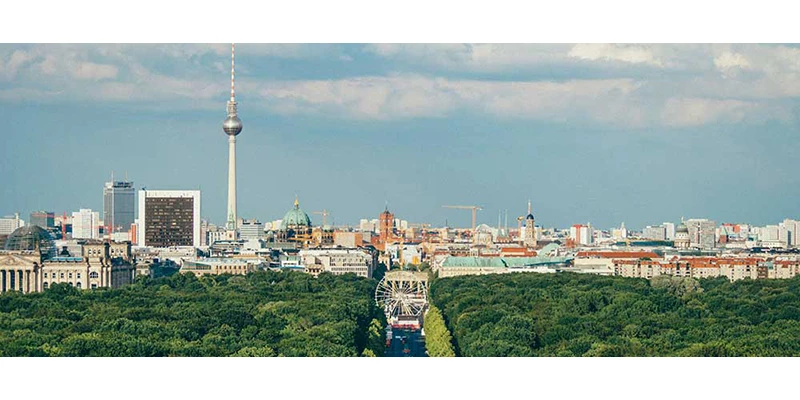
Berlin stands as one of Europe's most compelling destinations, a city where centuries of history converge with cutting-edge modernity. The German capital offers visitors an extraordinary range of experiences, from world-class museums and historic monuments to vibrant neighborhoods and innovative cultural spaces.
A large amount of helpful information can be found on Berlin's Official Tourist Information site, with many descriptions of places, pictures, hotel and restaurant information, and much more.
My hotel choice in Berlin: NH Collection Berlin Mitte Friedrichstrasse
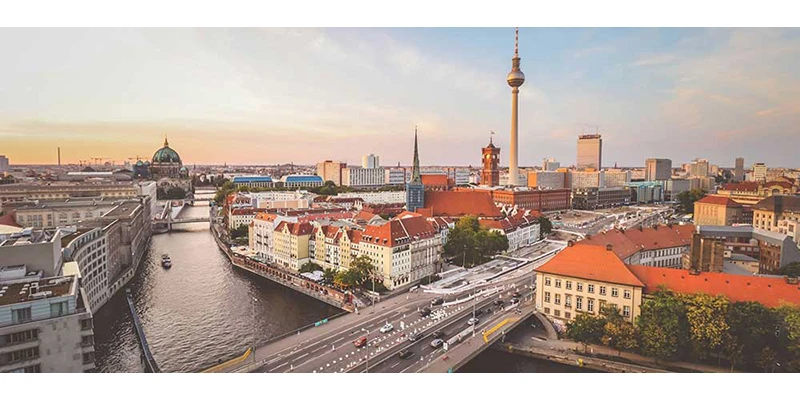
This guide explores the city's essential attractions, organized by geographic areas and themes to help visitors navigate efficiently through Berlin's diverse districts and landmarks.
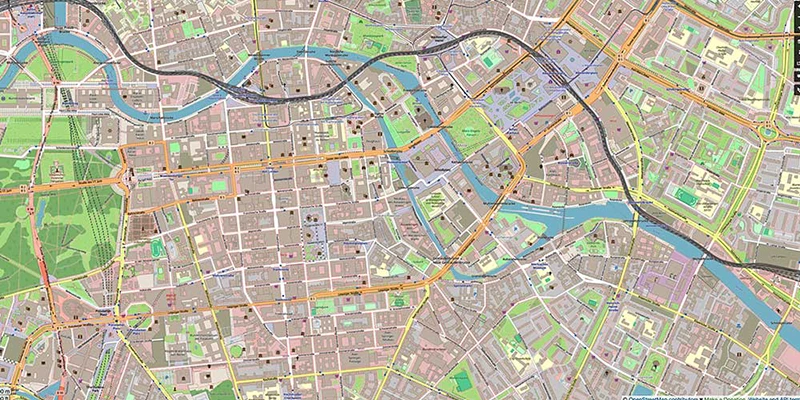
This interactive Google My Map shows locations and hotels with information that can be displayed by clicking on the symbols. It has sidebar index and displays best in full-frame by clicking the box in top-right. The map can be used on your phone or tablet when visiting a city, showing you where to go and describing the sights. You are welcome to make a copy as described here.
Tourist Information
The Berlin Welcome Card provides discounts at over 170 attractions. Depending on the level you purchase, it can include free travel on public transport throughout Berlin.
Historic Center: Mitte District
The heart of Berlin begins at Pariser Platz, the grand neoclassical square that serves as the ceremonial center of unified Berlin. This prestigious plaza, surrounded by identical limestone buildings, creates a harmonious architectural ensemble with the famous Brandenburg Gate as its centerpiece.
.webp)
The iconic neoclassical monument, topped with the Quadriga sculpture, stands as Berlin's most recognizable landmark and symbol of German reunification. The gate serves as the backdrop for major historical events and celebrations, making it a focal point of both the city's past and present.
Just steps away lies Unter den Linden, the historic boulevard that connects the Brandenburg Gate to Museum Island. This tree-lined thoroughfare, lined with embassies, cultural institutions, and neoclassical architecture, represents Berlin's most prestigious street. The avenue features the State Opera, a historic opera house presenting world-class opera, ballet, and classical music performances in a beautifully restored venue. Nearby stands the German Historical Museum, documenting German history from its earliest days to the present through comprehensive collections of artifacts and multimedia displays chronicling two thousand years of German cultural, political, and social development.
-a.webp)
Gendarmenmarkt is one of Berlin's most beautiful and historic squares located in the city center. Established in 1688 as the Linden-Markt, it features a harmonious architectural ensemble including the French Cathedral (Französischer Dom), the German Cathedral (Deutscher Dom), and the Konzerthaus concert hall. Named after the elite Prussian cavalry regiment "Gens d'Armes," once stationed here, the square has played host to key historical events and cultural gatherings. The centerpiece is the monument to the poet Friedrich Schiller. Gendarmenmarkt is a vibrant cultural hub with restaurants, luxury shops, and major concert events, drawing visitors year-round.
Bebelplatz is the historic square known for its Nazi book burning memorial. This somber location contains a subterranean room with empty bookshelves commemorating the 1933 Nazi book burning event, serving as a place for reflection on darker periods of the city's history. The square is surrounded by important buildings, including the State Opera, Berlin Cathedral, and Humboldt University.
.webp)
At the eastern end of Unter den Linden sits Museum Island, a UNESCO World Heritage complex housing five world-class museums on a Spree River island. The cultural ensemble represents nineteenth-century museum architecture with comprehensive offerings covering art, archaeology, and human civilization. The Pergamon Museum stands as the crown jewel, housing monumental ancient architecture including the Pergamon Altar, Ishtar Gate of Babylon, and the Market Gate of Miletus through spectacular full-scale reconstructions. The Neues Museum, reconstructed by David Chipperfield, houses the Egyptian collection including the famous Nefertiti bust, plus prehistoric archaeology and early history artifacts.
A look back, Berlin 30 years ago:
The Alte Nationalgalerie displays an extensive collection of nineteenth-century German Romantic and Impressionist paintings and sculptures, featuring works by Caspar David Friedrich, Max Liebermann, and Adolph Menzel. The Altes Museum, designed by Karl Friedrich Schinkel, showcases ancient Greek, Roman, and Etruscan artifacts in a prominent example of neoclassical architecture. The Bode Museum at the northern tip houses Renaissance and Byzantine art, sculptures, coins, and medals in an impressive neo-Baroque building. The James Simon Gallery serves as the modern entrance building and visitor center, providing orientation services and temporary exhibitions about archaeological discoveries.
.webp)
Adjacent to Museum Island stands the Berlin Cathedral, the city's largest Protestant church featuring impressive dome architecture and elaborate interior decorations. The cathedral offers panoramic city views from the dome walkway, while the crypt beneath contains ornate sarcophagi and tombs of Prussian royalty, including nearly a hundred burial chambers of the Hohenzollern dynasty.
The nearby Humboldt Forum occupies the reconstructed Berlin Palace, housing museums and exhibitions focused on world cultures and Berlin's history. This cultural complex combines historical architecture with modern museum concepts, offering diverse cultural experiences about global cultural connections.
Alexanderplatz and Eastern Mitte
Alexanderplatz serves as a major public square and transportation hub in former East Berlin, dominated by the iconic TV Tower. The 368-meter telecommunications tower offers an observation deck and rotating restaurant with panoramic Berlin views. This GDR-era structure provides 360-degree city vistas from a 203-meter viewing platform, serving as both a landmark and observation point. The square itself functions as a bustling area with shopping centers, restaurants, and the World Clock monument, making it a central people-watching location.
The Rotes Rathaus, Berlin's distinctive red brick city hall, serves as the mayor's office and seat of city government. This neo-Renaissance building displays historical exhibits about Berlin's development, featuring distinctive towers and ornate council chambers that showcase municipal architecture and political heritage.
South of Alexanderplatz lies the Nikolaiviertel, a reconstructed medieval quarter surrounding the Nikolaikirche, Berlin's oldest church building dating from 1230. The Gothic architecture features twin spires and serves as the city's spiritual center, with a museum showcasing Berlin's ecclesiastical history and medieval artifacts. The quarter combines genuine historical elements with reconstruction, creating a tourist-friendly historic district with cobblestone streets, traditional restaurants, and historic building facades that recreate an old Berlin atmosphere.
.webp)
Government Quarter and Tiergarten
The Reichstag Building, Germany's parliament building, features Norman Foster's distinctive glass dome offering panoramic city views. The historic chambers and audio guides provide insights into German democracy and reunification, making it essential for understanding modern German history and architecture. Nearby stands the German Chancellery, a modern building with glass and steel architecture serving as the official workplace of the German Chancellor.
The vast Tiergarten park spans 210 hectares as Berlin's largest central park, featuring walking paths, monuments, and recreational facilities. The former royal hunting ground contains the Victory Column, a 67-meter monument topped with the golden Victoria goddess. Visitors can climb 285 spiral steps to an observation platform for panoramic city views and historical exhibits about nineteenth-century Prussian military victories.
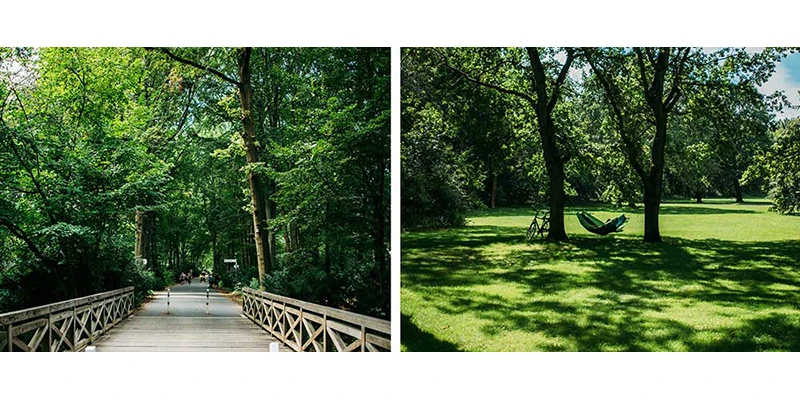
Within the Tiergarten sits the Englischer Garten, a large English-style landscaped area featuring scenic walking paths, a lake, and a small tea house. This section provides a quiet escape with natural park design, perfect for relaxing strolls or picnics. The park also contains the Soviet War Memorial and connects to major attractions while offering peaceful green spaces.
Bellevue Palace, the official residence of the German Federal President, features neoclassical architecture and formal gardens overlooking the Spree River. While interior visits are limited to special occasions, visitors can view the impressive exterior and stately park grounds that represent modern German state dignity.
-a.webp)
Potsdamer Platz and Kulturforum
Potsdamer Platz represents a modern commercial district rebuilt after reunification, featuring skyscrapers, shopping centers, and the distinctive Sony Center. This historic square transformed into a contemporary urban center offers restaurants, cinemas, and cultural attractions that showcase Berlin's post-reunification architectural development.
The adjacent Kulturforum district houses several major cultural institutions. The Philharmonic, designed by Hans Scharoun, features distinctive tent-like architecture and exceptional acoustics, hosting the Berlin Philharmonic Orchestra and international performances. The innovative vineyard-style seating creates an intimate musical experience around the central stage.
The Gemäldegalerie houses one of the world's finest collections of European paintings from the thirteenth to eighteenth centuries, featuring masterworks by Rembrandt, Vermeer, Caravaggio, and Botticelli in purpose-built galleries. The Neue Nationalgalerie, an iconic modernist glass pavilion designed by Mies van der Rohe, showcases twentieth-century art including German Expressionism, Bauhaus, and international modern masters.
Checkpoint Charlie and Cold War Sites
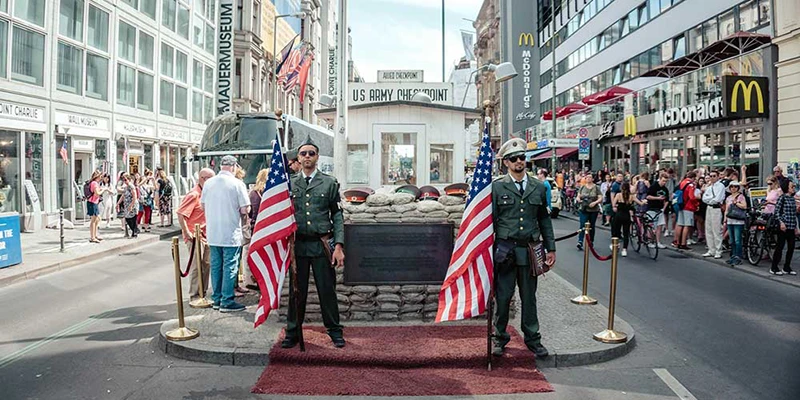
Checkpoint Charlie marks the famous Cold War border crossing point between East and West Berlin. The site now features a replica guardhouse, museum, and outdoor exhibition documenting the city's division and reunification. This former crossing point serves as a key location for understanding Berlin's divided history through reconstructed elements and nearby documentation.
The Topography of Terror occupies the former Gestapo and SS headquarters site, displaying Nazi persecution and resistance history through indoor and outdoor exhibitions. The documentation center details systematic oppression through photographs, documents, and historical artifacts, providing essential understanding of Nazi regime operations and commemorating victims of political persecution.
-a.webp)
The Berlin Wall Memorial on Bernauer Strasse preserves an authentic section of the Berlin Wall with a documentation center explaining division history and escape attempts. The memorial features genuine wall segments, watchtowers, a visitor center, and personal stories of those affected by German division, offering essential insight into Cold War history and the human impact of political separation.
The East Side Gallery transforms the longest remaining section of the Berlin Wall into an open-air gallery featuring over one hundred murals by international artists. This 1.3-kilometer section preserves the wall as both historical monument and artistic canvas, commemorating freedom and reunification through creative expression.
-a.webp)
Museum Quarter and Cultural Institutions
The Berlinische Galerie focuses on Berlin-based artists from the twentieth and twenty-first centuries, featuring paintings, photography, architecture, and multimedia installations that reflect the city's artistic movements and cultural development. The Hamburger Bahnhof, housed in a converted nineteenth-century railway station, showcases contemporary art through rotating exhibitions and installations by international artists.
Sammlung Boros presents contemporary art in a converted World War II bunker, combining historical architecture with cutting-edge installations through guided tours of this unique underground venue. The Museum Berggruen offers an intimate collection of modern masters including Picasso, Klee, Matisse, and Giacometti in a renovated villa opposite Charlottenburg Palace.
The Allied Museum documents the Western Allies' role in Berlin during the Cold War with original aircraft, vehicles, and interactive exhibits about divided Berlin, including a restored American transport plane from the Berlin Airlift and segments of a spy tunnel.
.webp)
Kreuzberg District
Kreuzberg embodies Berlin's alternative culture and multicultural character through several distinctive areas. Bergmannstrasse serves as a vibrant street known for alternative culture, vintage shops, international restaurants, and weekly farmers markets at Marheinekeplatz. The late nineteenth-century buildings and bohemian atmosphere create ideal conditions for walking and people-watching among independent shops and unique boutiques.
Oranienstrasse bustles with Turkish restaurants, alternative culture venues, and vintage shops that represent Berlin's diverse immigrant communities. This multicultural thoroughfare offers authentic international dining, independent businesses, and vibrant nightlife that showcase the area's alternative lifestyle.
Görlitzer Park provides a large urban recreational area known for its alternative atmosphere, community gardens, and multicultural character. The park features green lawns, playgrounds, a small farm, and informal gathering spaces that represent the neighborhood's diverse community life.
Viktoriapark occupies a hilltop position featuring an artificial waterfall monument and panoramic city views. The nineteenth-century park design includes winding paths, a memorial to the liberation wars, and popular local gathering spaces away from tourist areas.
-a.webp)
Friedrichshain District
Friedrichshain attracts visitors with its youthful energy and alternative scene. Simon-Dach-Strasse offers diverse restaurants, bars, and nightlife venues that create a vibrant social atmosphere popular with both locals and international visitors. The area features international cuisine, street art, and evening entertainment options.
Boxhagener Platz serves as a trendy square hosting weekend flea markets surrounded by cafes, bars, and restaurants. This popular public square functions as a central meeting point, especially during weekend markets, providing lively people-watching and local life experiences.
The RAW Gelände transforms a former railway repair workshop into an alternative cultural complex featuring clubs, bars, galleries, outdoor cinema, and flea markets. The graffiti-covered buildings house creative spaces and nightlife venues that showcase Berlin's underground artistic scene and industrial heritage reuse.
Volkspark Friedrichshain, Berlin's first municipal park, features a fairy tale fountain, World War II bunker hills, and extensive recreational facilities including playgrounds, sports courts, outdoor cinema, and beer gardens in a traditional German park setting.
-a.webp)
Prenzlauer Berg District
Prenzlauer Berg attracts visitors with its gentrified charm and restored nineteenth-century architecture. Kastanienallee serves as a trendy tree-lined avenue featuring boutique shopping, independent cafes, bars, and alternative culture. The street includes vintage shops, art galleries, and vibrant nightlife popular with young residents and creative professionals.
Oderbergerstrasse provides a charming residential street experience with local cafes, independent shops, and a historic bathhouse in a quiet neighborhood atmosphere. The restored nineteenth-century buildings and small businesses create a community feel away from tourist crowds.
Mauerpark, built on a former death strip, hosts popular Sunday flea markets, outdoor karaoke, and recreational activities. The green space features graffiti-covered wall remnants and an amphitheater for public performances, creating diverse community gatherings that showcase Berlin's creative spirit.
Charlottenburg District
Charlottenburg Palace represents Berlin's largest palace, showcasing baroque and rococo architecture with opulent state rooms and extensive gardens. The former Prussian royal residence features the New Wing housing porcelain and silver collections, while the Schlosspark Charlottenburg provides extensive baroque gardens with formal parterres, English landscape sections, and historic pavilions including the Belvedere tea house.
The Kaiser Wilhelm Memorial Church preserves historic church ruins as a war memorial alongside a modern chapel. The damaged spire from World War II bombing combines with contemporary glass and concrete additions to create a powerful symbol of destruction and renewal, serving as a reflection on peace and reconciliation.
Kurfürstendamm functions as Berlin's main shopping boulevard, stretching 3.5 kilometers with luxury boutiques, department stores, and restaurants. This prestigious avenue includes flagship stores representing international brands and serves as the commercial heart of western Berlin.
Savignyplatz creates an elegant square surrounded by boutiques, cafes, bookshops, and restaurants in sophisticated neighborhood atmosphere. The area features beautiful Wilhelmine architecture, tree-lined streets, and weekend flea markets that showcase Berlin's refined residential charm.
-a.webp)
Waterfront and Natural Areas
The Spree River provides scenic views throughout Berlin with boat tours, waterfront walking paths, and architectural perspectives of major landmarks including the Reichstag and Museum Island. Multiple viewing points include bridges, riverside parks, and boat departure points that offer unique angles on the city's geography.
Wannsee serves as a scenic lake district in southwestern Berlin offering beaches, sailing, and recreational activities in historic villa districts. The area features sandy beaches, boat rentals, waterfront dining, and connections to Potsdam, making it perfect for water recreation and summer day trips.
Müggelsee, Berlin's largest natural lake in the southeastern district, offers swimming beaches, boat rentals, hiking trails, and waterfront restaurants. The crystal-clear waters surrounded by forest provide escape from the urban environment with designated swimming areas and scenic cycling paths.
-a.webp)
Parks and Green Spaces
Treptower Park combines riverside recreation with the massive Soviet War Memorial, a monumental complex commemorating Soviet soldiers killed in World War II. The impressive memorial includes symbolic sarcophagi and landscaped grounds, representing the largest of Berlin's Soviet war memorials.
Tempelhofer Feld transforms a massive former airport runway into a public park offering cycling, skating, and kite flying on original tarmac. The 300-hectare site preserves aviation history while providing recreational space, community gardens, and public art installations, representing unique urban transformation of military infrastructure.
Grunewald Forest covers vast wooded areas on the city's western edge with extensive networks of walking and cycling trails, lakes, and a radio tower with observation deck. This large forest area offers hiking trails and natural landscapes within the urban environment, ideal for nature enthusiasts seeking wildlife observation.
-a.webp)
Specialized Museums and Cultural Attractions
The DDR Museum provides interactive experiences documenting daily life in East Germany with authentic apartments, Trabant car simulators, and exhibits about socialist society. This popular museum offers detailed looks into East German education, work, and consumer culture through immersive experiences.
Deutsches Technikmuseum presents comprehensive technology exhibitions showcasing transportation, aviation, computing, and industrial history with hands-on exhibits, locomotives, and aircraft. The German Museum of Technology features broad collections and the attached Science Center Spectrum for science and technology enthusiasts.
Museum für Naturkunde operates as a world-renowned natural history museum featuring a spectacular dinosaur hall with original Brachiosaurus skeleton, plus extensive mineral and biodiversity collections. Interactive exhibits cover evolution and paleontology with the world's tallest mounted dinosaur.
The Stasi Museum occupies the former East German secret police headquarters, displaying surveillance equipment and documenting oppressive surveillance state methods. Original offices and holding cells remain as historical testimony with interactive displays about the GDR surveillance apparatus.
Berliner Unterwelten offers guided tours through abandoned bunkers, air raid shelters, and tunnel systems that reveal hidden Cold War and World War history. This association provides unique historical perspectives through underground structures and subway tunnels.
Alternative Culture and Nightlife
Berghain stands as a world-renowned techno nightclub housed in a former power plant, famous for strict door policies, marathon weekend parties, and industrial atmosphere. This legendary venue attracts international visitors interested in Berlin's electronic music scene.
Holzmarkt 25 creates a riverside creative village on the Spree River banks with small wooden buildings housing restaurants, bars, and studios. This alternative cultural space features sustainable living concepts, experimental culture, and unique dining experiences that represent Berlin's creative scene.
Haus Schwarzenberg provides a hidden courtyard complex featuring street art, galleries, workshops, and independent venues. The alternative cultural center showcases graffiti art, creative events, and Berlin's underground artistic and political expression.
-a.webp)
Berlin, a City For Everyone
Berlin's extraordinary diversity ensures that every visitor finds compelling attractions, whether seeking world-class museums, historic monuments, alternative culture, or natural retreats. The city's efficient public transportation system connects all districts, making it possible to experience multiple neighborhoods and attractions in a single visit. From royal palaces to underground bunkers, from high-end shopping to alternative markets, Berlin offers an unmatched range of experiences that reflect both its complex history and dynamic present.
The capital's ability to preserve historical significance while embracing contemporary innovation creates a unique urban environment where visitors can witness the full spectrum of German and European culture. Each district maintains its distinct character while contributing to the city's overall narrative of destruction, division, reunification, and renewal, ensuring visitors gain both broad cultural understanding and specific insights into the forces that have shaped modern Europe's most fascinating capital city.