Wurzburg
.webp)
A Historic Bavarian City on the Main River
Wurzburg is one of Bavaria's most significant cultural and historical centers, situated along the Main River in the heart of the Franconia region. Known for its world-class wine, magnificent baroque architecture, and the towering Marienberg Fortress, this city offers a rich tapestry of experiences. From exploring a UNESCO World Heritage site to sipping local wine on a historic bridge, Wurzburg invites visitors to immerse themselves in its unique blend of past and present -- a destination that appeals to cultural enthusiasts, history scholars, and wine connoisseurs alike.
The Official Tourist Information website has a large amount of information about the city and surroundings, including sights, accommodations, dining, tours, scenic routes, free brochures, maps and more.
My hotel choice in Würzburg: Dorint Hotel Würzburg
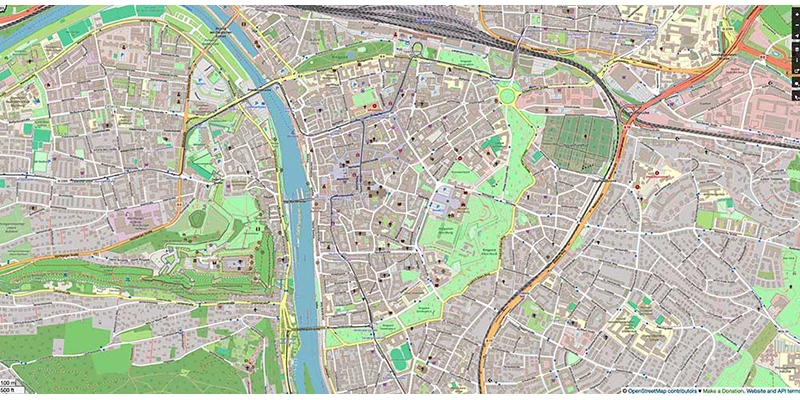
This interactive Google My Map shows locations and hotels with information that can be displayed by clicking on the symbols. It has sidebar index and displays best in full-frame by clicking the box in top-right. The map can be used on your phone or tablet when visiting a city, showing you where to go and describing the sights. You are welcome to make a copy as described here.
Historic City Center and Market Life
.webp)
Market Square forms the historic heart of Wurzburg, where daily life unfolds among structures representing centuries of architectural development. The Gothic Marienkapelle chapel anchors the square with its distinctive red-and-white striped facade, while the baroque Falkenhaus displays elaborate rococo decoration that makes it one of the city's most photographed buildings. Regular market stalls sell local produce and flowers throughout the week, maintaining commercial traditions that date back to medieval times. Surrounding buildings showcase architectural periods from medieval foundations to baroque renovations, creating an authentic atmosphere enhanced by cobblestone surfaces and seasonal decorations during festivals and holidays.
Marienkapelle (St. Mary's Chapel) stands as a striking example of Gothic church architecture directly on the market square. The ornate spire and distinctive facade create a visual focal point that blends sacred architecture with the commercial activity surrounding it. Inside, visitors find the tomb of master builder Johann von Guttenberg and other notable artworks, despite wartime damage that required meticulous reconstruction. The chapel functions as both an active place of worship and a central landmark that demonstrates the integration of religious life with urban commerce.
Falkenhaus represents baroque residential architecture at its most ornate, with rococo facade decoration featuring detailed sculptural elements typical of 18th-century decorative arts. Originally serving as a patrician residence and later as an inn, the building now houses the city library and tourist information center. Its position facing Market Square makes it a convenient stop for orientation while exploring the surrounding streets and squares, exemplifying successful preservation and adaptive reuse of historic architecture for contemporary civic functions.
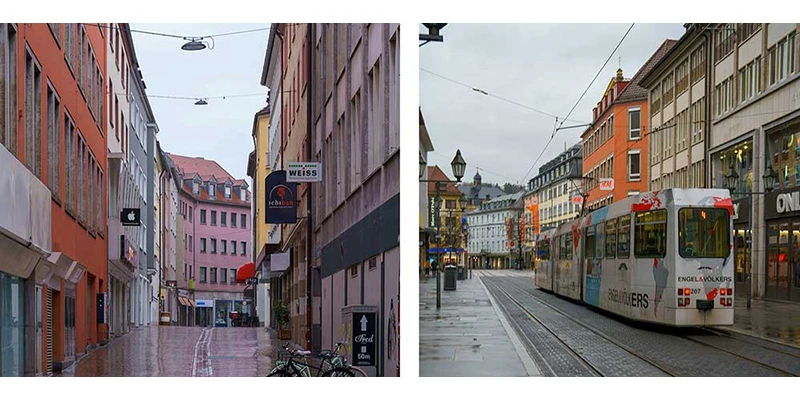
Domstrasse extends from Market Square as the main pedestrian shopping zone, featuring international chains alongside local boutiques, cafes, and restaurants housed in historic buildings. The cobblestone street offers a car-free shopping experience where baroque and medieval facades incorporate modern shop fronts without losing their historic character. Street performers and seasonal decorations add atmosphere during festivals, while outdoor dining and people-watching opportunities provide comprehensive retail options that maintain the area's historic integrity.
Riverside Architecture and Bridge Connections
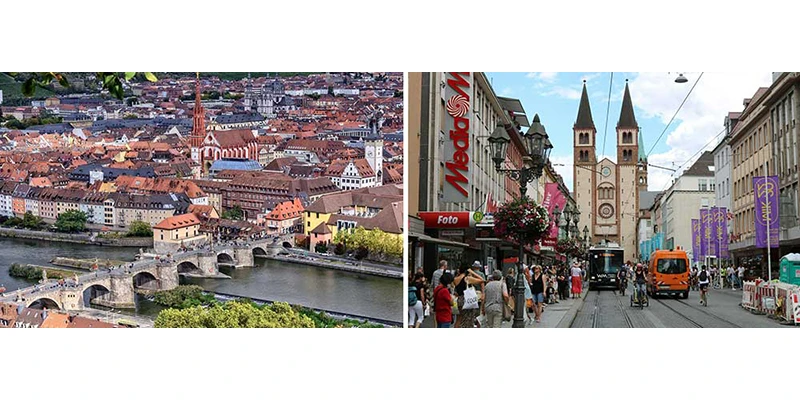
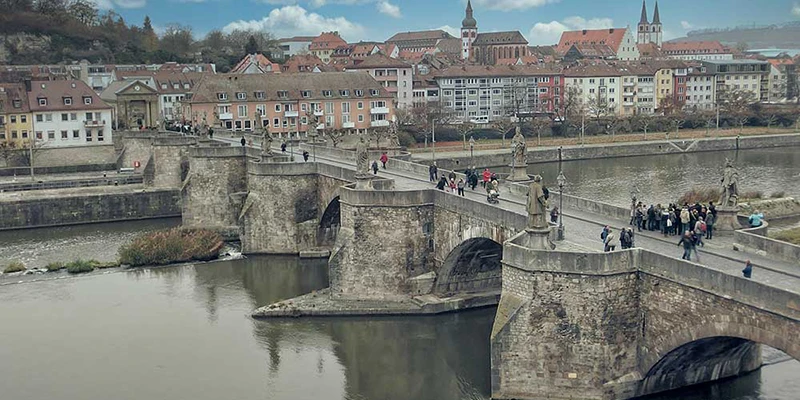
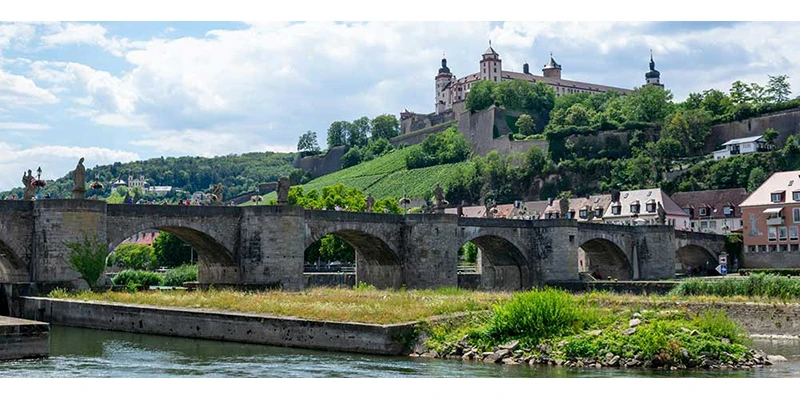
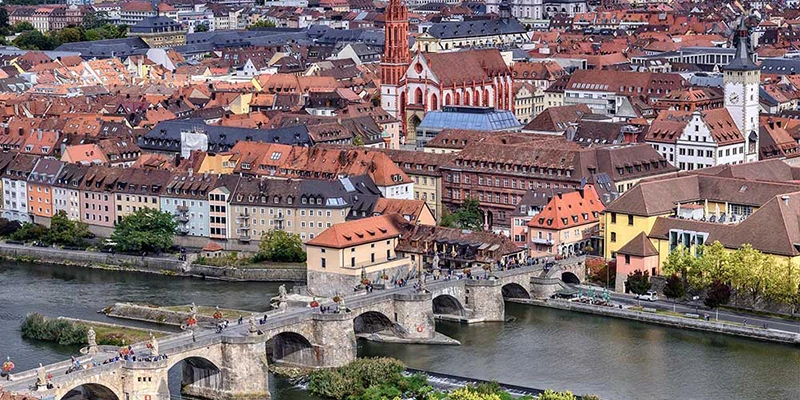
Alte Mainbrucke (Old Main Bridge) ranks among Wurzburg's most recognizable landmarks, originally constructed in the 12th century and reconstructed in later periods. The pedestrian bridge features statues of saints and historical figures added during the 18th century, similar to Prague's Charles Bridge, creating a gathering place for locals and visitors who often enjoy Franconian wine from nearby taverns. The bridge connects the Old Town to Marienberg Fortress while providing excellent views of the river and surrounding architecture, combining daily life with historic significance.
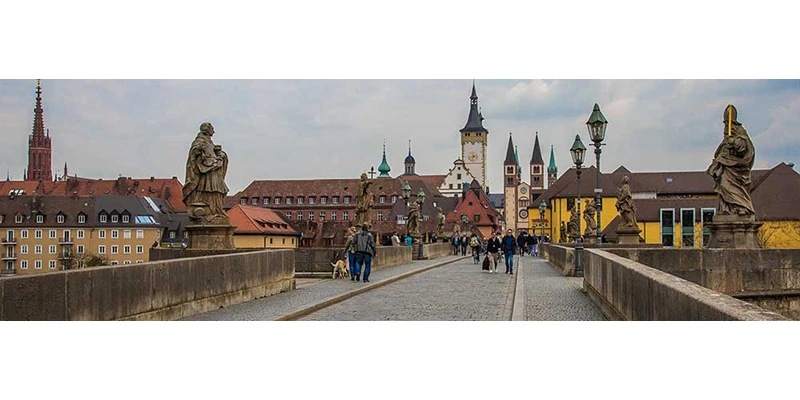
Old Main Bridge from 1473 connects the old town with Marienberg Fortress through historic stone construction featuring twelve baroque statues of saints and historical figures. The pedestrian-friendly crossing offers excellent views of the fortress, vineyards, and Main River while supporting local tradition of enjoying Franconian wine while admiring scenery. Street musicians often perform during pleasant weather, creating both functional river crossing and scenic viewpoint that represents centuries of engineering and artistic achievement.
Alter Kranen presents a historic baroque crane from the 18th century on the Main River banks, built for loading and unloading goods that symbolizes Wurzburg's role as a trading hub connected to river commerce. The distinctive twin-armed crane sits beside a riverside promenade with restaurants and cafés, preserved as a monument where visitors can watch river traffic and enjoy Old Town views. The structure serves as both historic monument and recreational point of interest that demonstrates the city's commercial heritage.
Mainkai Promenade provides waterfront walkway along the Main River with scenic paths for walking, cycling, and relaxation offering views of vineyards, bridges, and historic buildings. Benches and green spaces create spots for rest and river watching while connecting various districts and attractions. The promenade showcases the relationship between city and water through a mix of natural and urban landscapes, with boat tour departures from docks during warmer months providing opportunities for photography and outdoor recreation throughout the year.
Fortress Heritage and Hilltop Views
Marienberg Fortress commands a hilltop position overlooking the Main River from its medieval origins dating to 1201, serving as residence for Wurzburg's prince-bishops for centuries. The complex includes defensive walls, towers, courtyards, and houses the Mainfrankisches Museum displaying regional art and cultural artifacts. Visitors can explore fortress grounds, chapel, and wine cellars while enjoying panoramic city views that represent over 800 years of regional history and military architecture. Climbing paths and vehicle access accommodate different visitor preferences for reaching this dominant landscape feature.
Museum fur Franken within Marienberg Fortress showcases Bavaria's most significant art and cultural history collections spanning over 1000 years of Franconian heritage. The museum displays medieval sculptures, religious artifacts, folk art, and regional crafts in historic fortress rooms with vineyard and river views. Highlights include works by Tilman Riemenschneider, baroque art, and archaeological finds representing regional development. The collection demonstrates rich cultural traditions and artistic achievements of the Franconia region through centuries of political and social change while combining museum exploration with fortress architecture and panoramic city vistas.
Kappele Pilgrimage Church on Nikolausberg hill presents rococo architecture designed by Balthasar Neumann with panoramic views of Wurzburg and the Main valley. The church features ornate interior decoration, religious artifacts, and peaceful atmosphere for prayer and reflection reached through a climb involving stations of the cross through vineyards. The site attracts religious pilgrims and tourists seeking elevated views while surrounding gardens and pathways create serene environment away from urban activity, maintaining connection to the city's religious heritage.
Stein Castle Ruins (Burg Stein) provide remains of a medieval hilltop castle overlooking the Main River with panoramic views of surrounding landscape. The site combines historical significance with recreational opportunities for visitors interested in exploring additional fortress heritage beyond the main Marienberg complex.
Baroque Splendor and UNESCO World Heritage
2up.webp)
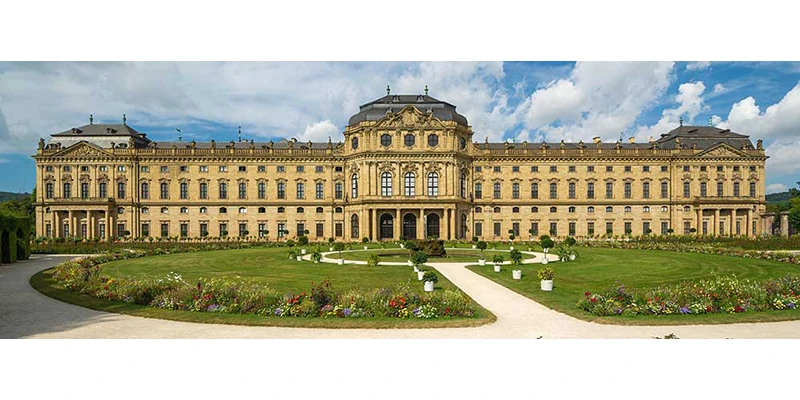
Wurzburg Residenz stands as the city's UNESCO World Heritage baroque palace masterpiece from the 18th century, showcasing the grandeur of former prince-bishops through ornate state rooms and impressive frescoes by Tiepolo. The palace features elaborate decorations, period furniture, and architectural details visible through tours of the Imperial Hall, White Hall, and Mirror Cabinet. Audio guides provide historical context about former rulers and the architectural significance of this baroque achievement that represents the pinnacle of 18th-century European palace design.
Hofgarten adjacent to the Wurzburg Residenz offers baroque garden design featuring symmetrical flowerbeds, fountains, and sculptures arranged with geometric precision. Free entry provides access to peaceful walking areas with views of palace architecture and carefully maintained landscaping that creates different visual experiences through seasonal plantings. The garden combines horticulture, sculpture, and architectural heritage in formal design that demonstrates the relationship between structured outdoor spaces and palace grandeur.
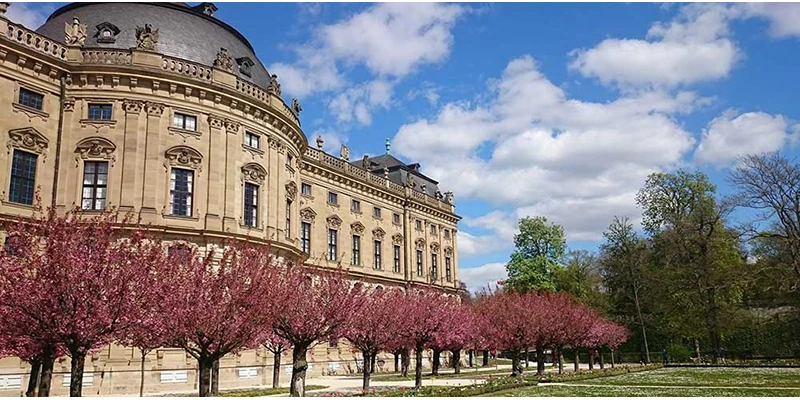
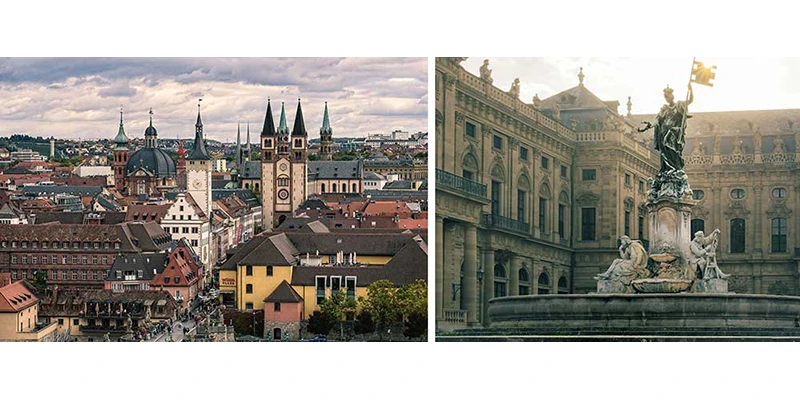
Residenzplatz creates a formal baroque square setting for the UNESCO World Heritage palace, featuring the Franconia Fountain and geometric design principles with cobblestone patterns and formal landscaping. The plaza showcases architectural symmetry typical of baroque urban planning while serving as a venue for seasonal events, concerts, and markets. The square provides excellent views of palace architecture and serves as a gathering point for visitors exploring the Residenz complex, reflecting the power and aesthetic vision of the prince-bishops who shaped Wurzburg's architectural legacy.
Franconia Fountain from 1894 in Residenzplatz features allegorical figures representing the Franconia region through ornate sculptural details including mythological figures, regional symbols, and decorative elements typical of late 19th-century public art. The baroque fountain serves as a popular meeting point and photographic subject while anchoring the formal plaza layout in front of the Residenz palace. Seasonal decorations and lighting enhance the fountain's appearance during festivals and evening hours, representing regional pride and artistic achievement.
Parks, Gardens, and Natural Spaces
Botanischer Garten displays over 10,000 plant species from all continents in greenhouses and outdoor areas arranged according to natural habitats by the University of Wurzburg. Established in 1696 as a medicinal plant garden, it now serves research, education, conservation, and public recreation. Visitors can explore tropical houses, succulent collections, Mediterranean plants, North American prairies, and alpine species through specialized sections for medicinal plants, historical varieties, and endangered species. Free admission makes it an accessible educational attraction combining scientific study with peaceful natural environment for relaxation and learning about global plant diversity.
Klein Nizza Park offers landscaped riverside setting with tree-lined walking paths, flower beds, and open green areas for relaxation and casual recreation. Located near the city center and easily accessible from the Old Main Bridge, it provides peaceful outdoor space contrasting with busy old town streets. Benches positioned throughout offer river views and opportunities for rest during city exploration, serving locals and visitors as calm retreat with mature landscaping and seasonal plantings. Its proximity to major attractions makes it a convenient stop for outdoor relaxation during comprehensive city visits.
Lusamgartchen provides a small medieval cloister garden adjacent to Neumunster Church as quiet retreat with historic gravestones and memorial to minnesinger Walther von der Vogelweide. The intimate space features traditional garden design with herbs, flowers, and peaceful seating areas surrounded by historic walls. The garden represents continuation of monastic garden traditions while providing contemplative atmosphere within the busy city center, demonstrating preservation of small-scale historic green spaces that contribute to city character and cultural heritage.
Ringpark creates a green belt surrounding the old town center following former city walls with peaceful walking paths, playgrounds, and open spaces for recreation. Mature trees, flower beds, and lawns create natural environment within urban setting while connecting various neighborhoods and offering respite from city streets. The park accommodates joggers, dog walkers, and families through benches and paths that provide seasonal changes from spring blossoms to autumn colors, representing successful urban planning that preserved green space while allowing city development.
Steinbachtal valley park northwest of the city center provides natural hiking trails, forest paths, and outdoor recreation opportunities within easy reach of urban attractions. The area features deciduous and coniferous trees, seasonal wildflowers, and creek-side walking routes suitable for various fitness levels. Local residents use the space for jogging, dog walking, and family outings while visitors experience regional landscape and natural environment. The valley demonstrates successful integration of natural green space with urban development, offering alternatives to formal parks and gardens through seasonal changes that provide different experiences throughout the year.
Talavera Mainwiesen serves as large open riverside meadow providing public recreation area and venue for fairs, festivals, and outdoor events throughout the year. When not hosting organized activities, it offers wide open space for walking, cycling, picnicking, and relaxation beside the Main River with expansive views of river landscape and surrounding hills with vineyards and forests. Located near city center yet providing sense of natural openness, it demonstrates successful urban planning that preserves public green space while remaining popular with families and individuals seeking outdoor recreation and scenic river views.
Civic Architecture and Public Spaces
Rathaus (City Hall) combines historic buildings that evolved over centuries, with the oldest part being the Romanesque Grafeneckart tower from the 13th century. The complex includes the Renaissance-era "Red Building" with painted facade, reflecting different periods in Wurzburg's history through various architectural styles. Situated near the Old Main Bridge overlooking the river, it serves as administrative center while its courtyard and historic rooms host public events and exhibitions, functioning as both civic and cultural landmark.
Vierrohrenbrunnen near the cathedral and town hall features baroque fountain design with sculpted figures, decorative water spouts, and the city's coat of arms serving as recognizable landmark in the historic center. The fountain represents traditional civic architecture and public art with symbolic significance for local identity while its central position connects key pedestrian streets and squares. Often included in guided tours, it provides opportunity to observe daily life and urban activity while exploring historic areas, demonstrating continuity of public spaces and civic pride.
Contemporary Districts and Modern Life
Sanderstrasse concentrates bars, restaurants, and cafés popular with students and visitors seeking Wurzburg's contemporary nightlife and dining scene. The area provides contrast to historic monuments while offering opportunity to experience modern local culture and cuisine during city visits. Connected to the old town and accessible via public transport, it serves as social hub especially active during evening hours, reflecting current urban life and student culture in this historic university city while providing authentic glimpse of daily life beyond tourist attractions.
Grombuhl District represents modern urban neighborhood known for residential areas, local shops, and street art that demonstrates contemporary city life while maintaining historical references in layout and buildings. The district provides insight into current residential patterns and community development beyond the historic center.
Alte Mainmuhle Area near the Old Main Bridge features historic mill building converted into restaurant and beer garden with traditional Franconian atmosphere. Visitors can enjoy local cuisine and beverages while taking in views of the Main River, passing boats, and vineyards rising toward Marienberg Fortress. The location combines historic architecture with scenic natural surroundings representing typical regional hospitality as popular gathering spot for locals and tourists seeking authentic dining experience. The mill building showcases adaptive reuse of industrial heritage for contemporary cultural and culinary purposes.
Religious Heritage and Sacred Architecture
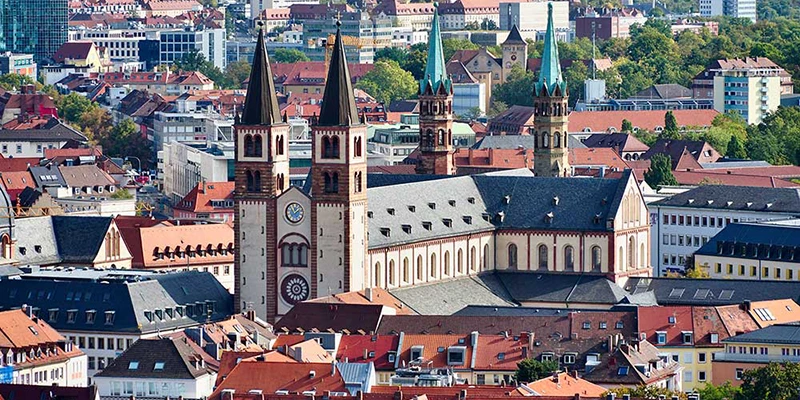
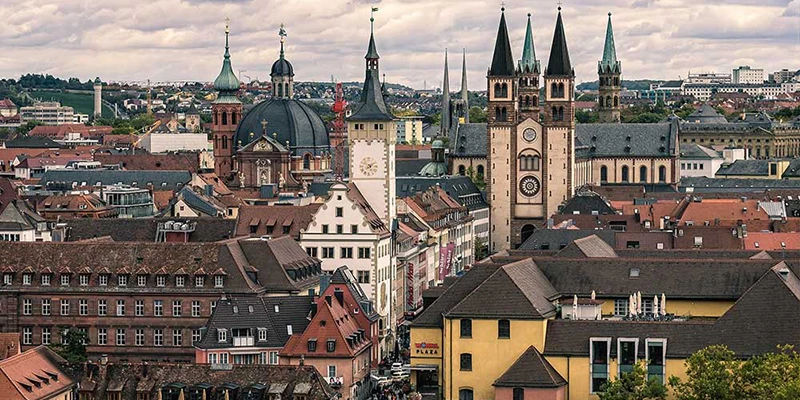
Dom St. Kilian represents over 1000 years of Christian history in Wurzburg through its Romanesque cathedral structure from the 11th century. The twin towers, crypts containing bishops' tombs, and significant religious artworks display a mixture of Romanesque and baroque elements following war reconstruction. Notable features include medieval sculptures, stained glass windows, and elaborate altar pieces that demonstrate the cathedral's role as both active parish church and historical monument. Visitors can attend services or explore during designated hours to appreciate architectural details and religious significance that spans multiple centuries.
Neumunster Church occupies the martyrdom site of Saint Kilian from 689, combining historical significance with striking baroque architecture. The red sandstone facade and ornate interior decorations create a distinctive presence in the old town, while the church contains Kilian's tomb, elaborate altars, and detailed ceiling frescoes. The building serves as a pilgrimage destination with regular concerts and religious services throughout the year. The peaceful garden courtyard provides quiet space for reflection, while a statue of medieval poet Walther von der Vogelweide connects literary heritage with religious tradition.
St. Stephan Church demonstrates regional baroque ecclesiastical architecture through its twin towers and richly decorated interior featuring frescoes, altars, and religious artwork from the 17th and 18th centuries. Located beyond the main tourist zone in a residential area, the church offers insight into neighborhood religious life and architectural diversity. Notable features include baroque sculptures, painted ceilings, and historical religious artifacts that represent broader patterns of church construction characteristic of Wurzburg's religious landscape and cultural identity.
University Church serves the academic community with regular services and cultural events while displaying architectural elements from various construction and renovation periods. The building features religious artwork and memorial plaques honoring university figures, creating peaceful interior spaces for reflection and worship. Its connection to educational tradition links religious heritage with scholarly pursuit characteristic of historic German university cities, representing continuity of spiritual life within intellectual community spanning centuries of educational development.
Hofkirche (Court Chapel) within the Wurzburg Residence exemplifies baroque and rococo design through Balthasar Neumann's architecture and Giovanni Battista Tiepolo's interior frescoes. The chapel served as the private place of worship for prince-bishops and their court, with richly adorned spaces that contrast with the palace's secular grandeur. Intricate stucco work and sacred baroque art create a focused study in ecclesiastical decoration that complements the Residence complex's main tour, demonstrating the integration of religious and political power in historic Wurzburg.
.webp)
Academic Legacy and Scientific Achievement
Alte Universitat represents Wurzburg's Renaissance and baroque architectural heritage while continuing educational functions as part of the university complex. The building houses lecture halls and ceremonial spaces with historical significance tied to notable scholars including Röntgen. Visitors can appreciate architectural details and learn about the city's academic tradition as one of Germany's oldest university cities, with central location making it accessible during exploration of other historic sites and academic districts.
Rontgen Memorial occupies Wilhelm Conrad Röntgen's former laboratory, presenting scientific instruments, documents, and exhibits about his life and groundbreaking X-ray discovery. The museum provides insight into the city's significant role in scientific history and the global impact of Röntgen's work on medicine and technology. Interactive displays and historical context demonstrate how Wurzburg contributed to major scientific advancement that transformed medical practice worldwide, offering informative visits suitable for brief stops while exploring the city center.
Cultural Institutions and Contemporary Arts
Kulturspeicher houses a contemporary art museum in a converted riverside granary, showcasing modern and contemporary art collections alongside regional cultural exhibitions. The building combines industrial heritage with cultural use, reflecting successful adaptation of historic structures for modern purposes through works from the twentieth century to present day. Located near the harbor area, the museum adds variety to cultural exploration beyond traditional historic sites while including educational programs, workshops, and special events throughout the year.
Museum im Kulturspeicher provides contemporary art exhibition space in a former granary on the Main River, featuring modern artworks and temporary exhibitions that integrate historical architecture with modern display spaces. The facility serves as a cultural hub for Wurzburg while demonstrating adaptive reuse of industrial buildings for cultural purposes.
Ebracher Hof represents a historic building complex hosting cultural events, exhibitions, and occasional markets through architecture reflecting traditional Franconian styles. The facility provides insight into Wurzburg's civic and cultural development while serving contemporary cultural programming needs.
Wine Heritage and Viticultural Traditions
Wurzburger Stein Vineyard extends beyond the city center as one of Germany's most famous vineyards, known for producing high-quality Franconian wines on steep slopes overlooking Wurzburg. Wine cultivation has continued here for centuries, remaining central to the city's identity as a wine region. Visitors can explore vineyard trails, enjoy tastings at local wineries, and experience panoramic views of the Main River and Old Town while combining cultural tradition, landscape, and gastronomy in one location.
Juliusspital operates as a historic hospital complex from 1576 that now functions as winery, restaurant, and cultural venue while maintaining its charitable healthcare mission. The baroque buildings surround peaceful courtyards with gardens featuring architectural details from various periods. The associated winery produces renowned Franconian wines using traditional methods, while visitors can tour historic buildings, dine at the restaurant, or purchase local wines. The pharmacy museum displays historical medical instruments and pharmaceutical artifacts, representing centuries of social welfare and wine-making tradition in the region.
Juliusspital Wine Cellar connects to the historic wine estate and charitable hospital foundation, offering tours and tastings of Franconian wines that showcase traditional wine-making methods and regional viticultural heritage through centuries of continuous production and social service.
Day Trip Destination
Veitshochheim Palace and Court Garden located outside Wurzburg served as summer residence for prince-bishops, with the main attraction being extensive court garden representing well-preserved rococo garden design with French influence. The garden features intricate pathways, statues, water features, and carefully arranged plants and trees while the small palace provides glimpse into the more relaxed lifestyle of the prince-bishops. The destination offers tranquil and scenic contrast to urban sites of Wurzburg, popular for day trips that combine palace architecture with elaborate garden design representing the leisure culture of ecclesiastical rulers.
Conclusion
Wurzburg's unique character is shaped by its deep historical roots, its prominence as a center of academia and wine production, and its commitment to preserving its heritage while fostering a modern urban life. From the commanding presence of the Marienberg Fortress to the elegant sprawl of the Residenz and its gardens, the city offers a balanced and comprehensive travel experience. Whether you seek to explore architectural masterpieces, enjoy natural landscapes, or simply savor a glass of local wine, Wurzburg provides a memorable journey through time and culture.
The city's position along the Main River creates scenic beauty that complements its historical significance, while its renowned wine region and university atmosphere add vibrancy to ancient streets and squares. Visitors can experience over a thousand years of German history through religious architecture, civic buildings, and royal residences while enjoying modern amenities and cultural programming. The combination of UNESCO World Heritage sites, active academic life, wine traditions, and riverside setting makes Wurzburg a destination that rewards both brief visits and extended exploration, demonstrating how historic preservation can coexist with contemporary urban development.