Hamburg Travel Guide
-a.webp)
Maritime Heritage and Urban Culture
Hamburg, Germany's "Gateway to the World," offers visitors a unique blend of maritime heritage, modern architecture, and vibrant neighborhoods. As one of Europe's major port cities, Hamburg combines historic warehouse districts with contemporary cultural attractions, from the iconic Elbphilharmonie concert hall to the legendary Reeperbahn entertainment district. This comprehensive guide explores the city's diverse attractions, organized by themes and locations that showcase Hamburg's evolution from medieval trading center to modern metropolis.
The Official Tourist Information website has a large amount of information about the city and surroundings, including sights, accommodations, dining, tours, scenic routes, free brochures, maps and more.
My hotel choice in Hamburg: Steigenberger Hotel Hamburg
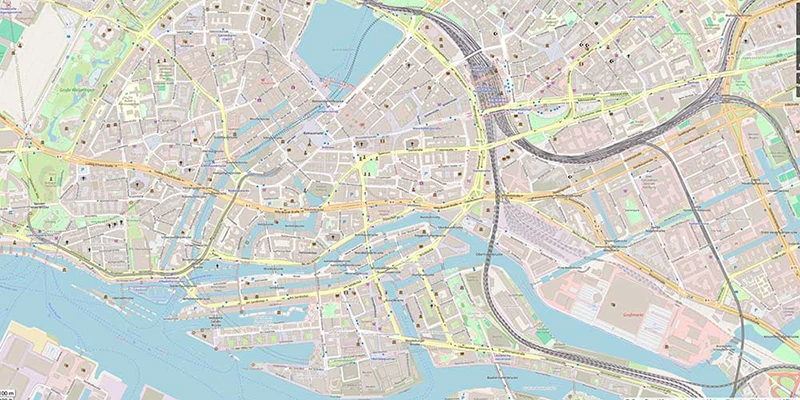
This interactive Google My Map shows locations and hotels with information that can be displayed by clicking on the symbols. It has sidebar index and displays best in full-frame by clicking the box in top-right. The map can be used on your phone or tablet when visiting a city, showing you where to go and describing the sights. You are welcome to make a copy as described here.
Harbor District and Maritime Heritage
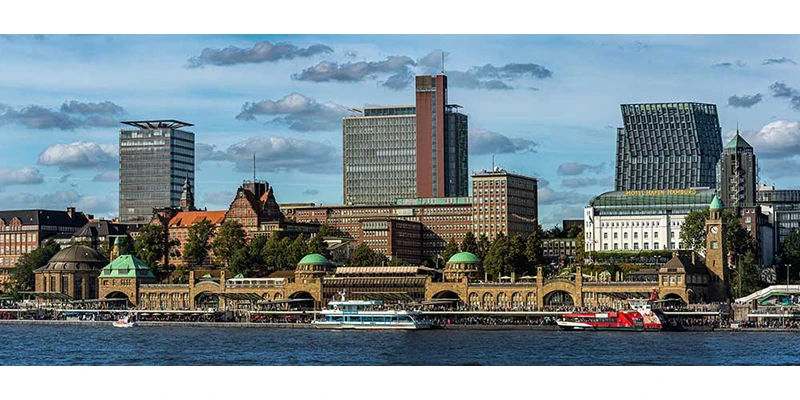
Hamburg Harbor stands as one of Europe's largest ports, offering harbor tours, waterfront views, and access to historic ships and dockyard facilities that demonstrate the city's maritime foundation. Landungsbrücken provides historic harbor landing stages with waterfront views, ferry terminals, boat tour departures, restaurants, pedestrian zones, and viewing platforms offering prime vantage points for observing port activity and harbor traffic. The nearby St Pauli Piers feature floating pier structures along the Elbe waterfront with restaurants, bars, harbor tour services, and ferry connections that extend the maritime experience.
-a.webp)
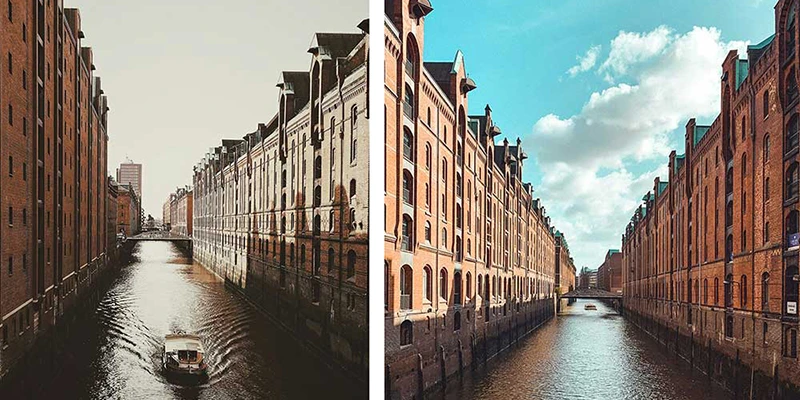
Speicherstadt, the UNESCO World Heritage historic warehouse district, showcases red brick buildings, canals, bridges, and cobblestone streets that house attractions including Miniatur Wunderland, the world's largest model railway exhibit featuring detailed miniature landscapes and scenes from around the world. The Poggenmuhlen Bridge provides one of the most photographed views of these historic warehouse canals and the distinctive Wasserschloss building. Nikolaifleet adds to the historic waterway experience as a narrow canal in the old town with traditional boats, timber houses, and pedestrian bridges.
HafenCity and Modern Waterfront Development
HafenCity represents Europe's largest inner-city redevelopment, blending modern architecture with historic port buildings through waterfront promenades, restaurants, cultural attractions, and public plazas. Magellan Terraces and Marco Polo Terraces create stepped public spaces and landscaped waterfront areas with lawns, seating areas, restaurants, and pedestrian promenades overlooking various harbor basins. Sandtorhafen and Magdeburger Hafen provide historic and contemporary harbor basins with marina facilities, waterfront dining, modern residential buildings, and museum ships.
The Elbphilharmonie crowns this district as a modern concert hall with striking glass facade, hosting classical and contemporary music performances while offering a public Elbphilharmonie Plaza 37 meters above ground with sweeping 360-degree views of the city and harbor. The International Maritime Museum complements the area's maritime focus with ship models, artifacts, and naval history displays, while the Traditionsschiffhafen at Sandtorkai showcases moored heritage vessels and maritime displays.
Elbe River Recreation and Scenic Areas
Elbe Beach and Waterfront creates riverside recreational opportunities with sandy beach sections, volleyball courts, cafes, and walking paths, including the popular Elbstrand where visitors can watch large ships pass by. Blankenese offers a unique hillside residential experience along the Elbe River with winding stairways, half-timbered houses, and the Treppenviertel staircase quarter providing scenic river views through narrow lanes and stairways leading to beaches and the Elbuferweg waterfront trail.
-a.webp)
Altonaer Balkon provides elevated park space above the Elbe River with panoramic views, walking paths, picnic areas, and viewpoints over harbor traffic and riverside activity. Oevelgonne preserves a historic fishing village atmosphere along the Elbe with a small museum, harbor facilities, historic ships, waterfront restaurants, and walking paths. Teufelsbruck serves as a ferry terminal and harbor area with passenger services and connections to beach areas.
Stintfang offers a hilltop park near Landungsbrücken with viewing platforms and walking paths, while the Bismarck Monument provides additional panoramic city views. These elevated positions help visitors orient themselves within Hamburg's complex geography of water, neighborhoods, and cultural districts.
Historic Old Town and Traditional Architecture
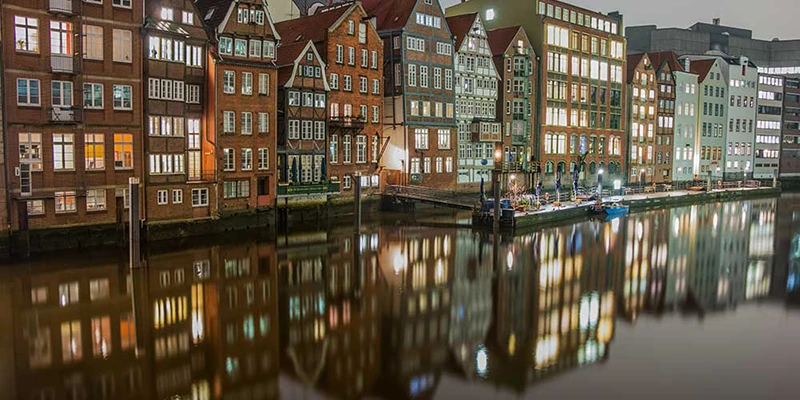
Deichstrasse represents Hamburg's oldest remaining street in the Altstadt, featuring historic timber-framed houses, baroque architecture along a canal, restaurants, and cobblestone walkways that provide scenic pedestrian routes through authentic medieval Hamburg. The Hamburg City Hall and Rathausmarkt anchor the civic center with neo-Renaissance architecture housing local government, surrounded by the central square used for markets, events, and public gatherings.
St Michael's Church dominates the skyline as an iconic baroque-style Protestant church with a tall clock tower and viewing platform offering panoramic views over the city and harbor. St Nicholas' Church provides additional historic perspective through its preserved ruins and accessible tower for city views. The Chilehaus in the Kontorhaus district demonstrates expressionist brick architecture with sharp angles and distinctive design that represents Hamburg's commercial heritage.
-a.webp)
Central Shopping and Commercial Districts
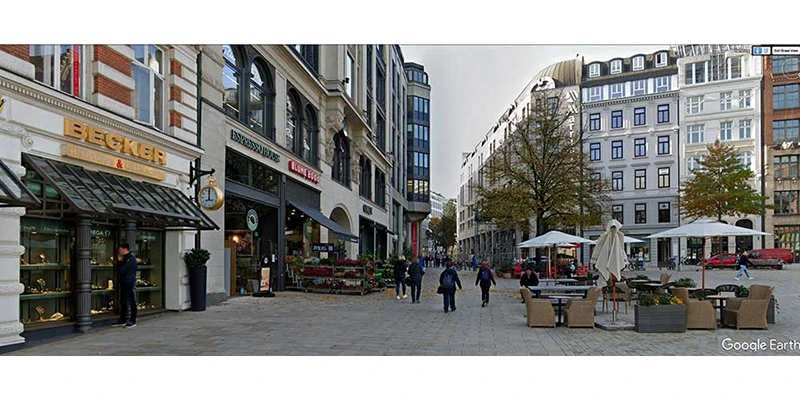
Jungfernstieg combines lakeside promenade with shopping street along the Binnenalster, lined with cafes, department stores, and open spaces popular for walking, boat tours, and city skyline views. Mönckebergstrasse serves as the main shopping thoroughfare in the city center with department stores, boutiques, international brands, and historic buildings. Spitalerstrasse provides additional pedestrian shopping in the historic Altstadt with modern shops, cafes, and high foot traffic.
.webp)
Gänsemarkt creates a central square surrounded by shops, restaurants, and notable historic architecture, while Alte Holstenstrasse offers a quieter pedestrian shopping experience in the Bergedorf district with relaxed atmosphere away from city center crowds.
-a.webp)
Lake District and Urban Recreation
Alster Lakes encompass two connected artificial lakes, Binnenalster and Aussenalster, surrounded by promenades, parks, and residential neighborhoods offering boat rentals, scenic walks, and skyline views. These central water features create unique urban recreation opportunities within Hamburg's dense city center, providing peaceful contrast to the busy commercial districts.
Planten un Blomen complements the lake district as a large public park with themed gardens, botanical collections, water features, walking paths, and seasonal events that serve both residents and visitors seeking green space recreation. Ohlsdorf Cemetery extends the park-like experience through its large, landscaped grounds with historic monuments and gardens.
Alternative Neighborhoods and Cultural Districts
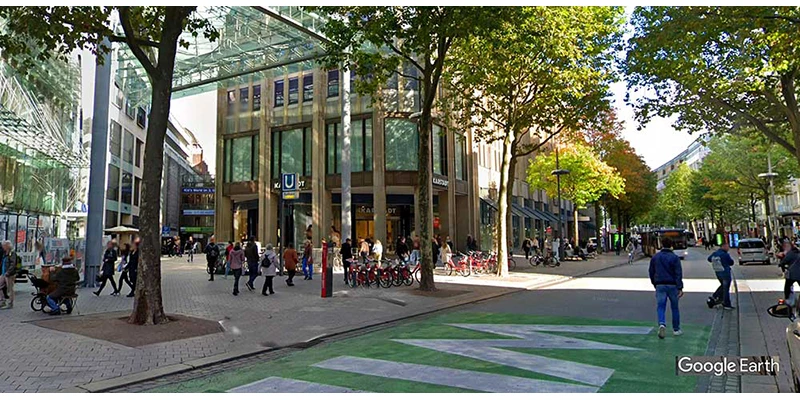
Schanzenviertel and Sternschanze create a bohemian neighborhood cluster with street art, cafes, restaurants, bars, weekend flea markets, and youthful creative atmosphere that represents Hamburg's alternative culture. Karolinenviertel provides a compact area near Sternschanze with independent boutiques, vintage shops, street art, cafes, and alternative cultural offerings.
Ottensen adds to the diverse neighborhood experience with dining options, independent shops, cultural venues, and bohemian atmosphere. These districts demonstrate Hamburg's cultural diversity beyond the traditional maritime and commercial focus, showcasing contemporary urban life and creative communities.
.webp)
Reeperbahn serves as the main street in St. Pauli, renowned for nightlife, theaters, clubs, music venues, and entertainment with historic ties to maritime and music culture. This legendary entertainment district represents Hamburg's role in international music history and contemporary nightlife culture, providing diverse options from historic venues to modern clubs.
The district connects to harbor areas and alternative neighborhoods, creating comprehensive entertainment zones that serve different audiences and demonstrate Hamburg's evolution from traditional port city to modern cultural destination.
-a.webp)
Museums
Museum fur Kunst und Gewerbe houses extensive art and design collections including decorative arts, photography, and graphic design that showcase Hamburg's cultural sophistication beyond maritime heritage. The various maritime museums throughout HafenCity and Speicherstadt complement these broader cultural offerings with specialized focus on naval history and shipping heritage.
Transportation and Access Points
Hamburg's attractions benefit from excellent public transportation, ferry services, and pedestrian connections that allow visitors to experience the full range of maritime, cultural, and recreational offerings. The Alter Elbtunnel provides unique early 20th-century tunnel access beneath the Elbe River with preserved lifts and scenic harbor views at each entrance.
This comprehensive approach to Hamburg exploration ensures visitors can appreciate the city's maritime foundation while experiencing its evolution into a modern cultural metropolis that successfully balances historic preservation with contemporary urban development and diverse neighborhood character.