Bowness-on-Windermere, England
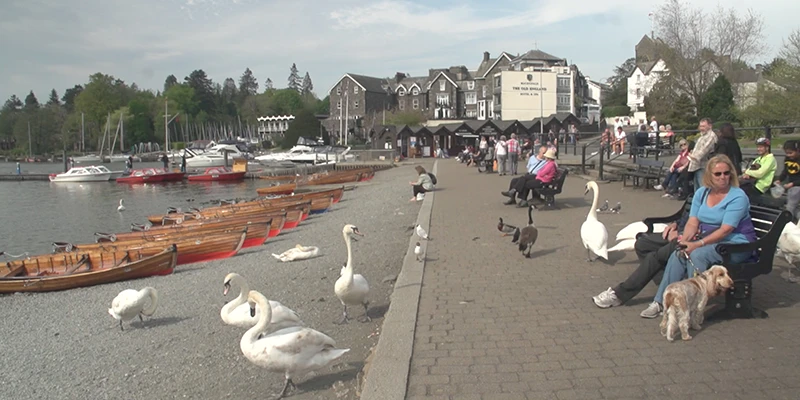
Bowness-on-Windermere is the busiest and most popular town in England's Lake District, and unlike most towns in the region it sits right on the water. While the Lake District is justifiably famous for its natural beauty — the green rolling hills, the forests and the many lakes — its charming towns and villages are a reward in their own right, and Bowness leads them all. With the most hotels, restaurants, shops and visitors of any town in the district, and a beautiful setting on the shore of Lake Windermere, it is the natural first stop for anyone exploring this beloved corner of northwest England.
You can also see this video on a separate video page.
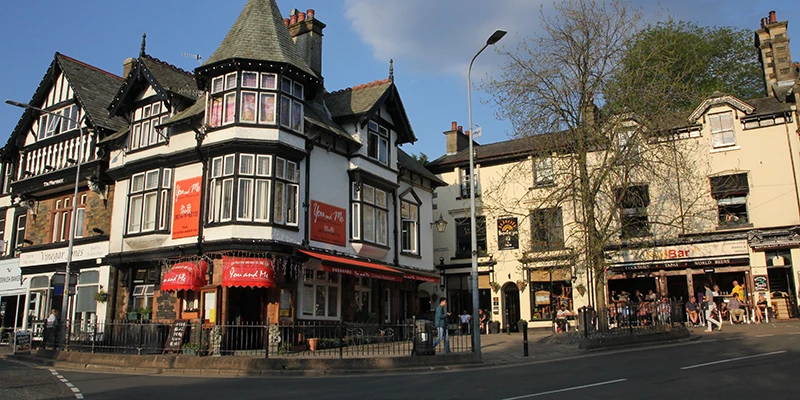
Bowness is thoroughly pedestrian friendly, with wide sidewalks and handsome shopfronts to browse. At the heart of town is the central crossroads where Ash Street, Royal Square and Kendal Road meet, a junction you will pass through often during a stay. From here the streets radiate out toward the lake in one direction and up the hillside in the other, all of it compact enough to explore comfortably on foot.
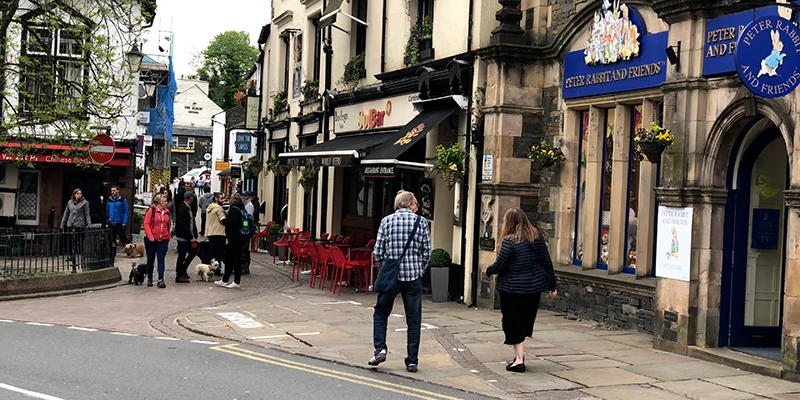
The scale of the town is just right — plenty of shops, restaurants and things to see, yet small enough that finding your way is never a problem. This is a place made for wandering, where you can drift from shop to pub to lakeshore and back again, and where much of the pleasure lies in strolling the streets and watching the comings and goings of fellow visitors, all of them on vacation and in good spirits.
One particular street, Ash Street, is a pedestrian-only lane lined with restaurants, one of the most appealing corners of town. It is the kind of place to settle in for a leisurely meal — at one restaurant here you can dine on a small upstairs balcony, looking down into the street while remaining unseen yourself, a delightful vantage point on the evening scene below.
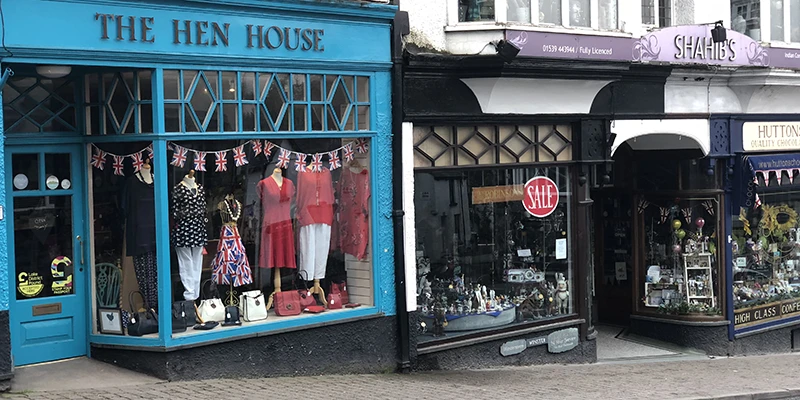
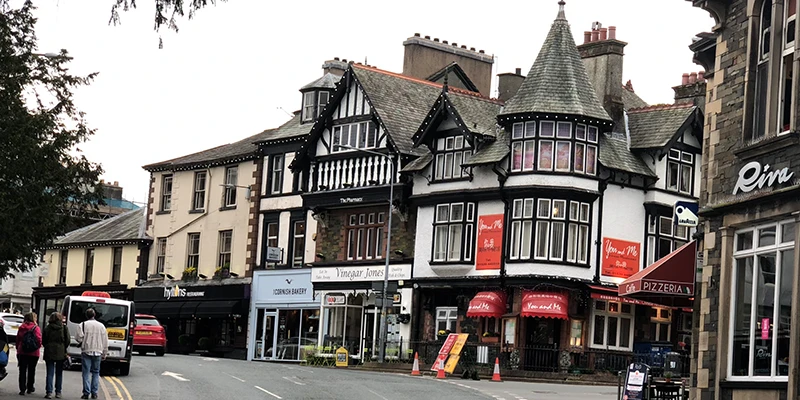
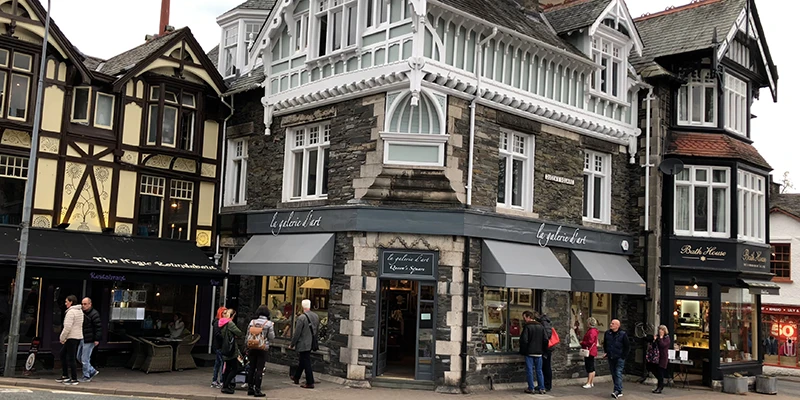
A few blocks up from the crossroads, along the street called Crag Brow, lies the main shopping area of Bowness, which continues for several hundred meters. The variety of merchandise is aimed largely at the visitor, with gift shops, galleries, outdoor-gear stores and boutiques filling the old village street. Their brightly painted fronts add color to the scene, and while a few national chains are represented, many of the shops are individual and unique to the town.
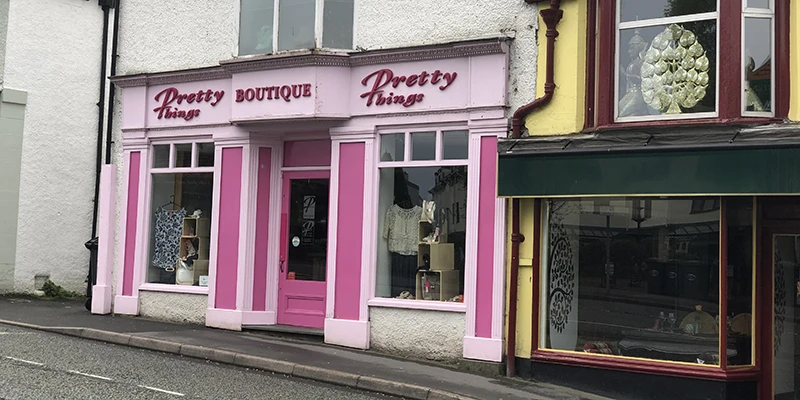
The shops continue along the upper stretches of the main street, which becomes Lake Road as it climbs. Painted facades in pink, blue and green stand out cheerfully among the traditional stone buildings, and window displays of crafts, clothing and Lakeland souvenirs invite a browse. As in many popular tourist towns, local residents have watched their everyday shops give way to visitor-oriented stores over the years, but the result is undeniably lively.
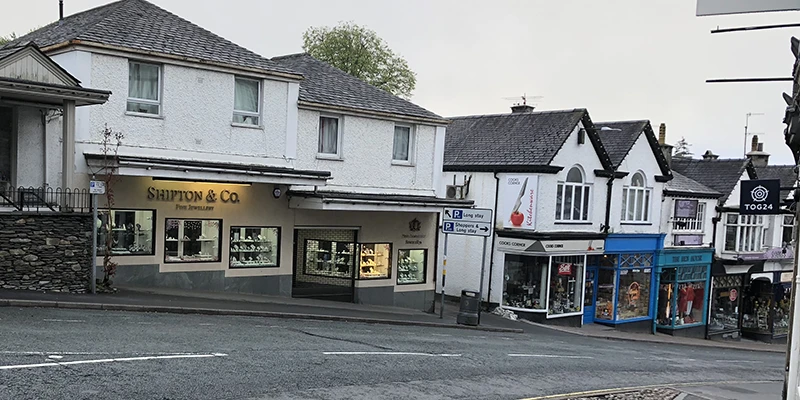
For the most part these are stores in the old-fashioned way, lining the village street rather than gathered in a modern mall, though there is a small shopping arcade toward the upper end of town. Browsing them is one of the chief daytime pleasures of Bowness, especially for visitors returning from a morning out among the lakes and hills.
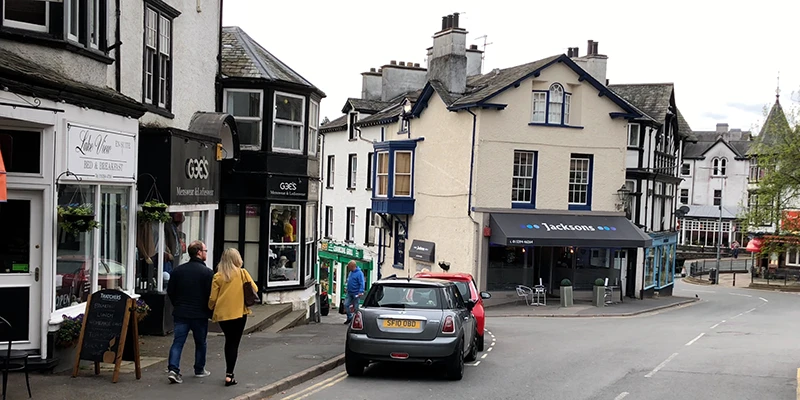
While the town gets quite busy through the day, it is possible to find real peace and quiet by getting up early and taking a stroll before the shops open, perhaps even before breakfast. At that hour you can nearly have the whole town to yourself, with hardly a car on the streets and no tour buses about. For an early riser, a pre-breakfast walk through the empty lanes is one of the quiet delights of a stay here.
The best time to visit is a matter of some judgment. Summer is the most crowded season but brings the best weather and the least chance of rain. The shoulder seasons of May and September are ideal, with mild temperatures usually in the sixties and low seventies and pleasant conditions for being out at the lakes. Winter is best avoided: cold, gray and wet, with many hotels closed. In May or September, with a reservation at a good hotel, crowds are rarely a problem.
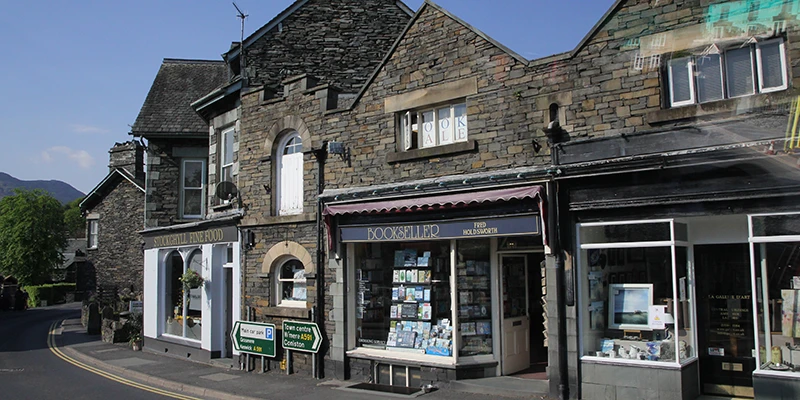
Among the shops and hotels stand a number of historic buildings, the oldest being St. Martin's Church, which dates back to the late fifteenth century. The town grew up around this old core, and though much of what visitors see today was built to serve the tourist trade that has flourished here for well over a century, the older stone buildings give Bowness a sense of history beneath its holiday bustle.
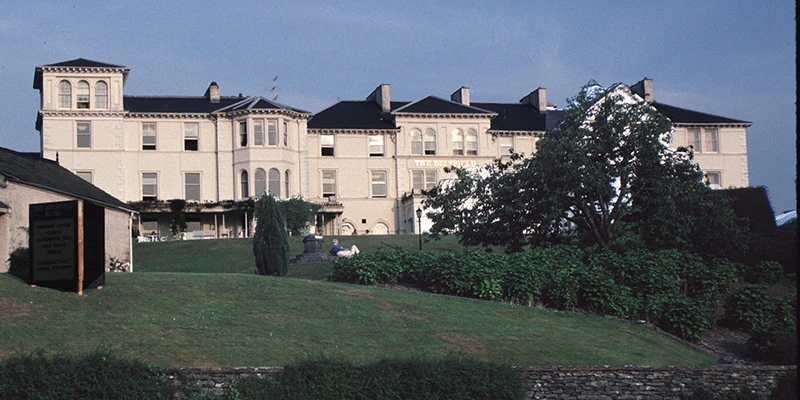
Bowness offers accommodations to suit every taste, from grand traditional hotels set back behind lawns to the many welcoming bed-and-breakfasts that are a hallmark of the Lake District. Because the town is the busiest in the region, it has by far the widest choice of places to stay, and staying here puts you within walking distance of the shops, restaurants and lakeshore. Booking ahead is wise in the busy months, but the range of options means there is something for most budgets.
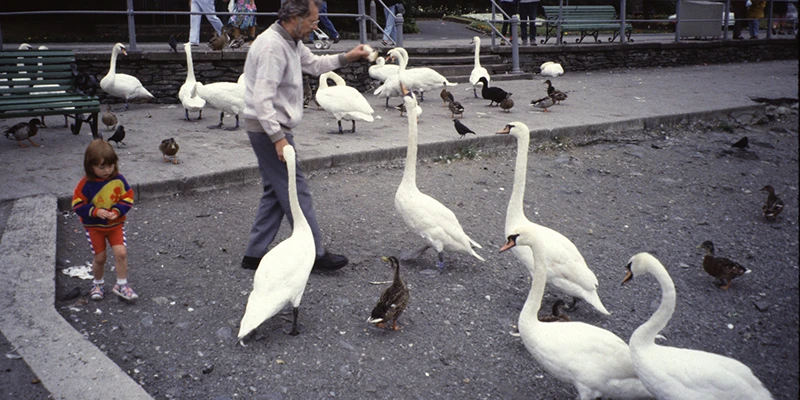
Bowness truly embraces its lake. Behind St. Martin's Church, a walk of about half a mile along Rayrigg Road leads to a beautiful stretch of public shoreline where you can stroll beside Lake Windermere in a rustic natural setting. Closer to the center, the little town beach is always busy with geese, ducks and swans looking for a handout, a favorite spot for children and a cheerful scene at the water's edge.
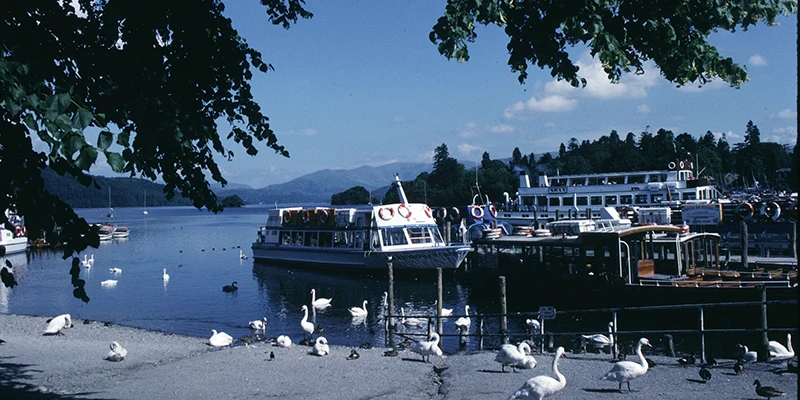
Along the waterfront runs a promenade passing a marina, with a few outdoor bars offering a view over the water and a large lakeside park that includes a small golf course. The waterfront is just the right size — big enough to explore on a good walk, but not so large that you tire or lose your way back into town. From here you can pick from a variety of excursion boats on Lake Windermere, from a one-hour cruise to an all-day expedition on the water.
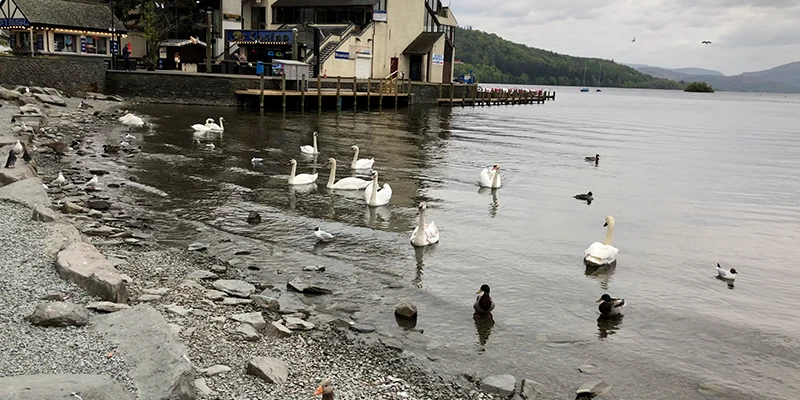
The lake itself is the reason the town exists, and its shore is alive with wildlife. Elegant white swans glide close in to the promenade, along with geese and ducks, all of them well accustomed to visitors and happy to be fed. They make a graceful foreground to the boats coming and going on the water, and watching them against the backdrop of the fells is one of the simple, timeless pleasures of a stay in Bowness.
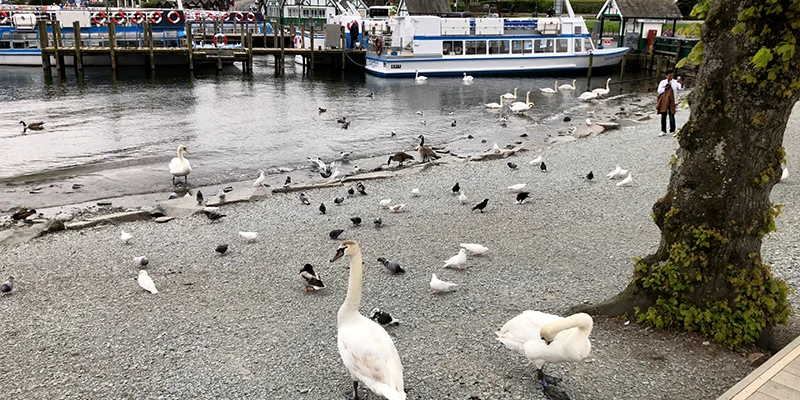
The lake cruises are one of the essential experiences of a visit. Boats of various sizes set out across Lake Windermere, the largest natural lake in England, offering everything from a short circuit of the nearby shore to a full day's voyage down the length of the water and back. The views from the deck take in the wooded shoreline, the surrounding fells and the grand lakeside houses, and a cruise is one of the best ways to appreciate the beauty of the setting that made this region famous.
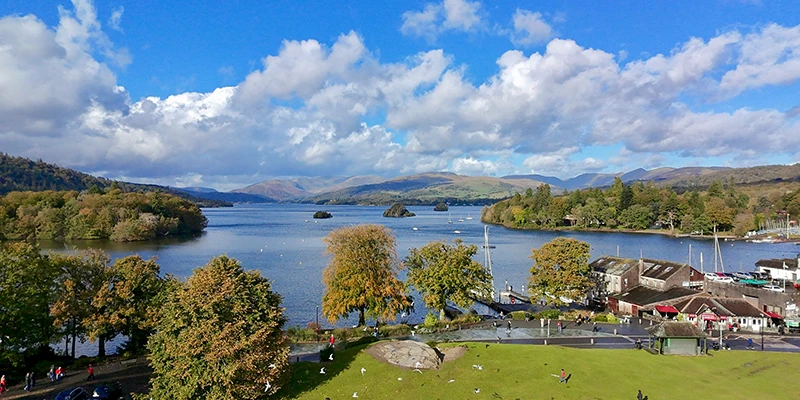
Windermere stretches some eleven miles from end to end, the longest lake in England, and Bowness sits about midway along its eastern shore, which makes it the natural hub for getting out on the water. Ferries and launches run regular services from the piers here to Ambleside at the head of the lake and to Lakeside at its foot, where a steam railway connects for onward trips, so it is easy to build a full day of travel around the boats without ever needing a car.
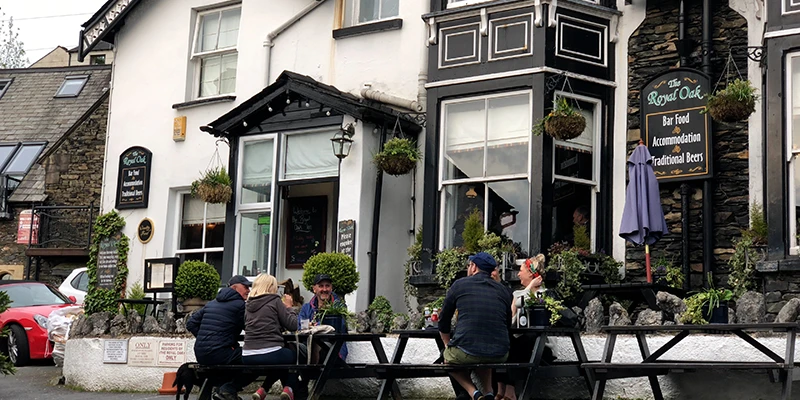
The town lies in the Lake District National Park in the county of Cumbria, in the northwest of England, roughly halfway between the cities of Manchester and Carlisle and reached easily by train and road. Its full name, Bowness-on-Windermere, reflects its position directly on the lake, which is unusual here: most of the major Lake District towns sit some distance from any shoreline, but Bowness embraces the water directly, and that lakeside setting is central to its appeal.
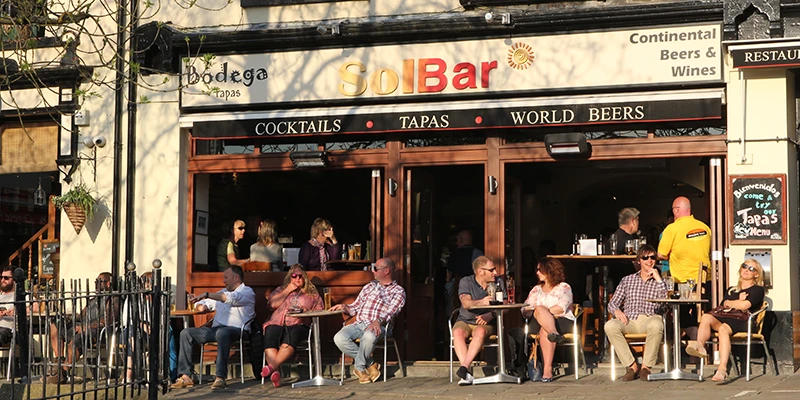
When hunger or thirst strikes, Bowness offers a wealth of pubs and restaurants, closely spaced so you can simply walk around and see what looks good, checking the menu and the mood of the customers before settling in. You could stay three nights here and eat somewhere different for every lunch and dinner. The pedestrian lanes and terraces fill with diners on a fine evening, and the choice runs from casual cafes to more serious restaurants.
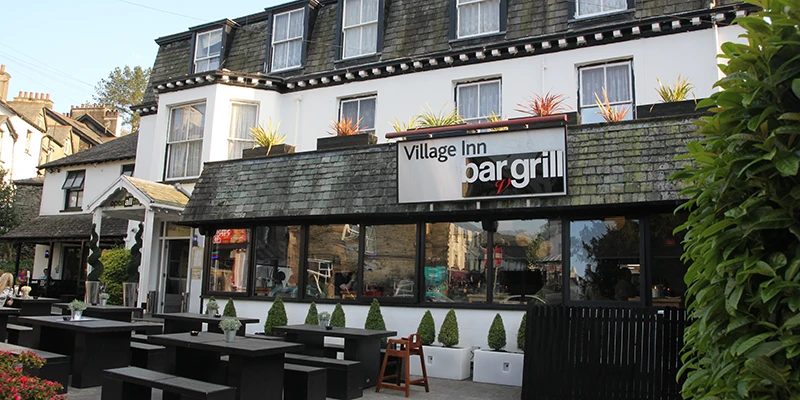
The range of food reflects the town's role as the busiest resort in the Lake District. Traditional pubs turn out hearty English dishes and local ales, tea rooms serve cakes and afternoon tea, and a good number of restaurants offer everything from fresh local lamb and Cumbrian specialties to Italian, Asian and other international cooking. Ice cream stands and takeaways line the way down to the water, ideal for an easy bite to eat while strolling along the lakeshore.
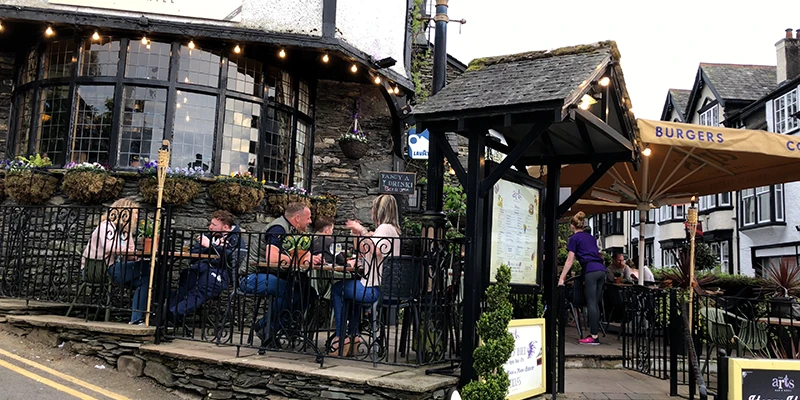
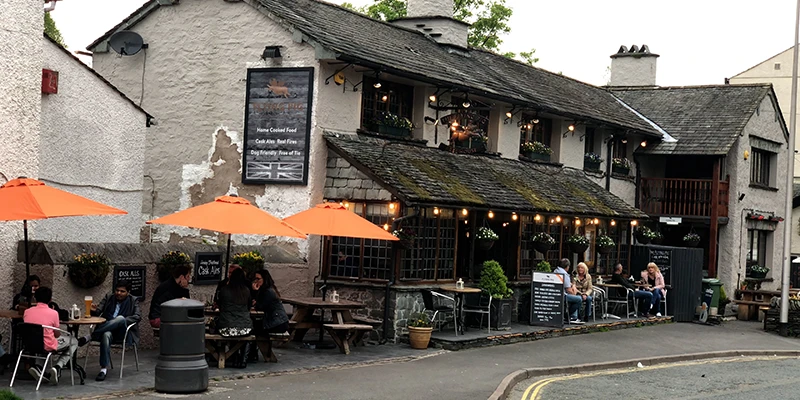
One pub stands out at the central crossroads as the town's most popular gathering place, a welcoming spot to step inside among the locals for conversation, a pint and a full meal. Part of a regional brewery group, it also rents rooms, and its comfortable furniture and outdoor terrace give it the feel of a large, friendly house. A little outside the center are quieter alternatives, easier to get into and sometimes better value, where dogs, as always in the Lake District, are welcome.
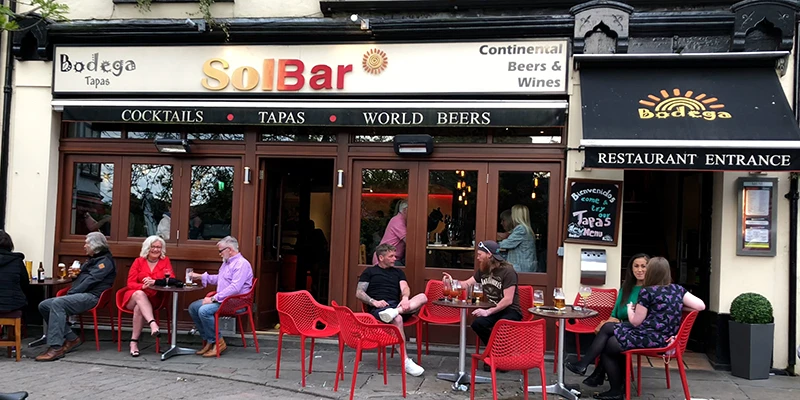
The range of restaurants is genuinely good for a town of this size, and closely enough spaced that choosing a place is part of the evening's pleasure. Popular spots can fill up, so the best of them reward a reservation or an arrival at an off hour, but there are always enough good options within a short walk that something appealing is never far away. From hearty pub meals to more refined cooking, the town caters well to appetites worked up by a day out among the lakes and hills.
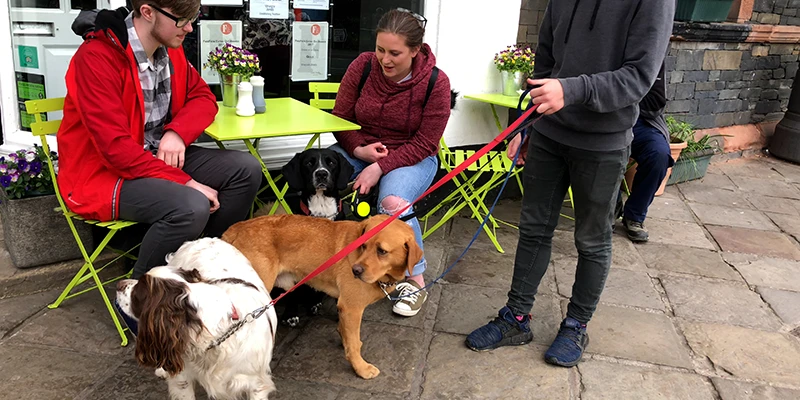
Dogs are a common and cheerful sight throughout Bowness, welcomed in most pubs and along the lakeshore. The town has an easygoing, sociable atmosphere, and its walkable streets and waterfront make it a pleasure for visitors traveling with their pets, who are as much a part of the holiday scene here as anywhere in England.
The world of Beatrix Potter, the author of Peter Rabbit, is a very popular attraction right in the center of town, with many displays illustrating the rich life of the writer and illustrator who lived and worked in this part of the Lake District. It is a favorite with families and a reminder of the deep literary associations of the region, which inspired not only Potter but the poet William Wordsworth and many others.
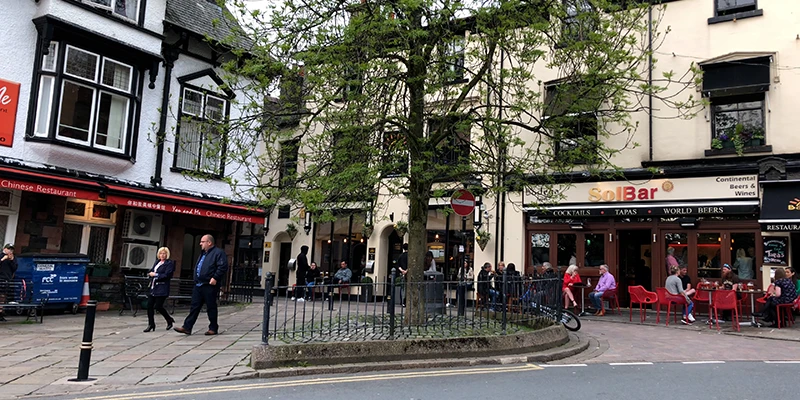
The town is at its most magical in the evening. During the day you are likely to be out touring the Lake District's scenery, returning in the afternoon for some shopping, and by evening the town comes alive with its restaurants and pubs. It is especially lovely on a damp evening after a little rain, when reflections shimmer on the streets and the lighting glows warm against the wet cobbles.
If you find yourself out at twilight after a gentle rain has stopped, a walk around town is highly rewarding, with sparkles of light in the wet sidewalks and cobblestones and a soft glow in the sky. Bowness-on-Windermere makes an ideal base for exploring the wider Lake District, with its abundance of hotels, shops and restaurants, and its own considerable charms as one of the most rewarding towns in the north of England.