Scroll To Top

Görlitz

Germany's Best-Kept Medieval Secret

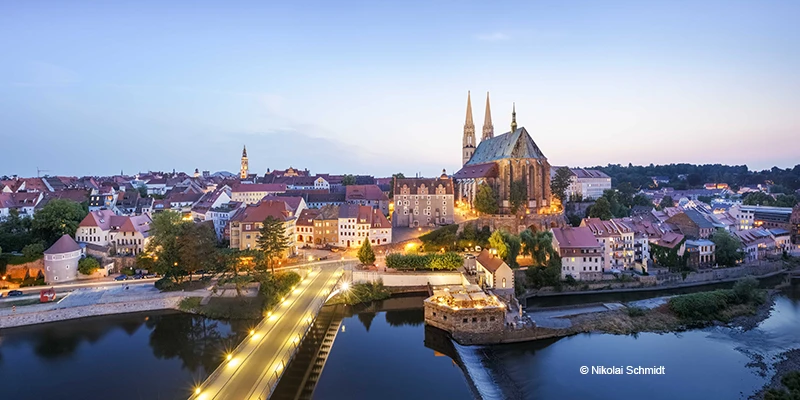
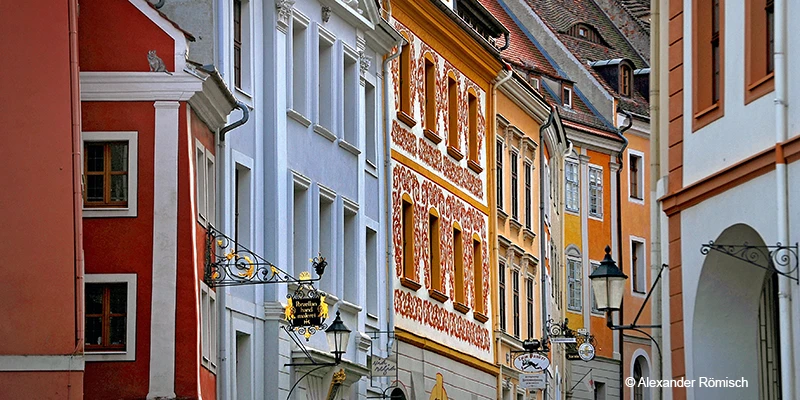
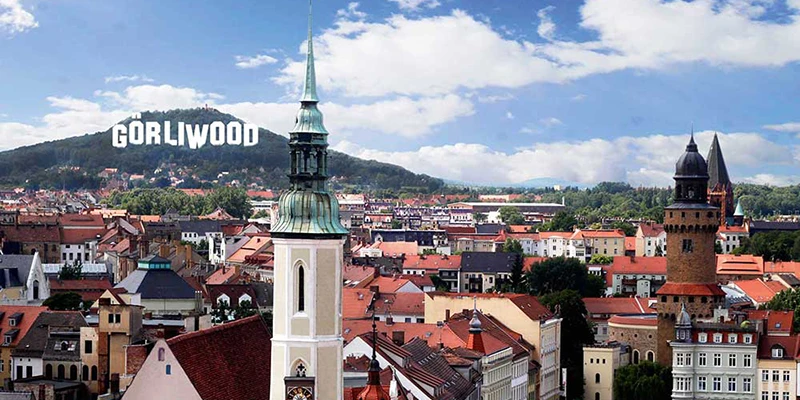
Görlitz is Germany's easternmost city, positioned on the Polish border along the Lusatian Neisse River in Saxony. This UNESCO candidate city contains over 4,000 protected buildings representing more monuments than any other German town. The remarkably preserved architecture spans Gothic, Renaissance, Baroque, Neoclassical, Historicism, and Art Nouveau periods, largely intact because the city was spared major destruction during World War II. Hollywood directors have embraced Görlitz as a filming location, earning it the nickname "Görliwood" for its authentic medieval streetscapes.

The Official Tourist Information website has a large amount of information about the city and surroundings, including sights, accomodations, dining, tours, scenic routes, free brochures, maps and more.

This interactive Google My Map shows locations with information which can be displayed by clicking on the symbols.

The map can be used on your phone or tablet when visiting a city, showing you where to go and describing the sights. You are welcome to make a copy as described here. Görlitz can be visited as a daytrip from Dresden, 80-minutes by train.

The Official Tourist Information website has a large amount of information about the city and surroundings, including sights, accomodations, dining, tours, scenic routes, free brochures, maps and more.

Historic Market Squares

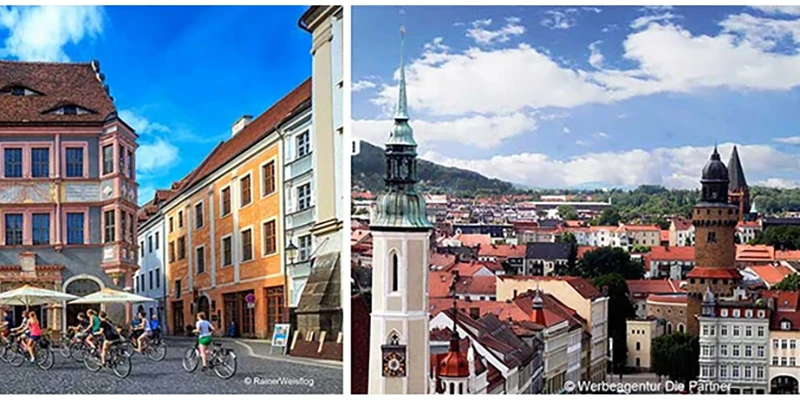
Obermarkt serves as the largest square in Görlitz's historic center, surrounded by pastel-colored homes and shops that showcase the architectural wealth of this UNESCO candidate city. The square features the Reichenbach tower on one end and the Holy Trinity Church on the other end, creating a magnificent frame for this rectangular plaza. Visitors can explore the incredible architecture while browsing shops and cafés that line the square. The tourist office is located here for those wanting to pick up self-guided film tour brochures or city information.

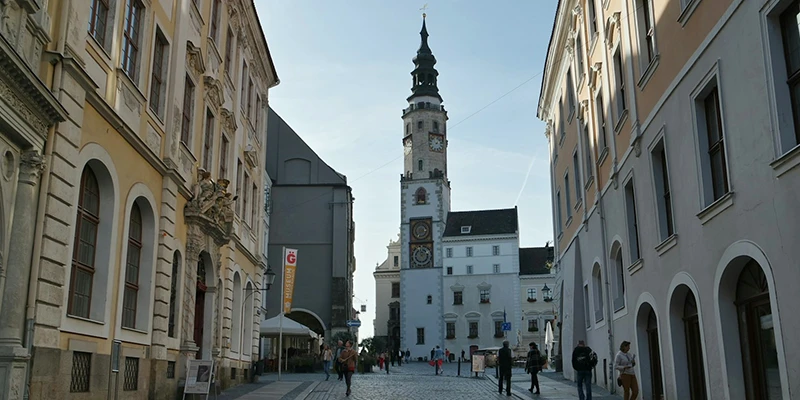
Untermarkt forms the heart of Görlitz's historic old town, lined with beautiful Renaissance buildings and divided by a row of buildings in the center called die Zeile. During warm seasons, visitors can find people sitting at outdoor cafés and restaurants in the evenings, enjoying the magical atmosphere of this historic market with its cobblestone streets and arcades. The square features the impressive Rathaus complex with its elaborate tower, the historic Ratsapotheke with beautiful sundials, and the famous "Whispering Arch" where acoustic effects allow whispered conversations to be heard clearly across the archway.

Shopping Streets and Urban Areas

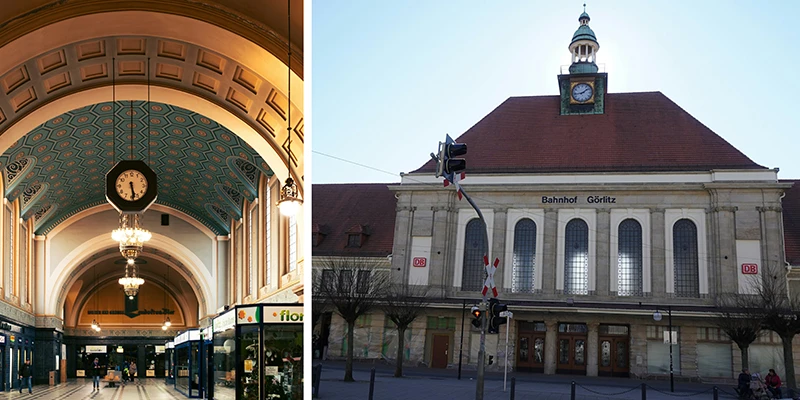
Berliner Strasse functions as Görlitz's main shopping street, connecting the train station with the historic city center and the Postplatz, serving as a pedestrian zone since 1984 with numerous shops, cafés, and restaurants. This boulevard underwent extensive renovation between 2010 and 2012 to revitalize the area, with the upper section remaining open to delivery and bicycle traffic while clearly separating tram lines from pedestrian walkways.

Jakobstrasse forms part of the historic commercial district with traditional storefronts and local businesses operating within centuries-old buildings that maintain their original architectural character. This narrow cobblestone street offers visitors an authentic shopping experience while browsing local crafts, books, and specialty items surrounded by Gothic and Renaissance facades that transport visitors back through European history.

Neissstrasse serves as another important shopping corridor in the historic center, featuring a mix of local boutiques, traditional German shops, and cafés housed within beautifully preserved medieval and Renaissance buildings. The street connects major cultural attractions including the Kulturhistorisches Museum and provides easy access to the riverside promenade, making it a popular route for tourists exploring the old town on foot.

Steinstrasse features charming shops and galleries located near the Annenkapelle, creating a cultural shopping experience where visitors can purchase local art, antiques, and handcrafted items. The street's proximity to major religious and historical sites makes it a natural stopping point for tourists seeking unique souvenirs while exploring the medieval quarter of this UNESCO candidate city.

Historic Towers and Fortifications

Dicker Turm earned its name from its massive construction, standing 46 meters high with walls reaching up to 5.34 meters thick at the base, making it the most massive tower in the city. Built around 1250 during city expansion, it formed the southern portal together with the adjacent Frauengate. The tower features a sandstone relief depicting the coat of arms granted by Emperor Sigismund after Görlitz remained loyal during the Hussite Wars.

Hotherturm stands as the last remaining corner bastion of Görlitz's original city wall system, representing one of 30 bastions that once protected this medieval trading city. This two-story tower features a three-quarter round ground plan and was constructed in the second half of the 13th century as a crucial defensive position. The preserved structure demonstrates the massive construction techniques employed by medieval builders.

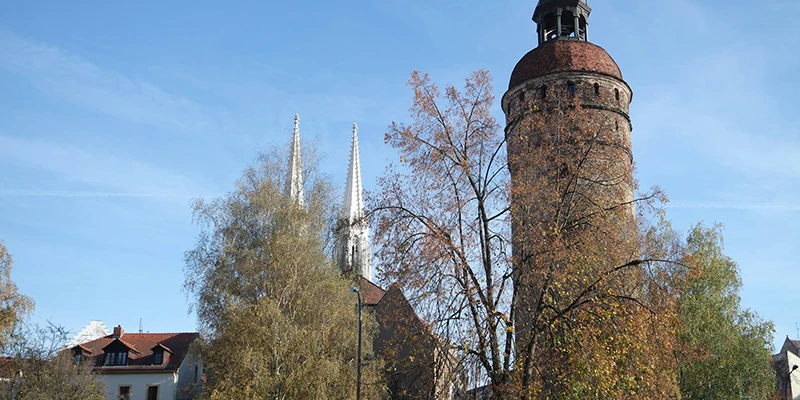
Nikolaiturm stands as the oldest fortification in Görlitz, built around 1250 as part of the original city defenses and first mentioned in official documents in 1348. This 45-meter-tall tower served as part of a city gate in the Nikolaivorstadt, the oldest part of the city, with walls reaching 2.86 meters thick at the base. Until 1904, a tower keeper lived in the Türmerstube inside the tower, responsible for watching for fires and enemies.

Reichenbacher Turm rises as the highest watchtower in Görlitz at 51 meters, standing directly opposite the Kaisertrutz as part of the western city fortifications. First mentioned in 1376, this impressive structure began as a lower gate tower with a quadratic base section, later expanded with an octagonal section topped by a cylindrical tower portion. Visitors can climb 165 steps across seven floors to reach panoramic views.

Architectural Masterpieces

Rathaus has served as the city's administrative and judicial center since 1350, utilizing several buildings from different epochs on the Lower Market Square. The complex consists of the old town hall dating back to the Renaissance period with beautiful painted wood ceilings and an inner courtyard, plus the impressive Rathausturm built in the 16th century. The tower features elaborate clocks with two dials joined by Bartholomäus Scultetus in 1584, connecting day time mechanisms with an upper moon phase clock. The curved Renaissance staircase built by Wendel Roskopf in 1537 is considered a masterpiece of early German Renaissance architecture.

Schönhof stands as one of the oldest Renaissance buildings in Germany and certainly one of the most beautiful buildings in Görlitz, now housing the Silesian Museum where visitors can learn about the eventful history and rich culture of the Silesia region. Built in 1526 immediately after the city fire of 1525, this red building cannot be missed in front of the Rathaus with its impressive facade and historical significance. After extensive restoration completed in 2006, the character of the building is determined by original spatial structures, wall plaster and decorations created during the Renaissance period.

Waterfront and Natural Recreation

Berzdorfer See extends across 960 hectares of glittering water surface with depths reaching 72 meters, creating an impressive nature and recreation resort just minutes from Görlitz's historic old town. This artificial lake was created from a former lignite mining area that has been transformed into a paradise offering sandy beaches, water sports, sailing, windsurfing, stand-up paddling, and swimming opportunities. The lake features multiple beach areas including the Nordstrand and Blaue Lagune with fine sandy beaches.

Landeskrone rises 420 meters above the surrounding landscape as Görlitz's local mountain and a visible landmark that can be seen from miles around this basalt volcanic cone. Visitors can reach the summit via tram to the base followed by a scenic hike through beautiful forest paths, or by bicycle along well-marked trails. The mountain offers spectacular panoramic views over Görlitz, the Berzdorfer See, and the broader Upper Lusatian landscape.

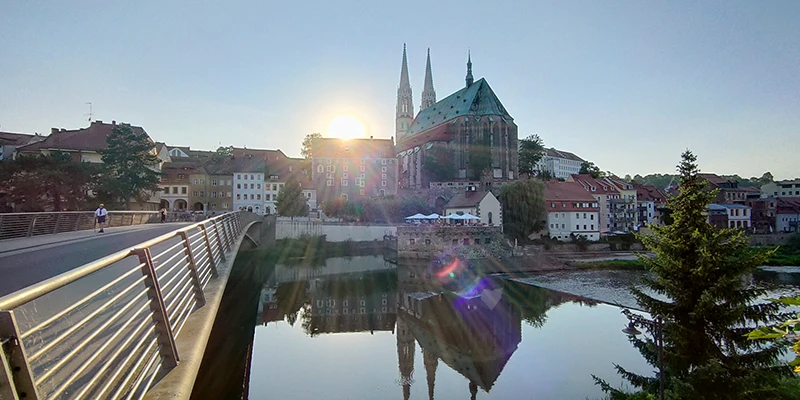
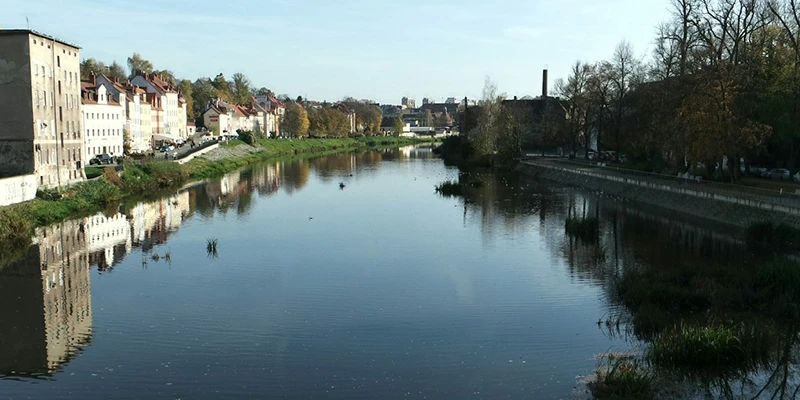
Neisse River Waterfront creates a natural border between Germany and Poland, providing scenic waterfront areas perfect for leisurely walks and river activities while offering unique views of both Görlitz and its Polish twin city Zgorzelec. The river promenade allows visitors to enjoy peaceful strolls along the water while taking in the historic architecture from a different perspective. Boat tours on the wild and romantic Neisse are particularly popular with families and nature enthusiasts.

More Urban Squares

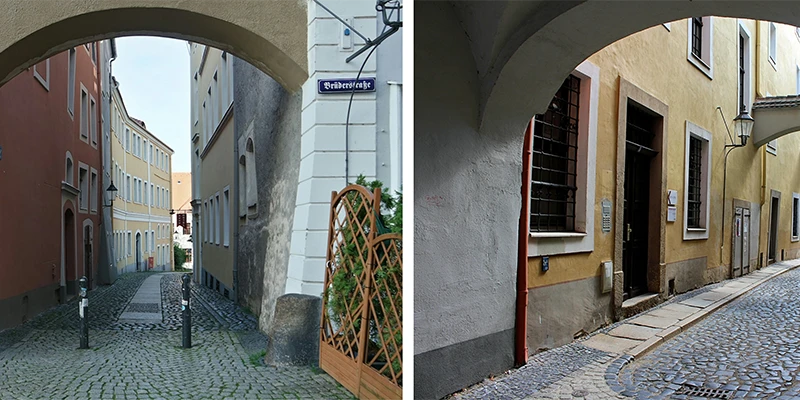
Brüderstrasse Square forms a charming intersection where several historic streets converge, creating natural gathering spaces surrounded by Renaissance and Baroque buildings that house local shops and restaurants. This smaller square demonstrates the organic development of medieval cities, where commercial and residential areas blended seamlessly to create vibrant neighborhood centers that continue to serve the community today. Demianiplatz represents one of Görlitz's important urban squares, strategically located to provide access to multiple cultural and historic attractions while serving as a transportation hub.

Elisabethstrasse Plaza represents a quieter residential square that showcases typical Görlitz architecture with its mix of Gothic and Renaissance buildings, many featuring the elaborate facades and decorative elements that make the city a favorite filming location. The plaza serves as a neighborhood focal point where locals gather and visitors can experience authentic daily life in this living medieval city.

Fleischerplatz represents one of the smaller medieval market squares where guild activities once flourished, now featuring restored buildings that house artisan workshops and specialty shops. The square maintains its historic character through careful preservation of original cobblestone surfaces and architectural details while adapting to serve contemporary cultural and commercial functions within the UNESCO candidate historic center.

Handwerkerplatz celebrates the city's traditional craftsmanship heritage through its surrounding buildings that once housed medieval guilds and continue to serve contemporary artisans and craftspeople. The square features architectural elements that demonstrate the importance of skilled trades in Görlitz's economic development while providing modern venues for cultural events, markets, and demonstrations of traditional building techniques and artistic practices.

Hospitalplatz connects the historic center with newer residential areas while maintaining the architectural harmony that characterizes Görlitz's urban development. This transitional square features buildings from different periods that demonstrate how the city has grown and evolved while preserving its medieval character through careful urban planning and architectural preservation efforts over many centuries.

Jüdenstrasse Square marks the historic center of Görlitz's former Jewish quarter, providing context for understanding the multicultural heritage that once flourished in this border city. The square connects visitors to important Jewish heritage sites including the preserved Mikvah and leads toward the restored synagogue, creating educational opportunities about the complex religious and cultural history of this Central European region.

Klosterplatz creates an intimate medieval square surrounded by historic buildings and featuring the ornate Klosterbrunnen fountain from 1905, providing visitors with a peaceful gathering space away from the busier tourist areas. The square's cobblestone surface and preserved architecture offer authentic glimpses into medieval urban planning while serving as a venue for small cultural events and community gatherings throughout the year. Marienplatz serves as a significant urban square surrounded by important architectural landmarks including the Annenkapelle.

Nikolaiplatz forms the heart of the historic Nikolaivorstadt district, surrounded by well-preserved medieval buildings that demonstrate the architectural evolution of this ancient quarter. The square serves as a starting point for exploring the city's defensive walls and towers while providing access to the peaceful Nikolaizwinger gardens through its network of interconnected historic pathways.

Petersplatz surrounds the elevated St. Peter and Paul Church, offering dramatic views over the Neisse River and the Polish city of Zgorzelec while serving as a ceremonial space for religious and cultural events. The square's strategic position on the church hill provides visitors with panoramic perspectives of both countries and creates a natural gathering point for concerts and festivals throughout the year.

Postplatz functions as an important transportation and commercial hub, serving as a connection point between the historic city center and the main shopping street Berliner Strasse.

Stadtpark, which provides a verdant oasis in the heart of Görlitz offering residents and visitors expansive green spaces for recreation.

Museums and Learning Centers

Gerhart-Hauptmann-Theater serves as Görlitz's premier performing arts venue, named after the Nobel Prize-winning playwright and native son of Silesia, presenting a diverse program of drama, opera, operetta, and musical productions throughout the theatrical season. This historic theater building represents the cultural heart of Görlitz's artistic community, providing a professional stage for both established and emerging performers.

Kaisertrutz stands as a massive 15th-century circular bastion that once marked the main gateway to the medieval city and now serves as home to Görlitz's municipal museum. This imposing defensive structure represents one of the best-preserved examples of late medieval urban fortification in Central Europe, demonstrating the military architecture that protected prosperous trading cities during turbulent periods.

Kulturhistorisches Museum houses one of the world's most beautiful libraries, the Upper Lusatian Library of Sciences, arranged with beech shelves in the middle of rooms instead of along walls, creating the feeling of being on a grand stage. This baroque house contains 40,000 volumes including numerous rarities and treasures such as medieval manuscripts and incunabula (books printed before 1501). The museum complex includes multiple floors showcasing household items that vividly illustrate historical daily life.

Schlesisches Museum occupies the historic Schönhof building and presents the fascinating history and multiculturalism of Silesia through comprehensive permanent exhibitions and multimedia displays. Visitors can explore the complex cultural history of this Central European region, learning about the various kingdoms and provinces that influenced Görlitz's heritage through Bohemian, Saxon, Prussian, and Silesian traditions. The museum features remarkable collections including coal miner figures carved from actual coal and various depictions of the legendary mountain spirit Rübezahl.

Senckenberg Museum für Naturkunde combines nearly 200 years of natural history research and scientific collections in a modern facility, presenting the beauty and diversity of Upper Lusatian nature through comprehensive exhibitions and interactive displays. This branch of the renowned Senckenberg research institutes showcases the geological, botanical, and zoological heritage of the border region between Germany, Poland, and Czech Republic.

Religious and Cultural Sites

St. Peter and Paul Church stands perched high above the Lusatian Neisse river as a landmark of Görlitz, tracing its origins back to an 11th-century castle church and representing the largest Gothic church of its kind in Saxony. The church's special attraction is the famous Sonnenorgel (sun organ) built by Eugenio Casparini in 1697, featuring 17 "suns" of radially arranged pipes with spectacular capabilities including the ability to imitate animal voices such as cuckoo and nightingale calls. This impressive organ draws visitors from around the world who can attend regular organ concerts held on Sundays, Tuesdays, and Thursdays at noon during the tourist season.

Dreifaltigkeitskirche represents one of Görlitz's most remarkable religious buildings, completed in 1245 as the oldest structure in the Obermarkt having survived the devastating fires that swept through the city throughout the ages. While the exterior appears unassuming, the interior reveals one of the most spectacular church interiors in Germany, with walls covered in centuries-old art that has been painted and re-painted throughout the years.

Frauenkirche originally stood outside the medieval city walls, evolving from a small chapel dedicated to the Virgin Mary into a magnificent late Gothic sacred building during the 15th century. This unified hall church with three naves represents one of the principal works of late Gothic architecture in Upper Lusatia, featuring the finest stonework at the portal and throughout the interior spaces. The church's historical significance extends beyond its architectural merits, as it became the first church in Görlitz to open its doors for peace prayers during the Peaceful Revolution of October 1989.

Görlitzer Synagoge stands as one of Germany's most significant Jewish architectural monuments, built between 1909 and 1911 in a magnificent mixture of neoclassical architecture and Art Nouveau interior design with space for 600 worshippers. During Kristallnacht on November 9, 1938, the synagogue was set on fire but survived largely intact because the Görlitz fire department received orders to let Jewish buildings burn too late and successfully extinguished the flames. After extensive restoration work was completed, the building reopened in 2008 as an interfaith cultural and meeting center called the Kulturforum Görlitzer Synagoge.

Heiliges Grab represents a remarkable 15th-century replica of the Holy Sepulchre from Jerusalem, built beginning in 1465 under Bürgermeister Georg Emmerich and completed in 1504. This faithful reproduction is considered the most accurate replica of the Holy Sepulchre from the Old City in Jerusalem, created during the late medieval period when pilgrimages to the Holy Land were dangerous and expensive. The complex has remained undamaged since its construction over 500 years ago.

Historic Parks and Garden Areas

Nikolaizwinger represents one of two preserved remnants of the double city wall ring around Görlitz, now transformed into a beautiful green space located at the entrance of Nikolaistrasse to Nikolaivorstadt. In 1953-54, garden architect Henry Kraft redesigned the Nikolaizwinger into a garden as part of the National Reconstruction Work, with citizens of Görlitz contributing countless volunteer hours. The park features three distinct garden areas including the Wall Garden and terraced landscapes.

Ochsenbastei forms part of the former city fortifications near St. Peter's Church, featuring a beautifully maintained baroque-style garden created between 1962 and 1963 according to designs by garden director Henry Kraft. The preserved round bastion structure now serves as a meeting place for heritage preservation groups while the surrounding Ochsenzwinger provides a charming public green space with excellent views across the Neisse River.

Additional Historic Buildings and Attractions

Annenkapelle was built between 1508 and 1511 by master builder Albrecht Stieglitzer as a memorial chapel for the Görlitz merchant Hans Frenzel the Rich, one of the city's wealthiest citizens during the Renaissance period. Dedicated to Saint Anne, Frenzel's patron saint, this late Gothic structure represents one of the finest examples of private religious architecture in Upper Lusatia. Since 1871, the building has functioned as a gymnasium and auditorium for the adjacent Anne School.

Biblisches Haus represents a significant Renaissance building in Görlitz's old town, featuring elaborate biblical reliefs and decorative elements that give the structure its distinctive name. This historic building showcases the wealth and artistic sensibilities of Görlitz's merchant class during the Renaissance period, with detailed stone carvings depicting biblical scenes integrated into the facade.

Historic Fountains throughout the city feature several notable fountains including the Engelbrunnen und Teufelbrunnen at Marienplatz, created by artist Veronica von Appen and located near the Annenkapelle. The Klosterbrunnen at Klosterplatz dates to approximately 1905 and represents one of Görlitz's most ornate historical water features, distinguished by its octagonal design enclosed by a richly decorated hand-forged iron railing. The Karpfengrund-Brunnen features two carp heads spitting water into a granite basin, creating both visual interest and soothing sounds.

Historischer Nikolaifriedhof serves as one of Görlitz's most atmospheric and historically significant burial grounds, where visitors can explore centuries of local history through elaborate tombstones, family monuments, and funerary art. This romantic cemetery contains the grave of Jacob Böhme (1575-1624), the famous mystic and philosopher who was born in Görlitz and whose theological and philosophical writings influenced German intellectual life.

Mikvah represents one of the most significant archaeological discoveries related to Görlitz's medieval Jewish community, providing tangible evidence of religious life that flourished here during the 14th and 15th centuries before the Jewish population was expelled from the city. This ritual bath was built according to strict halachic requirements and demonstrates the establishment of a fully functioning Jewish community.

Neptunbrunnen stands as one of Görlitz's most artistic fountains on the Untermarkt, featuring an intricate design created by stonemason Georg Mattausch based on an original concept by Johann Friedrich Wilhelm von Charpentier. The fountain showcases the Roman sea god Neptune standing elevated at the edge of the basin, holding a trident that locals historically mistook for a wooden fork, earning Neptune the affectionate nickname "Gabeljürgen" (Fork George).

Vogtshof was originally built as a seat for the sovereign officials of Upper Lusatia and has served various purposes throughout its history, functioning as garrison barracks, prison, and now student dormitory. Following extensive renovations between 1994 and 2000, it was converted into a student residence operated by the Dresden Student Services, providing 242 sleeping places for students at Zittau-Görlitz University.

Waidhaus stands as the oldest secular building in Görlitz, also known as the Renthaus, with a history stretching back to the first half of the 12th century when it served as an economic court for the sovereign's castle. The building gained its current name when it served as a warehouse for woad (Waid), the important dye plant used in cloth production, after Görlitz received staple rights in 1339. After restoration from 1993-94, the Waidhaus now houses the Monument Academy.