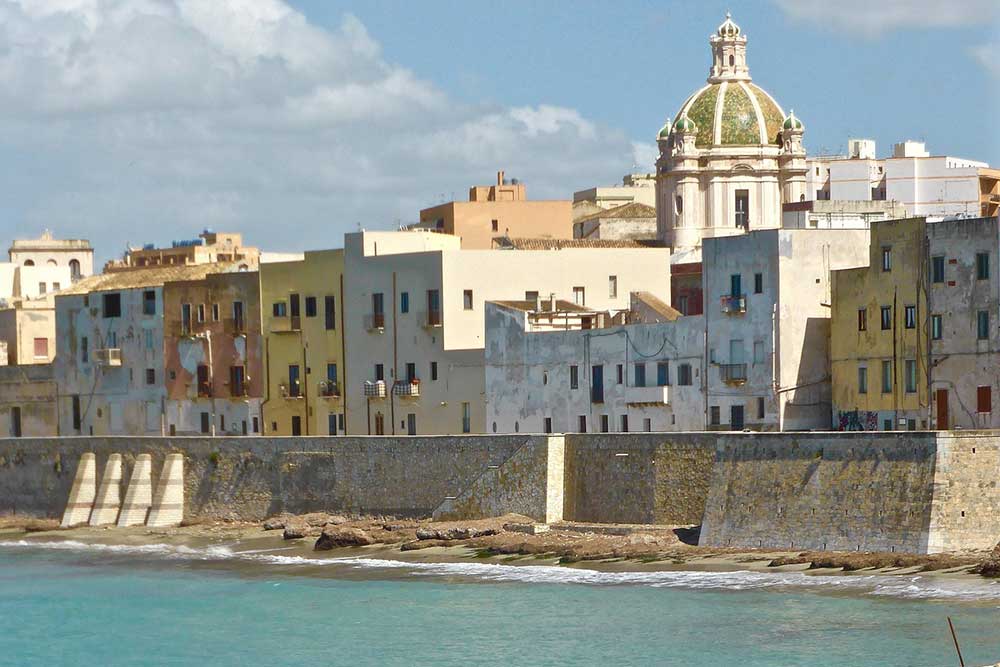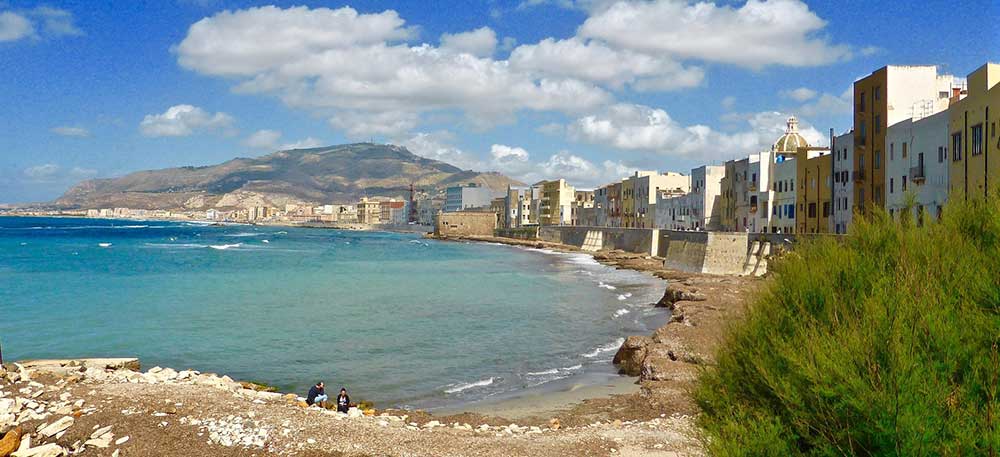
Trapani occupies a curved peninsula in western Sicily where the land extends into the sea, forming a natural harbor that has defined its role as a maritime settlement for centuries. The city comprises a compact historic core on the peninsula surrounded by waterfront areas, with newer districts expanding eastward onto the mainland. The flat coastal terrain rises gradually inland, and the urban layout integrates defensive structures, religious buildings, and public spaces serving both residents and visitors. The city's manageable size encourages exploration on foot, with attractions organized into distinct geographic zones reflecting its history from ancient times through Arab, Norman, and Spanish influences.
This interactive Google My Map shows locations of attractions with information that can be displayed by clicking on the symbols. It has a sidebar index and displays best in full-frame by clicking the box in top-right. You are welcome to make a copy as described here. There are many hotels listed in the map with contact information. My hotel choice is Re Sale Boutique Hotel.
The Official Tourist Information website has a large amount of information about the city and surroundings, including sights, accomodations, dining, tours, scenic routes, free brochures, maps and more.
This well-preserved medieval hilltop village just east of Trapani, sits accessible by road or cable car. The village features narrow cobblestone streets, ancient churches, and Norman-built Venus Castle offering spectacular panoramic views overlooking Trapani, the coastline, and salt flats. The medieval character and elevated position make it a popular day trip destination. It is so fascinating this is reason enough to come to Trapani.
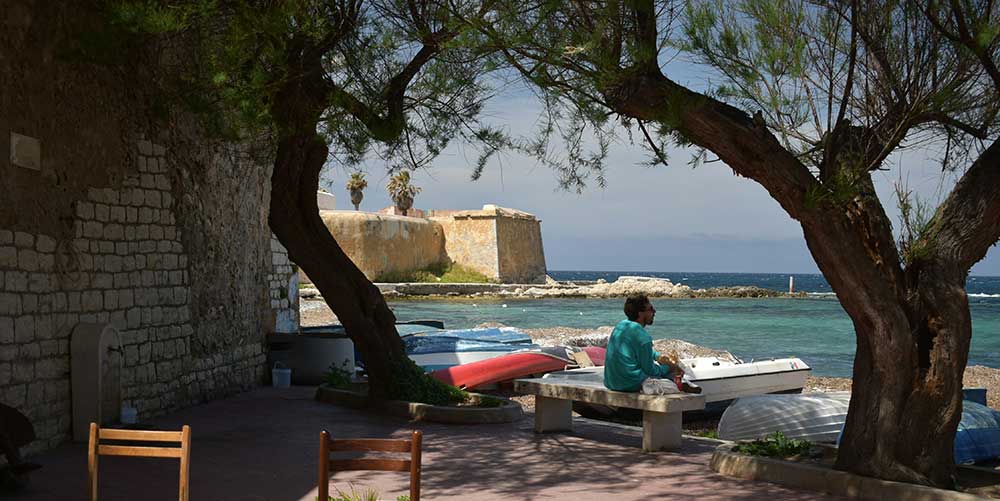
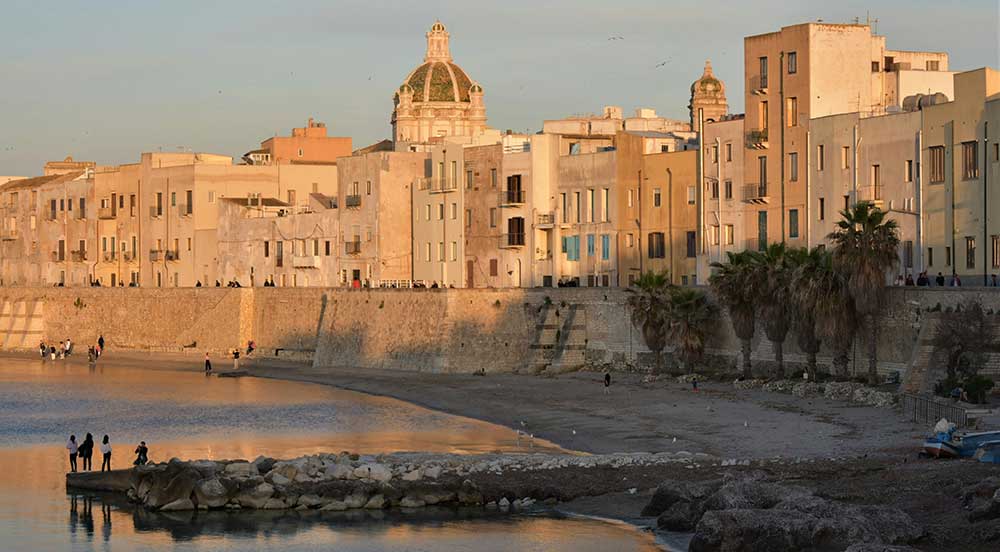
The historic center of Trapani is situated on the narrow peninsula between the Tyrrhenian and Mediterranean seas, forming the core of Trapani's identity. This district preserves a grid of streets established during medieval times and refined under Spanish rule, with buildings showcasing Norman, Arab, and baroque architectural influences. Many structures feature ornate balconies supported by carved stone brackets, creating a cohesive aesthetic that reflects centuries of cultural exchange.
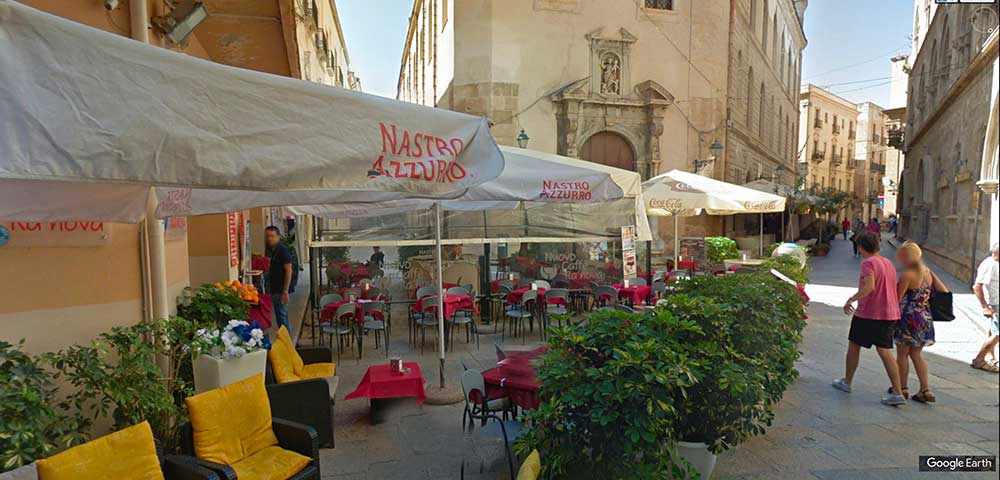
Squares within the historic center provide open spaces for rest and observation. Piazza Vittorio Emanuele at the eastern edge marks the transition to newer districts, bordered by civic buildings, trees, and benches, serving as a transport hub and venue for public events. Piazza Sant'Agostino surrounds the church of the same name, functioning as a neighborhood gathering space. Porta Oscura and Torre dell'Orologio, an ancient city gate and clock tower, mark one of Trapani's oldest entrances, with a functioning astronomical clock from 1596, one of Europe's oldest.
The Cathedral of San Lorenzo Martire features a baroque facade with columns, statuary, and a portico from eighteenth-century renovations. Inside, the cathedral follows a Latin cross plan with a single nave, marble columns, and decorated chapels containing frescoes and paintings, including one depicting the Crucifixion attributed to Van Dyck. Chiesa delle Anime Sante del Purgatorio holds significant place in Trapani's cultural life, housing twenty wooden statue groups known as the Misteri depicting scenes from the Passion of Christ. These life-sized sculptures are central to the Good Friday Processione dei Misteri, a 24-hour procession through the city that draws participants from across western Sicily.
Chiesa di Sant'Agostino, originally built in the fourteenth century as a Templar chapel, showcases gothic elements including a portal and distinctive rose window on its facade. No longer used for regular worship, the church now serves as a venue for exhibitions and concerts. The former Jewish-Arab quarter centered around Via della Giudecca preserves narrow alleys from the period before the Jewish expulsion in 1492. Palazzo della Giudecca, a sixteenth-century residence in this area, features Spanish Plateresque style with diamond-point stonework, reflecting Trapani's multicultural history.
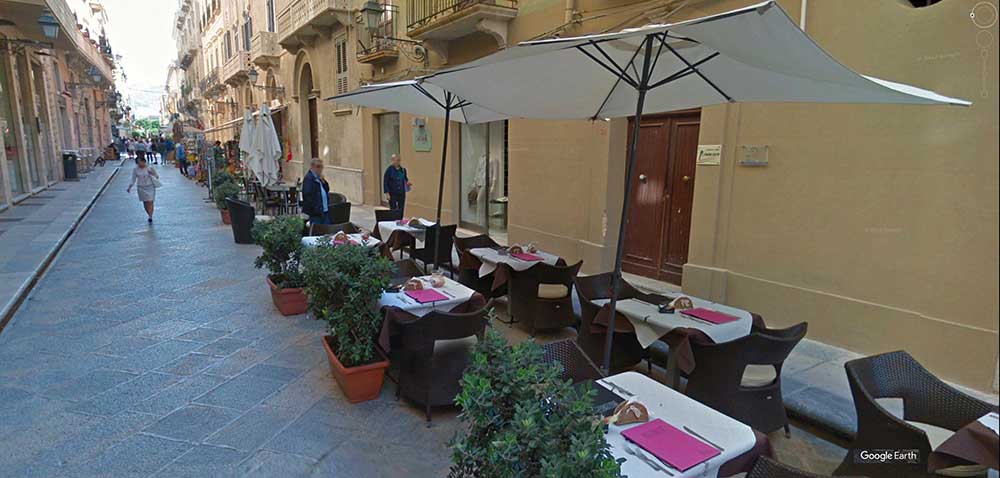
Corso Vittorio Emanuele, the main thoroughfare, stretches east to west through the center, serving as the primary commercial and social artery. Flanked by baroque palaces, boutiques, cafes, and restaurants, the street comes alive in the evenings during the passeggiata, when locals and visitors walk, socialize, and dine at outdoor tables. At the eastern end, Palazzo Cavarretta stands as a prominent baroque structure constructed in 1672 as the seat of city government, its facade displaying tiers of columns, statues representing Trapani and Erice, a clock tower, and carved coats of arms emphasizing civic pride.
Via Garibaldi provides an alternative route through the historic center, lined with restored eighteenth-century palaces, churches, and artisan shops. Ground-floor establishments include bars and local retailers, while small squares intersecting the street serve as gathering points for neighborhood activity. Via Torrearsa blends modern commerce with historic charm, with fashion stores, gelaterias, and preserved shopfronts leading toward the waterfront. Via Carolina reveals a more intimate view of Trapani's architecture with residential buildings, small shops, and hidden courtyards less frequented by tourists.
Western Tip and Waterfronts
At the western tip of the peninsula where the Tyrrhenian and Mediterranean seas converge, Torre di Ligny stands as a seventeenth-century defensive tower constructed during Spanish rule. The square stone structure now houses the Museum of Prehistory and Sea, displaying artifacts from local waters and archaeological sites. Visitors can climb to the terrace for sweeping views of the coastline, seas, and the nearby Egadi Islands, particularly striking at sunset.
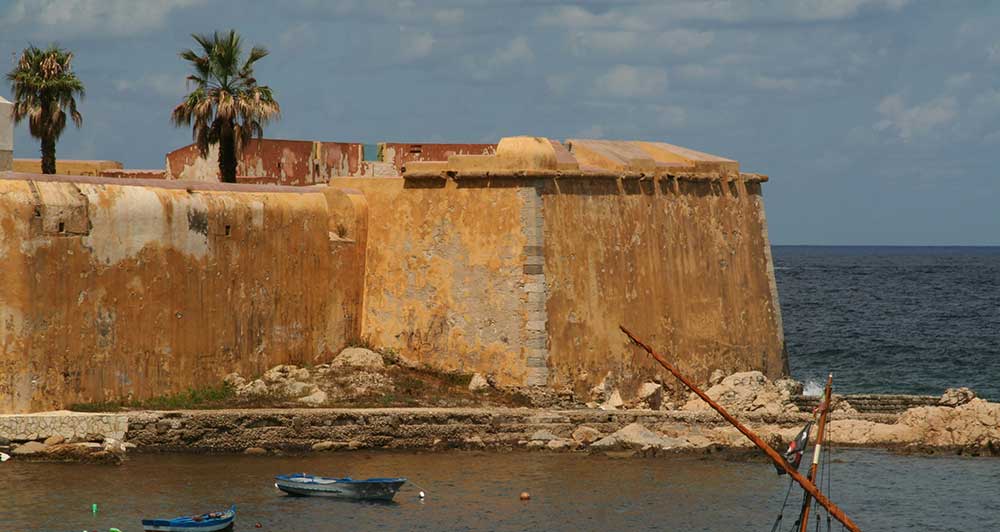
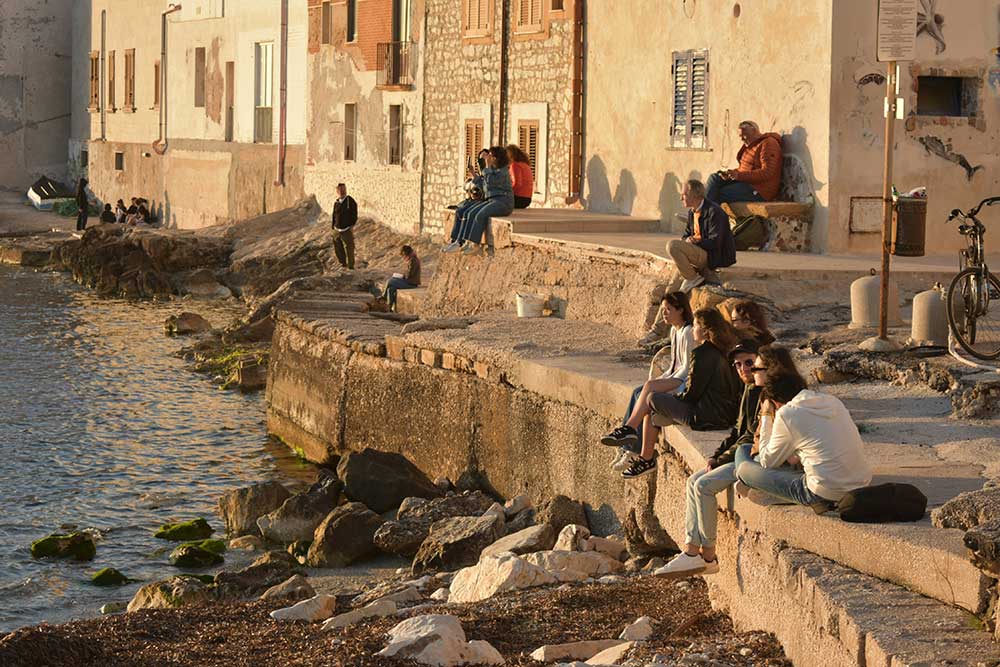
The northern waterfront features the Mura di Tramontana, a kilometer-long section of Spanish-era city walls along the peninsula's northern edge, forming a picturesque promenade for walks. The path follows bastions and viewpoints overlooking the sea, fishing boats, and the distant Mount Erice. Spiaggia delle Mura di Tramontana, a narrow stretch of sand and rocks adjacent to the walls, serves as an urban beach. Lungomare Dante Alighieri extends this promenade beyond the historic center, lined with beaches, bars, and open-air terraces suitable for walks, cycling, and views toward the Egadi Islands.
The southern waterfront includes the Mura di Mezzogiorno, Spanish-era fortifications protecting the coast with bastions projecting into the sea. Lungomare Vittorio Emanuele runs parallel, facing the salt pans and interior mountains, offering quieter paths for walks with views of traditional salt harvesting areas. Less developed than the northern promenade, this route attracts those seeking solitude and coastal scenery.
Port and Harbor
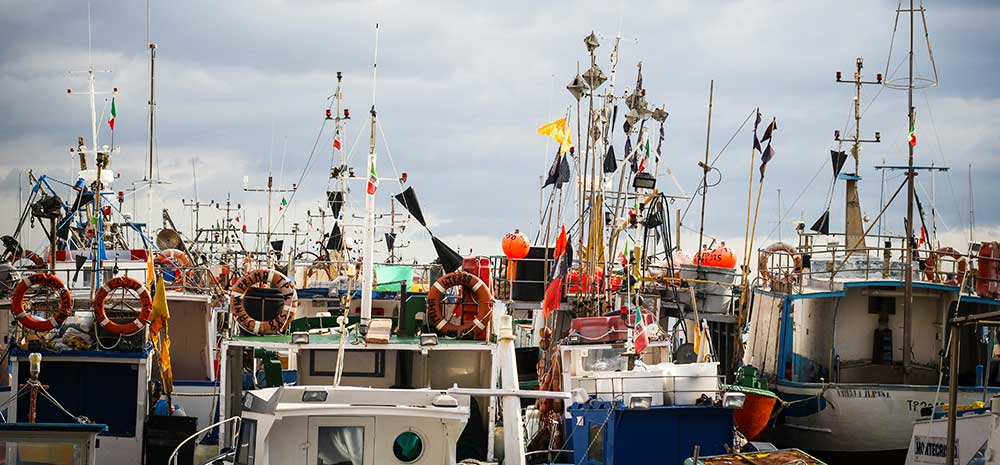
The eastern port, Porto di Trapani, functions as a working maritime zone, serving as a departure point for ferries to the Egadi Islands, Pantelleria, and Tunisia. The waterfront includes docks and promenades where locals and visitors observe maritime activity, particularly in the morning when fishing boats return. Mercato del Pesce, housed in an early twentieth-century structure near the port, displays Mediterranean catches such as tuna, swordfish, red prawns, and local fish on ice-covered tables. The market operates as a traditional hub, offering a glimpse into Trapani's fishing culture.
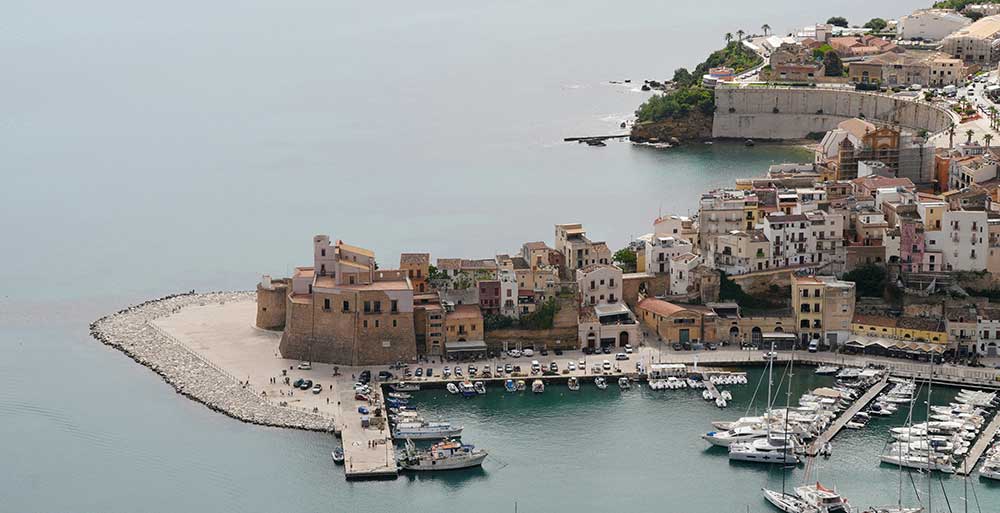
Piazza Mercato del Pesce, adjacent to the market, provides vantage points for harbor views and now hosts exhibitions, concerts, and cultural events under arches framing the sea. Chiesa di Santa Maria del Soccorso, built in the sixteenth century for maritime workers, features a simple facade and serves as the parish church for the waterfront district. Castello di Mare, or Torre della Colombaia, stands on a small island near the port, an example of medieval military architecture visible from the harbor, originally constructed during the Punic Wars and modified through medieval and Spanish periods.
Eastern Suburbs and Green Spaces
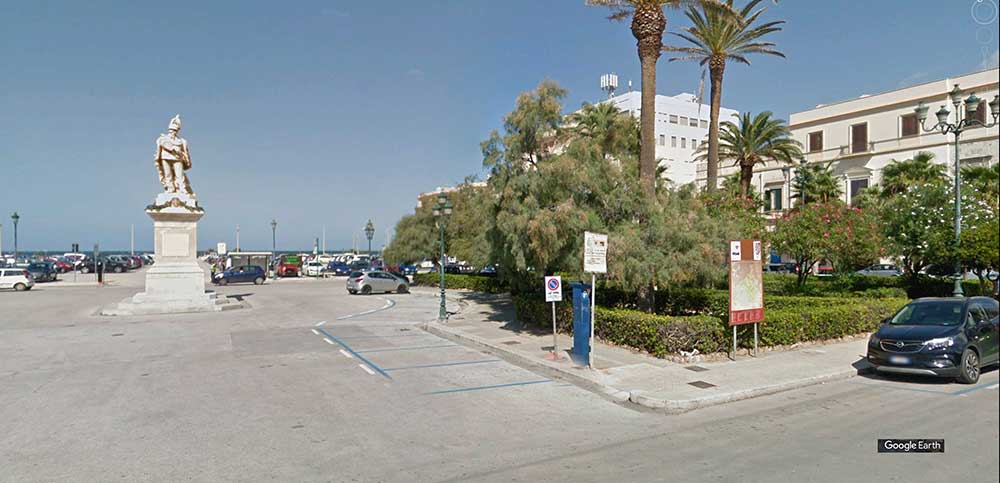
East of the historic center, newer districts expand with broader streets and modern buildings reflecting Trapani's growth beyond the peninsula. Via Giovanni Battista Fardella, the main shopping street, features a mix of local boutiques, international brands, cafes, and restaurants, bustling during the day as a commercial hub. Piazza Vittorio Emanuele, a broad plaza marking the transition between the historic center and newer districts, is bordered by lawns, cafes, and shops, acting as a hub for public events and daily interactions.
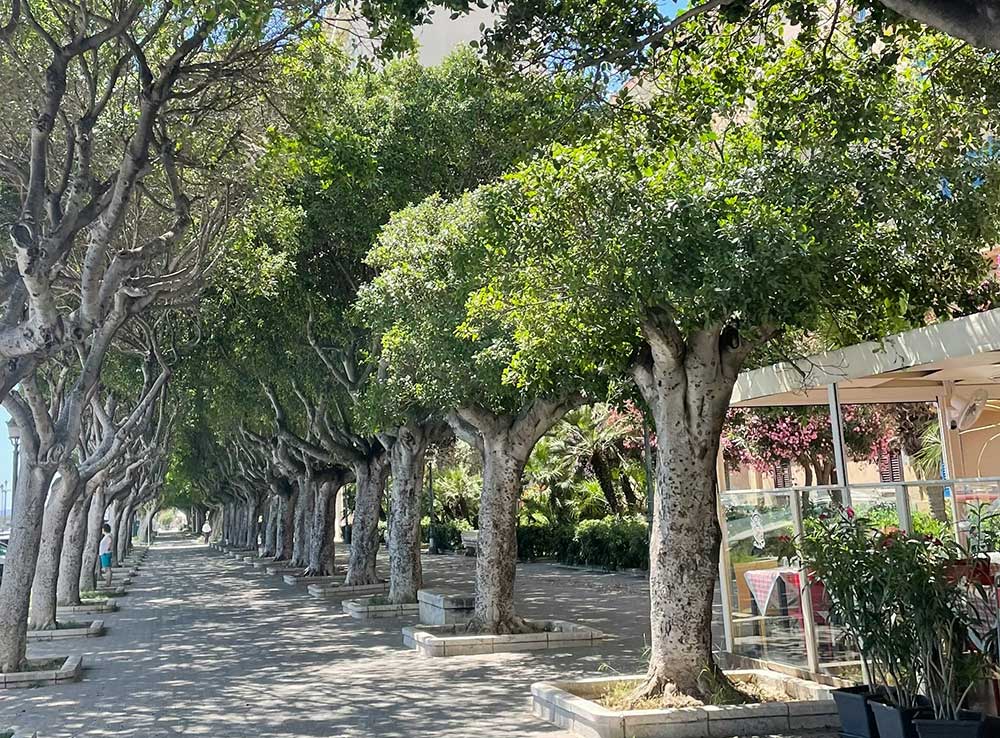
Villa Margherita, established in the late nineteenth century, occupies a triangular area east of the historic center, featuring palm trees, subtropical plants, walking paths, benches, and a bandstand for concerts. Local families use the park for recreation, particularly in the afternoons and evenings. Villa Regina Margherita provides a green retreat with century-old trees, a small lake with waterfowl, an aviary, and an open-air theater for summer musical festivals.
Day Trips
The Egadi Islands, accessible by ferry from Porto di Trapani, include Favignana known for its beaches and clear waters, Levanzo offering hiking trails and archaeological sites, and Marettimo featuring rugged terrain and marine caves.
Saline di Trapani e Paceco, a nature reserve south of the city, encompasses expansive salt pans, traditional windmills, and wetlands that attract migratory birds including flamingos. Guided visits include an on-site museum explaining the centuries-old salt production process, with walking and cycling paths offering opportunities to observe wildlife and the iconic landscape, particularly photogenic at sunset. Segesta, an inland archaeological site, houses a well-preserved Doric temple and amphitheater from Greek times, offering insight into classical architecture and history.
Practical Observations
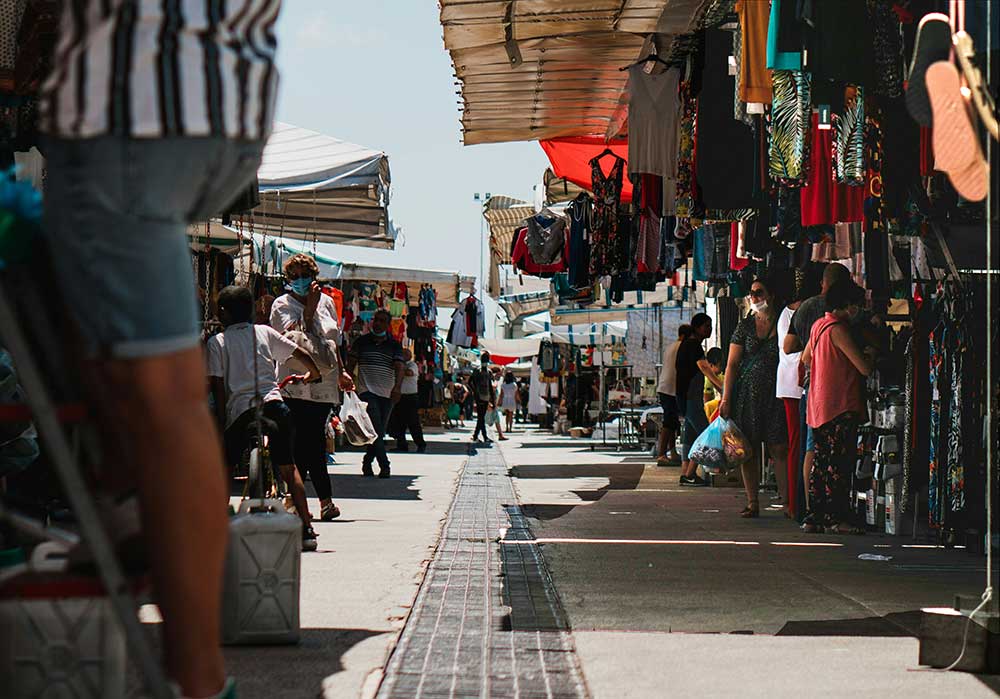
Trapani's compact historic center allows exploration on foot, with most attractions within a 30-minute walk. The peninsula's narrow shape means visitors rarely stray far from water views. Peak activity in the old town occurs during evening hours when locals participate in the passeggiata. The fish market operates most actively during morning hours when boats return. Shops typically close for afternoon hours, reopening in late afternoon and remaining open into evening.
The northern waterfront promenade provides direct walking routes from the old town to Torre di Ligny, offering continuous sea views. Ferry schedules to the islands vary by season, with more frequent service during summer months. The cable car to Erice operates regularly, though road access remains available. The salt pans lie within cycling distance, with bicycle rentals available in the city.
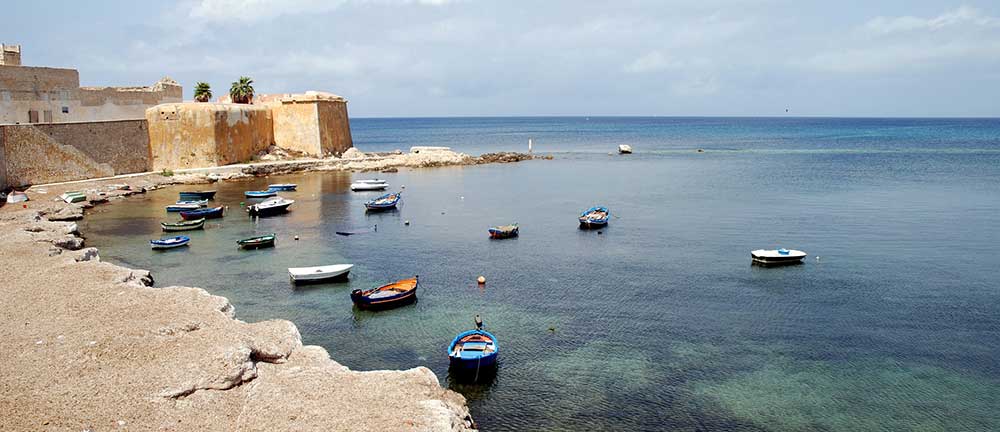
Trapani's position between seas creates exposure to wind, particularly along waterfront promenades. Summer months bring tourist concentrations to main streets and ferry terminals, while shoulder seasons offer reduced crowds with most facilities remaining operational. The city's role as a working port means maritime activity continues year-round, providing authentic atmosphere beyond tourist operations.