Central Europe by Train
Heidelberg — Munich — Salzburg — Vienna — Budapest — Prague — Nuremberg
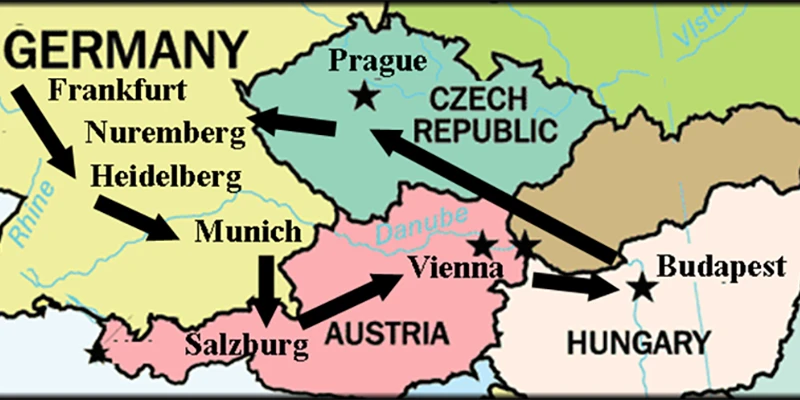
This itinerary covers seven of the most rewarding cities in Central Europe across four countries, all connected by first-class rail. This route was developed and conducted many times as a guided tour, and is presented here in full so you can follow it independently. Detailed guides to each destination are linked throughout in the headings.
Visiting some of the most interesting cities in Germany, Hungary, the Czech Republic and Austria — including Heidelberg, Munich, Salzburg, Vienna, Budapest and Prague. You will find these fascinating places are loaded with wonderful attractions. This is a summary of the trip showing how it all fits together.
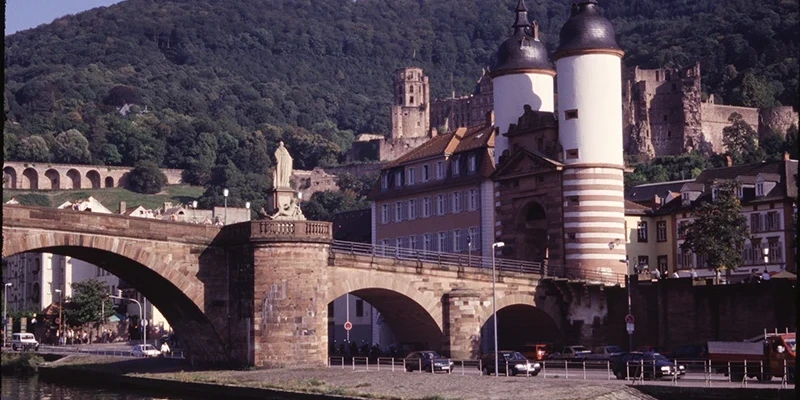
Heidelberg — 2 nights
Heidelberg is the most significant historic German city that escaped damage in World War II — Allied commanders designated it as their postwar headquarters and deliberately avoided bombing it. The result is a genuine medieval and Renaissance town, not a reconstruction, set in picture-postcard perfection along the Neckar River with a ruined castle towering above.
copy.webp)
The Old Town is compact, about a mile long and four blocks wide, entirely pedestrianized and ideal for exploring on foot. The Hauptstrasse runs its full length lined with shops, cafes and historic facades.
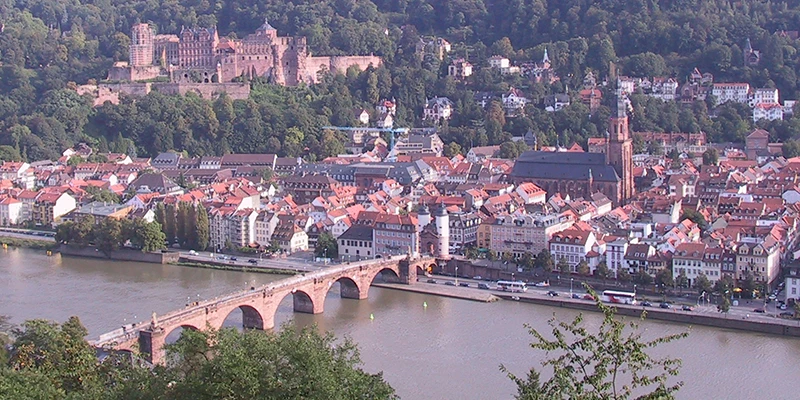
The Philosophers' Walk on the opposite bank of the river, reached via the landmark Old Bridge, gives one of the great views in Europe looking back across the town and castle.
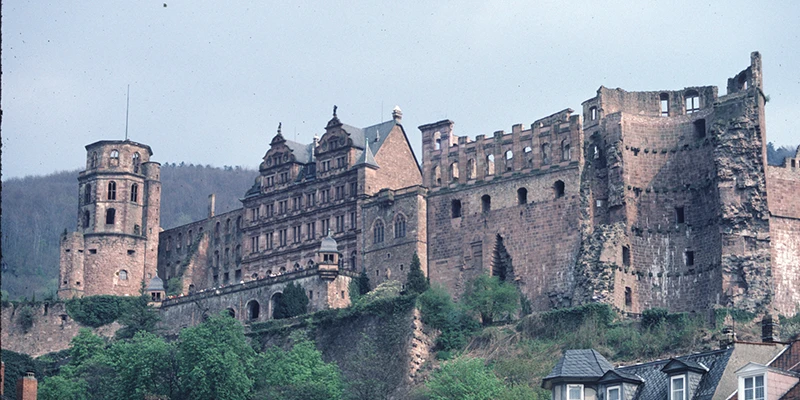
The castle itself is a romantic ruin — enough of it survives to convey the scale of the original complex, and the view down to the Old Town from the castle terrace is exceptional.
Munich — 3 nights
.webp)
Bavaria's capital is Germany's most enjoyable city, combining a compact historic center with world-class museums, a famous food market and the convivial beer hall culture that is entirely its own.
.webp)
The pedestrian zone from Marienplatz to Karlsplatz covers the essential sights on foot — the Neues Rathaus, the Frauenkirche, St. Michael's Church and the Viktualmarkt food market. Max Josephplatz, flanked by the National Theater and the Residenz Palace, is one of the grandest squares in Germany. The Alte Pinakothek and the Deutsches Museum are both among the finest of their kind in Europe.
.webp)
A day trip to Nymphenburg Palace and an evening in the Hofbräuhaus round out the experience. An optional full-day excursion to Neuschwanstein and Oberammergau is worth considering if time allows.
Salzburg — 2 nights
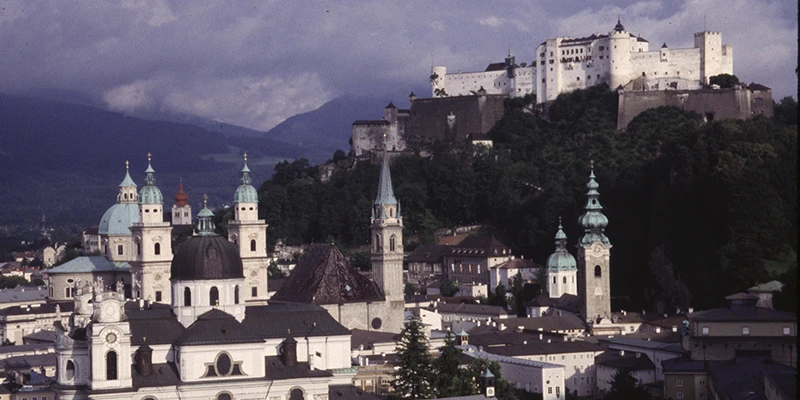
Salzburg is a city of castles, horse-drawn carriages, Baroque church towers and Mozart, all compressed into a UNESCO-listed Old Town that takes two days to explore properly. The Getreidegasse, a narrow lane of medieval facades sheltering modern shops, leads past Mozart's birthplace to the great Cathedral.
.webp)
The Hohensalzburg Fortress — claimed to be the largest and best-preserved medieval castle in Europe — dominates the hill above and rewards the climb with a panoramic view over the rooftops.
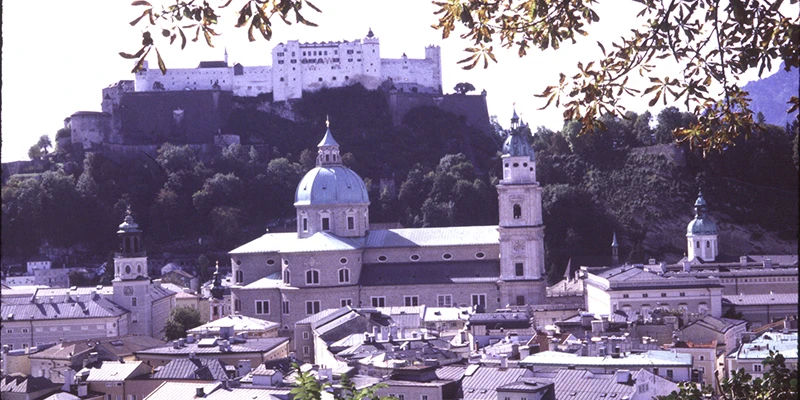
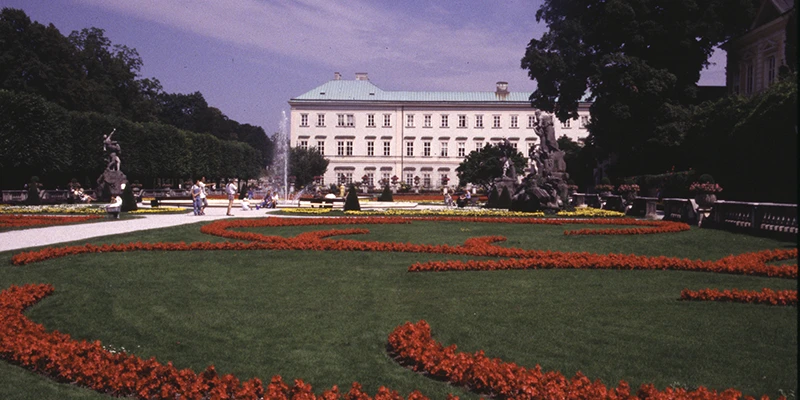
Across the river, the Mirabell Gardens are among the finest formal gardens in Austria, and a morning viewpoint on the Kapuzinerberg gives the classic postcard panorama of the Old Town and castle.
An afternoon excursion into the Salzkammergut lake and mountain district is the best optional day trip.
Vienna — 3 nights
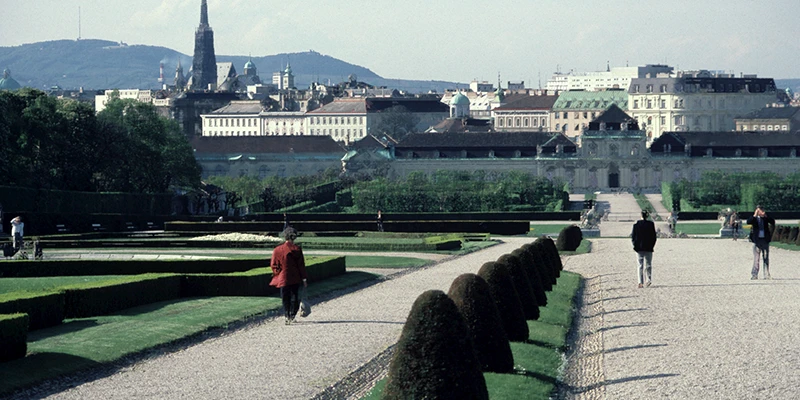
Vienna rewards three full days. The historic center, enclosed within the Ring Road that replaced the medieval city walls in the 19th century, is a compact square mile containing an extraordinary concentration of palaces, museums, churches and concert halls built during centuries of Habsburg rule.
.webp)
The Kunsthistorisches Museum holds one of the great art collections in the world — Vermeer, Velázquez, Bruegel, Rubens, Caravaggio and Rembrandt among them. Schönbrunn Palace, the imperial summer residence, is Vienna's most visited attraction and a half-day well spent.
.webp)
The Graben is one of Vienna's most famous and exclusive pedestrian boulevards, a central hub for luxury shopping, historic architecture, and Viennese social life. It is located in the inner city, starting from the Cathedral.
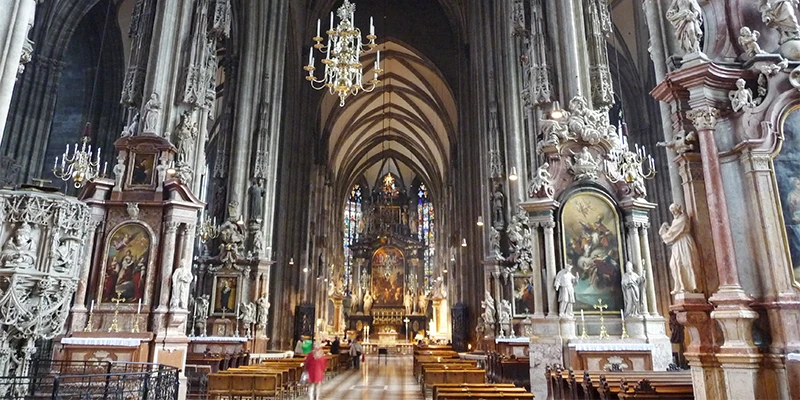
The Cathedral of St. Stephen anchors the pedestrian center, with the Kartnerstrasse shopping mall running south to the Vienna State Opera. Evenings in Vienna mean music — Mozart and Strauss concerts are performed in historic costume nearly every night.
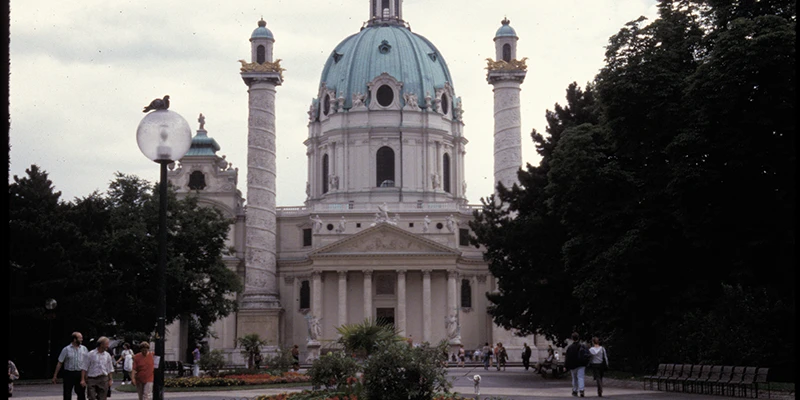
Karlskirche is a spectacular Baroque cathedral located on the south side of Karlsplatz. It is widely considered the most outstanding Baroque church in Vienna and is famous for its massive green copper dome and towering twin columns.
Budapest — 2 nights
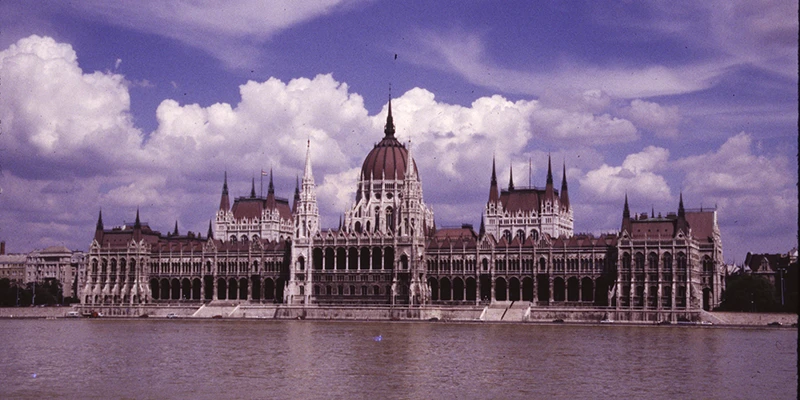
Budapest divides into two distinct cities on opposite banks of the Danube — the hilly Buda side, dominated by the Royal Palace and the medieval Castle District, and the flat Pest side, with the main shopping streets, markets and grand boulevards.
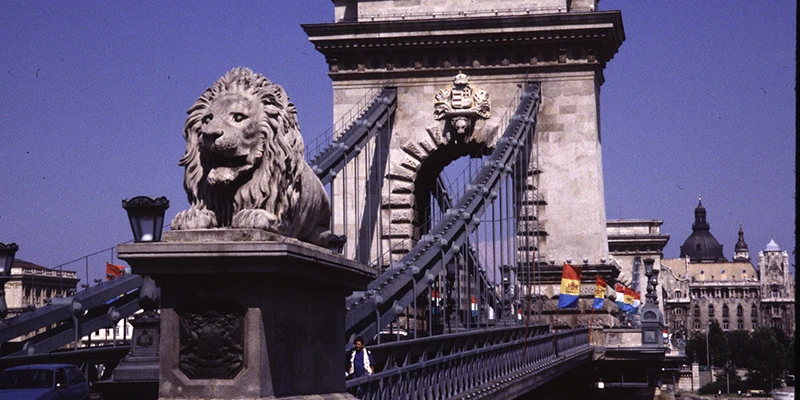
The Chain Bridge, which opened in 1849 as the first permanent crossing between the two, is one of the great landmarks of Central Europe.
.webp)
Váci utca leads from Vörösmarty Square through the heart of the Inner City to the magnificent Central Market Hall, a vast 19th century iron-and-glass food emporium. The Museum of Fine Arts near Heroes Square holds an excellent collection of Spanish and Italian Old Masters.
.webp)
The thermal baths, the Parliament building and a boat ride on the Danube fill any remaining time.
Prague — 2 nights
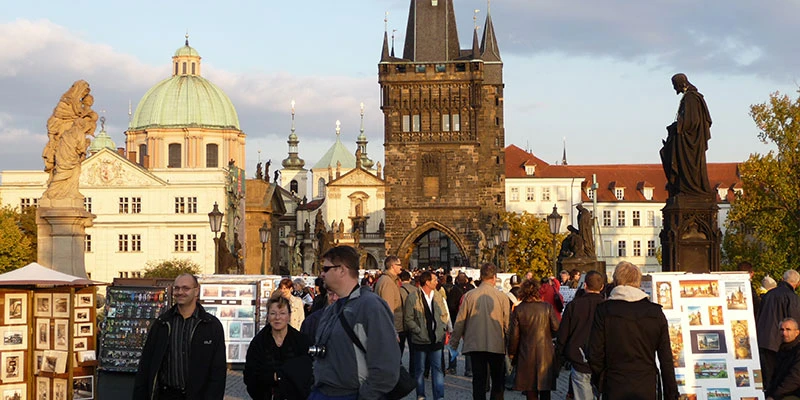
Prague is one of the few major European capitals that escaped serious damage in both World Wars, and the result is the largest intact collection of medieval and Baroque architecture on the continent.
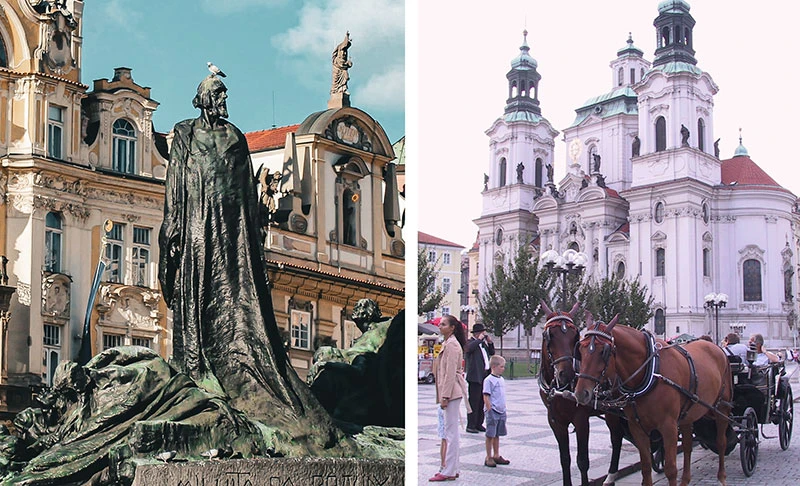
The Old Town Square, surrounded by Gothic towers and Baroque palaces, is the natural starting point. The Astronomical Clock on the Old Town Hall has been running its hourly show for over 350 years.
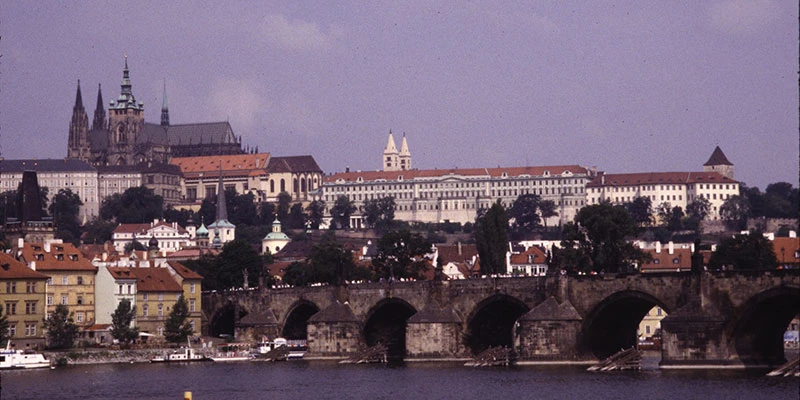
The Charles Bridge, lined with Baroque statues and crossing the Vltava to the Malá Strana district, is a destination in itself. Prague Castle and St. Vitus Cathedral — where the city began in the 9th century — occupy the hill above the river and take a full morning.
Nuremberg
.webp)
Nuremberg is the second city of Bavaria, set on the Pegnitz River in the region of Franconia. It makes a convenient stop for a day on the train route from Prague back to Frankfurt, assuming you are flying out of Frankfurt. You can leave luggage in lockers at the Nuremberg train station. Alternatively, you might skip this and fly out of Prague, but you'll find Nuremberg is worth a visit.
.webp)
The old town is ringed by medieval walls and divided by the river into two halves, each centered on a major Gothic church — St. Lawrence on the south side, St. Sebaldus on the north. Above them on a sandstone ridge stands the Imperial Castle, built in the 12th century and long a residence of Holy Roman Emperors.
.webp)
Below the castle the Hauptmarkt holds the Church of Our Lady, with its midday mechanical clock, and the Beautiful Fountain.
.webp)
Nearby are the half-timbered streets of Weissgerbergasse, the house of the painter Albrecht Dürer, and the covered stone bridges over the Pegnitz.
.webp)
In late afternoon or early evening resume your train trip to Frankfurt, continuing by train to the Frankfurt Airport where there are several convenient hotels.
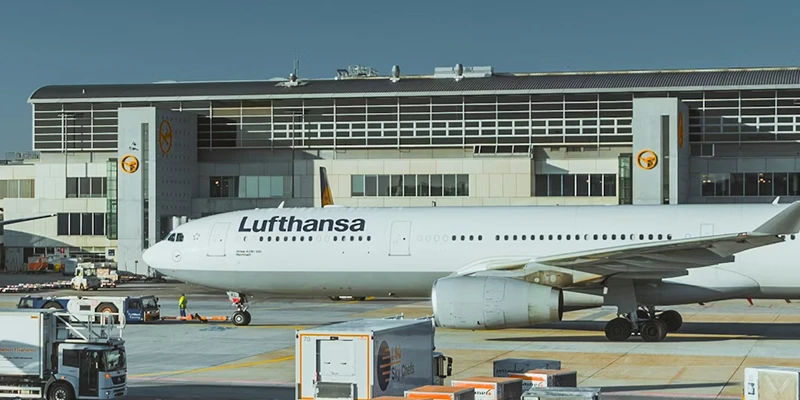
This itinerary assumes you are flying into Germany for starters, landing in Frankfurt, the major air gateway to the country. It is an easy one-hour train ride from Frankfurt Airport to Heidelberg to begin this trip. Or you might stay a few days in Frankfurt at the start, or end when the route returns here for departure.
Watch the Central Europe tour summary video on its own page →