Grand Tour of the Netherlands
A 21-Day Itinerary by Train
The itinerary uses seven cities as home base: Amsterdam, Utrecht, Leiden, Delft, Rotterdam, Breda and Dordrecht. There are also daytrips out from these cities to Alkmaar, Haarlem, Gouda, Den Haag, Kinderdijk and den Bosch. Two more-remote cities are added as options, Maastricht and Middelburg.
You can also see this video on a separate video page.
Because these towns sit close together on frequent rail lines, the plan minimizes backtracking and keeps every day trip short. Two optional extensions, Middelburg in Zeeland and Maastricht in the far south, are described at the end for travelers with more time. Each place is listed in the order you reach it, with an estimate of connecting time and a suggested route for the visit. Rail times are approximate and should be checked against a current NS timetable before booking, since a few connections vary by season and departure.
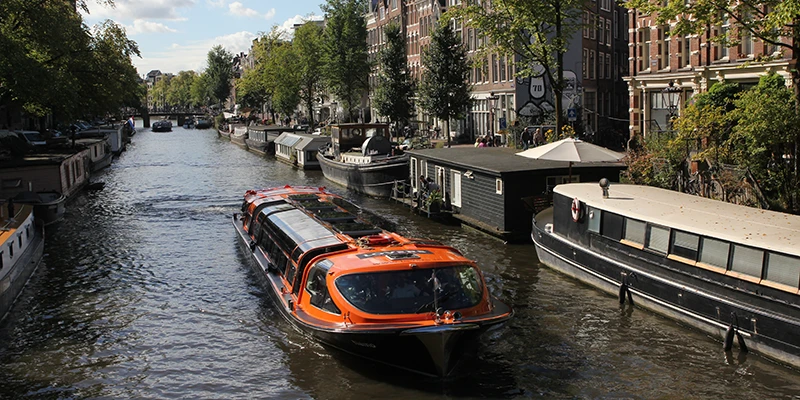
Amsterdam
Base 1. Capital of canals and gabled houses; several nights, with day trips to Haarlem and Alkmaar.
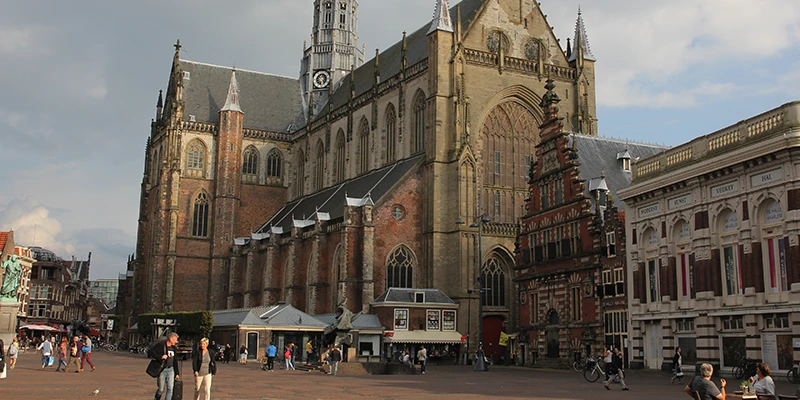
Haarlem
Day trip from Amsterdam. Grote Markt, pedestrian lanes, two major museums. 15 minutes by train.
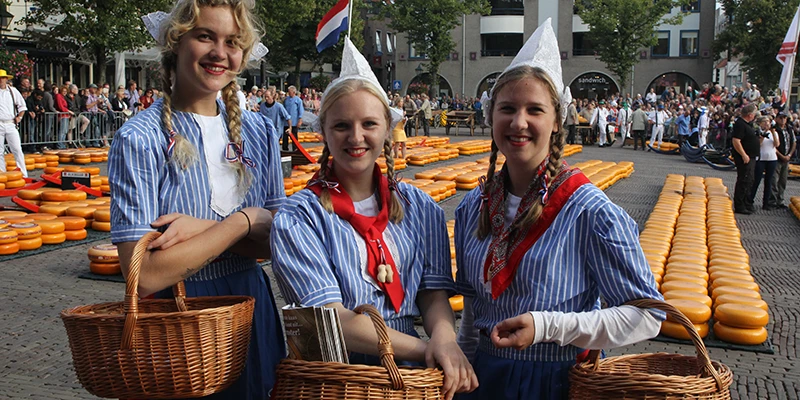
Alkmaar
Day trip from Amsterdam. Traditional cheese market, compact center, canal tour. 35 minutes by train.
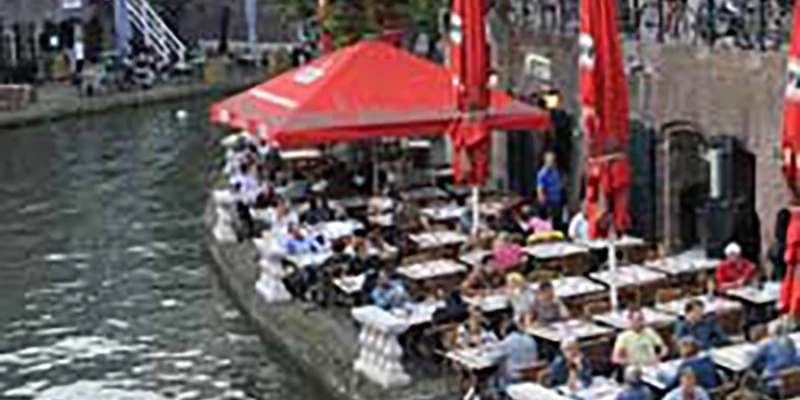
Utrecht
Base 2. Split-level canals with terrace wharves below and shopping streets above; the Dom Tower.
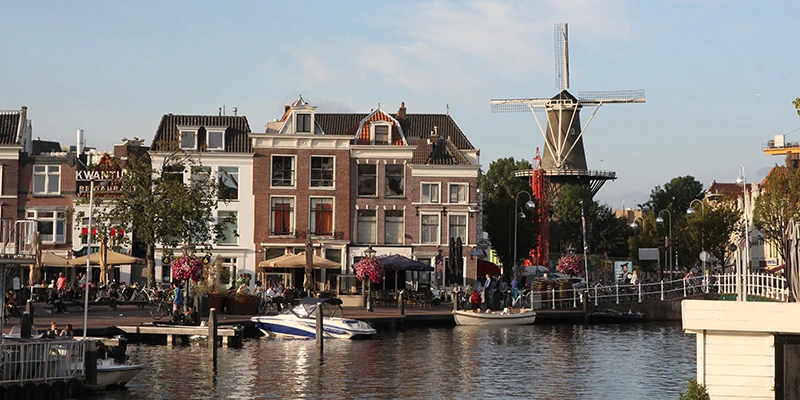
Gouda
Day trip from Leiden or Delft. Market square, City Hall, weigh house, cheese market. 25 minutes.
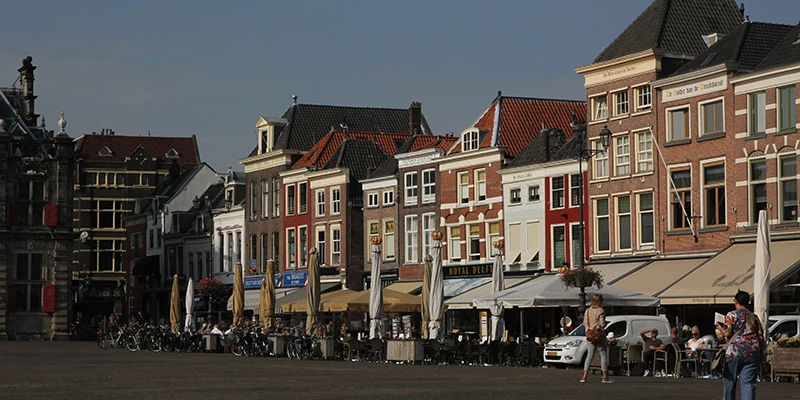
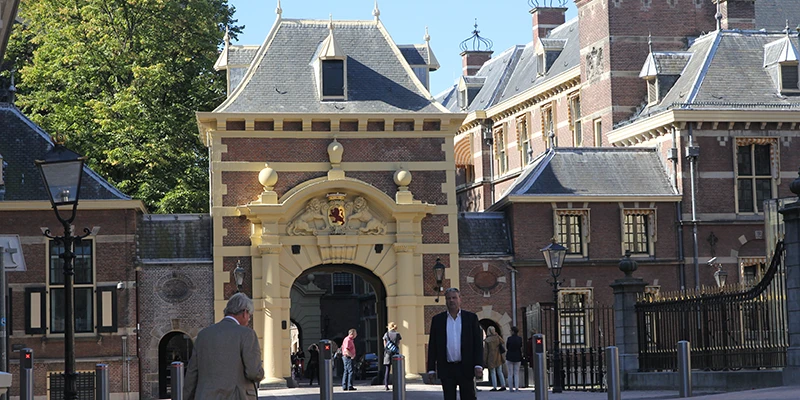
The Hague
Day trip from Delft. Seat of government, the Binnenhof, pedestrian zone, Mauritshuis. 12 minutes.
Rotterdam
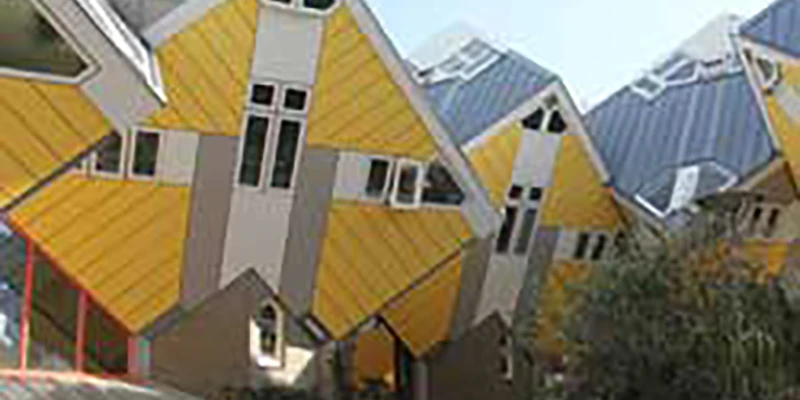
Base 5. Uniquely modern city rebuilt after the war; Markthal, Cube Houses, Euromast, harbor.
Kinderdijk
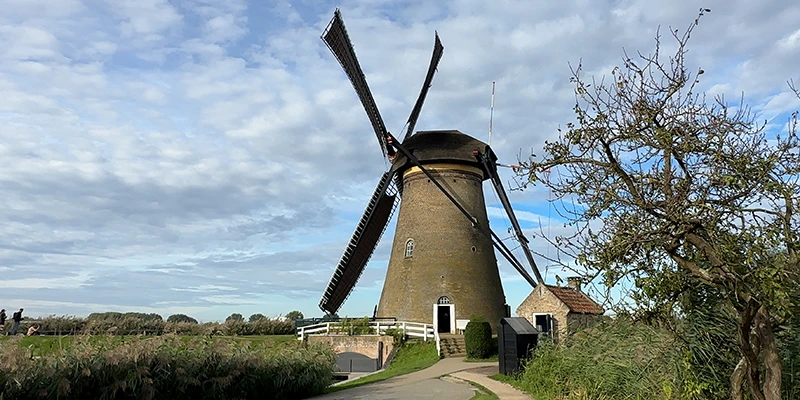
Boat excursion from Rotterdam. 19 windmills, UNESCO site, en route to Dordrecht by Waterbus.
Breda
Base 7. Off the beaten track; Grote Markt, Grote Kerk, castle, Valkenberg Park; day trip to den Bosch.
den Bosch
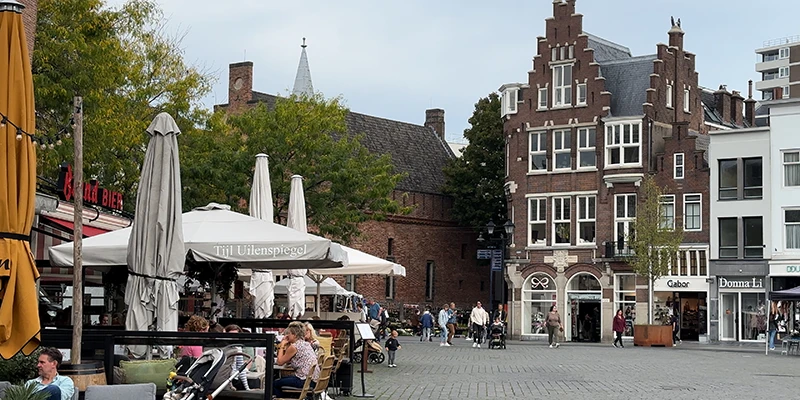
Day trip from Breda. Sint-Janskathedraal, Binnendieze canal tour, Noordbrabants Museum. 25 minutes.
Middelburg
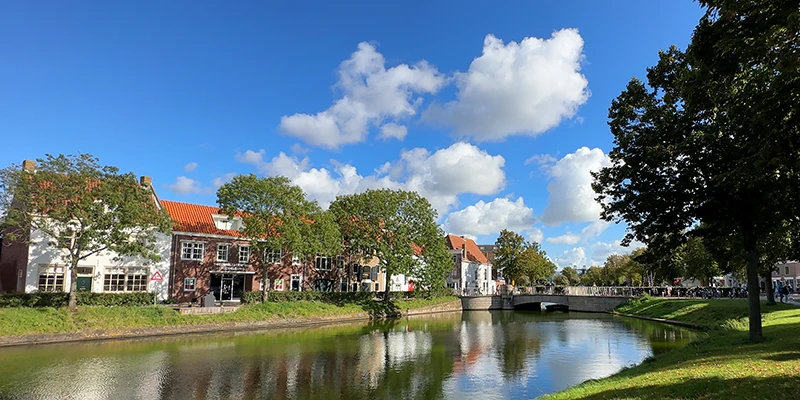
Optional extension, inserted after Dordrecht. Zeeland capital ringed by a moat; Lange Jan tower.
Maastricht
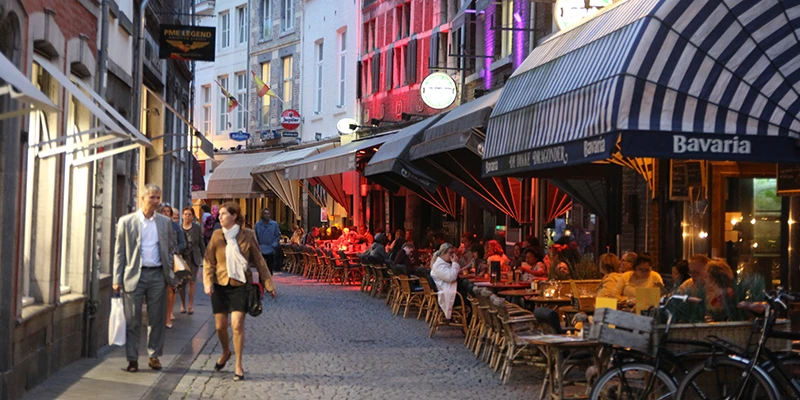
Optional extension after Breda. Southernmost city on the Meuse; Vrijthof, basilicas, Bonnefanten.
Amsterdam
Amsterdam, capital of the Netherlands and center of its economy, culture and tourism, is reached in about 15 minutes by direct train from Schiphol. The city receives roughly 6 million overnight visitors a year plus another 16 million day-trippers, most of whom see only Amsterdam and miss the rest of the country; several nights here allow time to go beyond that. The historic center, an area of just over one square mile within the canals, holds more historic buildings than the city claims any other in the world can match, nearly 7,000 of them built as private houses in the 17th and 18th centuries. Canals, cobblestones and coziness sum up the appeal, and the compact center is easily covered on foot with trams for a quick boost.
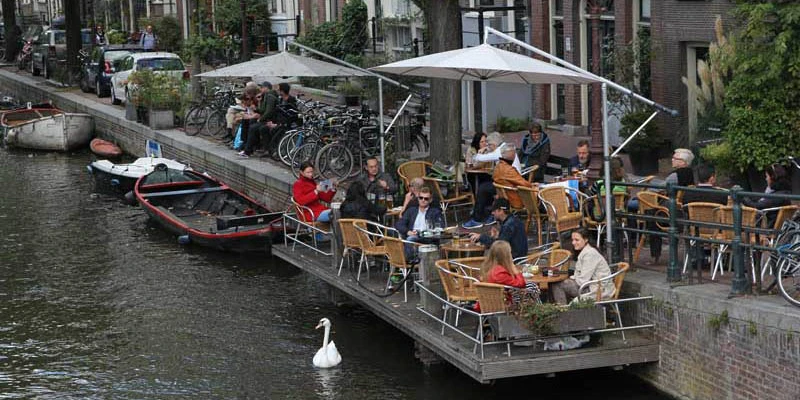
For the visit, plan the first two or three days in the center before the day trips begin. Start at Dam Square and the Damrak, then work west into the main canal belt along the Singel, Herengracht, Keizersgracht and Prinsengracht, where the gabled merchant houses are at their densest. The Nine Streets district between the canals holds concentrated shopping, and the Jordaan just west offers quieter residential lanes and the Noordermarkt. Reserve a half day each for the Rijksmuseum and the Van Gogh Museum, both on Museumplein, and book timed entry in advance. The Old Town east of Damrak covers the university quarter, the Begijnhof courtyard and Rembrandtplein. Evenings are best spent walking the canals when they are lit and less crowded. Two full days remain in the stay for the Haarlem and Alkmaar day trips that follow, so the city itself needs roughly three days, leaving the base intact while the shorter excursions run out and back.
Haarlem — day trip from Amsterdam
Haarlem is the first step in reaching beyond Amsterdam, only about 15 minutes away by direct train and yet missed by many visitors. It offers a real contrast to the big city, with the peaceful atmosphere of a small town, and ranks among the most attractive destinations in the Netherlands. There are hardly any cars in the historic center and bicycles are everywhere. Rather than small interior canals, a single large canal wraps around the city, while the pedestrian shopping lanes through the middle more than compensate.
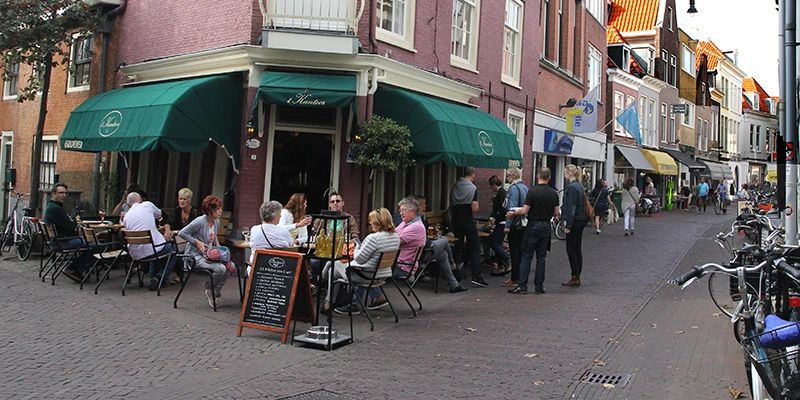
Arriving by train, walk about ten minutes along Kruisweg from Stationsplein into the heart of town; the street is lined with shops, bars and restaurants the whole way. The center is a network of about half a dozen pedestrian lanes that all lead to the Grote Markt, so navigation is simple and getting lost is difficult. The market square is one of the largest in the country, anchored by the Grote Kerk, a late-Gothic great church built four centuries ago, and it holds abundant open space for sidewalk restaurants. If the day falls on a Saturday, the square hosts a large outdoor market from about 8 in the morning until after 4, selling cheese, produce, flowers, clothing and antiques. South of the square lies a series of pedestrian lanes with shops and cafes plus small residential side streets worth wandering. Two major museums reward the time: the Frans Hals Museum, devoted to Haarlem's most famous painter, and the Teylers Museum of science, history and art, the oldest museum in the country. A full day allows the walking loop, a meal, the market and one museum; those wanting both museums and the back lanes could justify an overnight, though the plan keeps it as a day trip back to Amsterdam.
Alkmaar — day trip from Amsterdam
Alkmaar lies about 35 minutes north of Amsterdam by direct train and makes a natural second day trip from the first base. The town is best known for its traditional cheese market, a long-running spectacle held in the main square during the warmer months, where wheels of cheese are carried on wooden sleds by porters in white uniforms and colored hats who move in a choreographed routine that has run for centuries. The market is the main reason most visitors make the trip, and it operates only on set mornings in season, so the day of the week and the calendar both need checking before this excursion is scheduled.
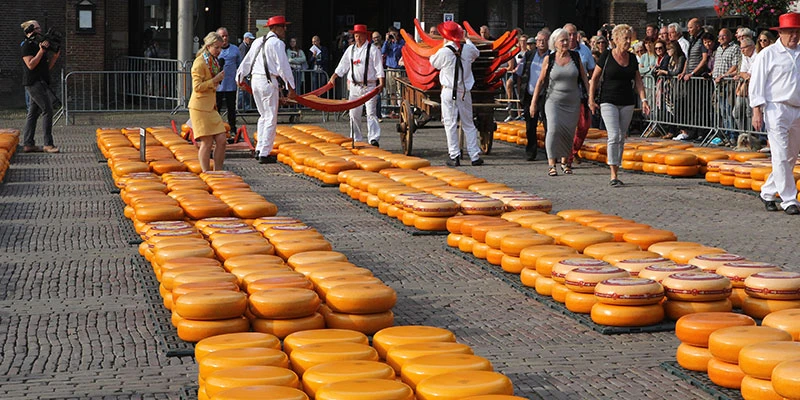
From the station it is a short walk into the historic center, which is compact and walkable. Time the arrival for the market if it is running, since it fills the square early and draws crowds in good weather; getting there ahead of the opening secures a usable vantage point. The Waag, or weigh house, sits at the center of the spectacle and holds the cheese museum, where the trade and its history are explained and cheese can be tasted and bought. Beyond the market, the town rewards a walk on its own terms, with canals, pedestrian shopping streets, a beer museum in a former brewery and the low brick architecture found across the region. A canal boat tour offers a different angle on the center for those with extra time. As a day trip Alkmaar pairs logically with Haarlem, both reached on lines running north and northwest from Amsterdam, letting the base cover two contrasting towns without changing hotels. Half a day covers the market and the core; a full day adds the museums and a relaxed lunch before the return train.
Utrecht
Utrecht sits about 25 minutes south of Amsterdam by direct intercity and becomes the next base. It is the fourth-largest city in the country and claims a collection of medieval buildings second in number only to Amsterdam. Its defining feature is a unique split-level canal arrangement found in no other Dutch city: terrace restaurants and a public promenade run at water level along the main canal, with pedestrian shopping streets above. The canal runs about four kilometers through the heart of town, and the water-level terraces, still called wharves, were once the docking and loading platforms for cargo, built on barrel-vaulted cellars beneath the merchant houses above.
.webp)
For the visit, base the days on the central canal where the Oudegracht runs through town. Walk the upper street level first for the shops and the general layout, then drop to the wharf level to see the terraces at the water, stepping inside some of the restaurants to see the vaulted stone cellars that give the setting its historic character. The terraces are the outdoor living room of the city and function differently through the day, quiet in the morning and busy toward evening. The Dom Tower, the tallest church tower in the country, stands over the center and anchors the skyline; the climb, when open, gives the best overview. There is time for one of the several museums, a canal boat ride along the four-kilometer waterway, and unhurried meals at water level. The compact pedestrian historic zone is easily covered on foot. Utrecht suits two or three nights as a base rather than a rushed stop, and its position east of the Randstad makes it the logical bridge before the route turns west into the tighter cluster of towns.
Leiden
Leiden, about 35 minutes from Utrecht, is one of the great cities of the Netherlands. Founded roughly a thousand years ago, it holds the oldest university in the country, established in the mid-16th century, and has a young population that includes some 30,000 students among 120,000 residents. The canals here are distinctive: they run right into the middle of the old town, with about half a dozen peaceful waterways lined by terrace restaurants just above the water, quiet in the morning and busy in the afternoon.
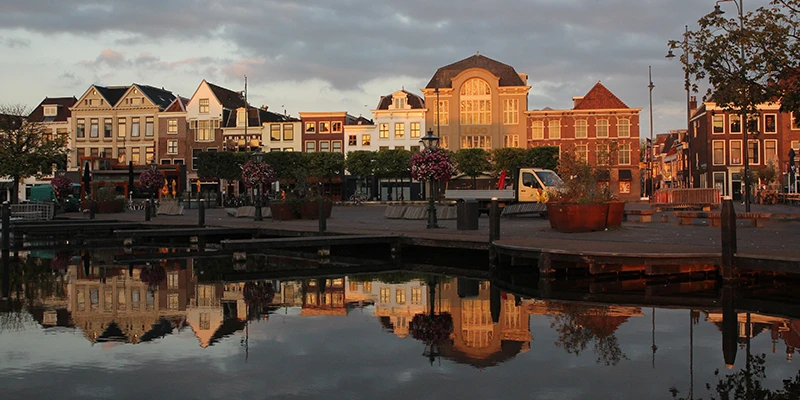
The most attractive part of the center is where the Old Rhine and New Rhine canals meet, and that junction makes a good anchor for the visit. A logical first stop is a canalside cafe for breakfast or coffee, after which the days can spread across the main lanes, the small back lanes, the university quarter and its botanical garden, the Hortus Botanicus, one of the oldest in the world. The elaborate medieval gatehouse, one of two surviving city gates, marks the old wall. Half a dozen important museums cluster here, including the national antiquities museum and the ethnology museum, and any one of them fits comfortably into the stay alongside the walking. The city has around 200 restaurants, 60 bars and a thousand shops, many along the pedestrian lanes, so meals and browsing fill the gaps easily. Two or three nights make Leiden a genuine base with time for the museums, the canals at different hours and the short day trip to Gouda. Its position on the line south keeps the following legs short, and the length of the stay is justified by how much the compact center holds within walking distance.
Gouda — day trip from Leiden
Gouda, most famous for the namesake cheese, is another of the pretty small cities of the Netherlands and an easy day trip of about 25 minutes from Leiden. The name is pronounced by the Dutch with a guttural opening sound rather than the soft version used abroad. The highlights fit into a few hours, which makes it a popular day-trip destination rather than an overnight, and its churches and historic buildings draw steady visitors.
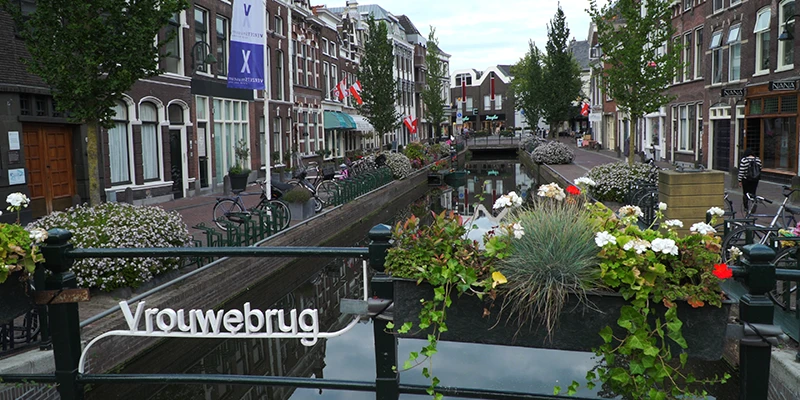
A natural walking route starts at the train station and runs down the Kleiweg shopping street to the central market square, into the large church, along a canal down to the harbor, then circles back to the station in a complete loop. The Markt is the central plaza, ringed by pubs, restaurants and sidewalk cafes, and it holds two key buildings. The Stadhuis, or City Hall, is a gem of late-Gothic and early-Renaissance design built between 1448 and 1450, one of the oldest Gothic city halls in the country and freestanding on the square; when its doors are open the wedding hall, mayor's office and council chamber can be seen, along with a carillon with mechanical figures. The Waag, or weigh house, where cheese was weighed for taxation, is now a national monument holding the tourist office and the cheese and crafts museum, where cheese can be tasted and bought. The traditional cheese market runs on the square on Thursday mornings from 10 until 12:30, April through the end of August, and is worth timing the visit around if the day aligns. The great St. John's Church, the longest in the country, is known for its stained glass. Gouda can also be reached later from Delft in about 30 minutes, so it slots in wherever the schedule leaves an open day.
Delft
Delft, about 20 minutes from Leiden, is one of the most famous, historical and beautiful towns in the Netherlands, preserved in near picture-book condition. It is a working modern city of 100,000 residents as well as a town of bicycles, canals, cheese and beer, with many buildings 400 to 500 years old packed into a compact old center about half a square kilometer in size, easily covered on foot. It draws about a million visitors a year, mostly in summer, so the quieter shoulder season around September is the calmest time to visit.
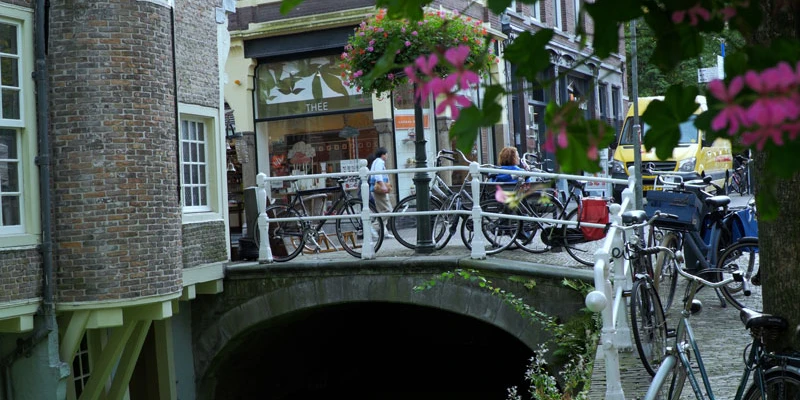
From the modern station a bridge leads across the canal into town; the old center is only a few blocks away, so no taxi is needed. Head north toward de Markt, the main square, which will be the focus of the visit. The New Church stands at one end, its tower the second-highest in the country, with the City Hall at the other end and shops and restaurants all around. From the square, walk the nearby streets along the canals to see more of the center, which is small enough to explore at a relaxed pace. The signature local product is Royal Delftware, the blue-and-white pottery, and a visit to the manufactory where it is still made and sold is worth a half day. Beyond that, the appeal is walking the car-free lanes and canals, renting a bicycle, or sitting at a terrace on the market square. There is ample time for Delft itself plus the short day trips to The Hague and, if not already done from Leiden, Gouda. Evenings in the pedestrian center are especially quiet, and a stay of three nights suits the town's slow pace without feeling excessive.
The Hague — day trip from Delft
The Hague, or Den Haag, is about 12 minutes from Delft and makes an easy day trip. It is the second most-visited city in the Netherlands after Amsterdam and the nation's seat of government, home to the parliament and prime minister even though Amsterdam holds the formal title of capital, and it is known internationally as the seat of the International Court of Justice. A visitor might expect a government center to be dull, but it is not: alongside sleek malls and futuristic towers it keeps an old-fashioned pedestrian zone of historic lanes, some dating to the 13th century.
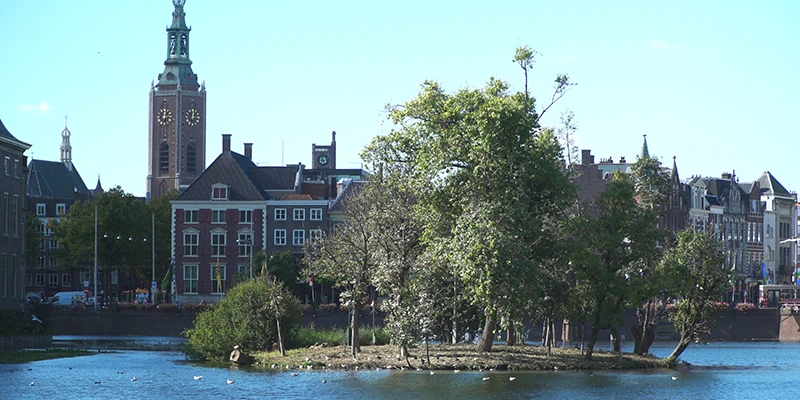
There are two stations, Hollands Spoor and Centraal, each about a kilometer or a 15-minute walk from the downtown crossroads. A good plan is to arrive at Hollands Spoor, walk through the center in a large loop, and end at Centraal, taking in both. The suggested route runs from Hollands Spoor through the small Chinatown, then into the historic Centrum district with its shopping lanes, past the Binnenhof, the complex of very old government buildings in the heart of town, and by the royal palace before looping back. The highlights can be seen in one full day on foot, or split across two half-days for a more relaxed pace. The Binnenhof and the adjacent Mauritshuis, which holds Vermeer's Girl with a Pearl Earring, are the set-piece stops for those wanting interiors rather than only streets. The center is old-fashioned with classic brick buildings, and the economy shows in the absence of vacant shopfronts. A slower alternative to the train is the street-level tram between Delft and The Hague, which passes through small communities along the way. As a short day trip it fits comfortably into the Delft block without disturbing the base.
Rotterdam
Rotterdam, about 12 minutes from Delft, is the country's second-biggest city, with 600,000 people and an urban center of about six square kilometers. Unique among Dutch cities, it was bombed flat in the Second World War and rebuilt in an exclusively modern style, and continued growth has produced futuristic architecture with people-friendly planning. Few classic old buildings remain, but the modern sights give travelers much to admire, and the compact downtown runs only about 1.5 kilometers from end to end.
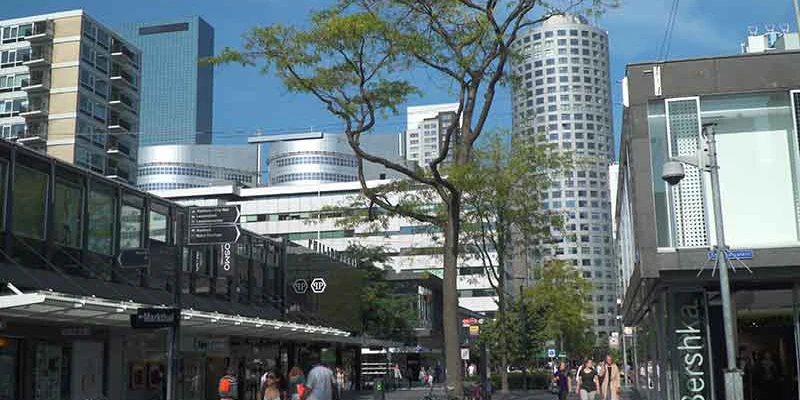
Begin two blocks east of Centraal Station at the Lijnbaan, the most famous Rotterdam street and the first car street in Europe converted to exclusive pedestrian use, opened in 1953 and copied across the continent since. From there the center functions as a large open-air shopping zone threaded with side lanes, parks, galleries and craft shops. The set-piece modern landmarks are the Markthal, the horseshoe-shaped market building with its painted interior vault; the Cube Houses, the tilted yellow apartments nearby; and the Euromast, whose observation deck gives the widest view over the city and harbor. The waterfront along the Maas is worth a walk for the bridges and boat traffic, and a harbor boat ride is a good use of an afternoon. Several museums reward a visit, including the Boijmans art collection and the maritime museum. A stay of two or three nights allows two full days in the center plus the departure morning, with time to explore the small streets rather than rushing the highlights as a day-tripper would. Rotterdam is also the gateway to the boat excursion that follows, since the Waterbus runs from the city out to the Kinderdijk windmills and on to Dordrecht, so the base sits at the pivot point where the Randstad gives way to the river country.
Kinderdijk — boat excursion en route to Dordrecht
Kinderdijk is reached by Waterbus from Rotterdam and visited on the moving day between the Rotterdam and Dordrecht bases rather than as a return day trip. The site is a UNESCO World Heritage location with 19 windmills, the largest collection in the country, standing across polder farmland about seven feet below sea level. Their original function was to pump water off the fields, which are ringed by dikes acting as dams against the nearby river, especially in winter when rising water could flood and ruin the crops. Millers and their families lived in the mills, and people still occupy most of them today.
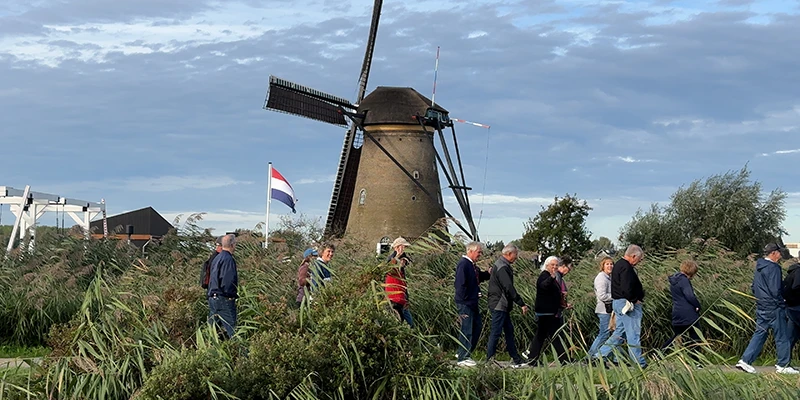
The boat from Rotterdam takes roughly 30 minutes to reach Kinderdijk. On arrival, store the luggage in the lockers at the visitor center, sized medium to extra-large and priced from about 6 to 10 euros, so bags need not be carried around the spread-out site; all visitor locations are cash-free. Admission to the windmill area itself is free because it is a designated bicycle route, but going inside a mill or riding the internal boat requires a ticket, available at the information office or online. At the office a map shows the alignment of the mills and the standard route past the six that form the usual visit. It is about a 20-minute walk from one end of the mills to the other along a scenic path past canals, fields and grazing animals, or an internal boat runs every 40 minutes as part of the ticket. Two of the mills are open inside, including the Blokweer mill, the oldest here, built in 1630, where the miller explains how the canvas sails on the four blades are opened and closed to suit the wind. Allow two to three hours before collecting the bags and continuing by boat another 30 minutes to Dordrecht for the night. The direct sailing is seasonal, so confirm the schedule for the travel dates.
Dordrecht
Dordrecht breaks the boat-and-rail journey between Kinderdijk and Breda and gives this often-overlooked town its due. It is considered the oldest city of Holland, officially made a city in 1220, and for a time the richest, sitting at the confluence of three rivers, the Oude Maas, the Merwede and the Noord, at what has been called the busiest river junction in Europe. That position let Dordrecht tax all goods passing through, making it the wealthiest town in Holland for centuries until Rotterdam took over the trade in 1618, and that golden-age wealth built much of what survives today.
.jpg)
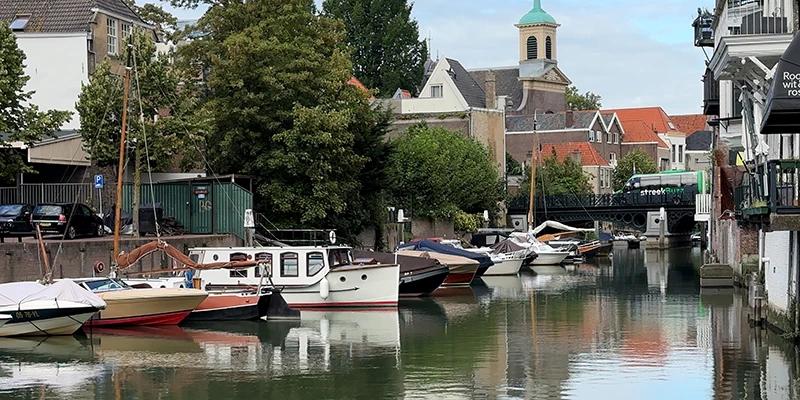
The boat dock sits conveniently on the edge of the old town, so the visit begins on foot the moment you arrive. The medieval character shows in well-preserved architecture blending Gothic, Renaissance and Dutch Golden Age styles, with narrow streets lined by old buildings, flower gardens and old harbors now used as marinas. The outstanding landmark is the Grote Kerk, the great Gothic church begun in the 13th century, whose tower can be climbed for a view over the rooftops and rivers. A walk through the old harbors and along the waterfront takes in the merchant houses and the Groothoofdspoort, the ornate old river gate where the three rivers meet, a good spot to watch the heavy boat traffic. The compact center also holds modern shopping streets, but the draw is the historic core. Arriving by Waterbus removes the pressure of a same-day rail connection and turns the boat leg into the relaxed part of the day. A single night leaves an evening and a morning walk before the short train south to Breda, which takes about 25 minutes, enough to see the core without rushing.
Breda
Breda, about 25 minutes by train from Dordrecht, is on the corridor running southeast and forms the last base of the core tour. It is a prime example of a city off the beaten track yet loaded with historic attractions, outdoor restaurants and a large pedestrian zone. Tourists come, but the town does not get overrun, so it keeps an authentic character; the people are friendly and speak English, and the restaurants offer fair prices because they rely on repeat local custom rather than one-off visitors. It sits about 15 kilometers from the Belgian border, with direct trains to Amsterdam and Brussels each just over an hour away.
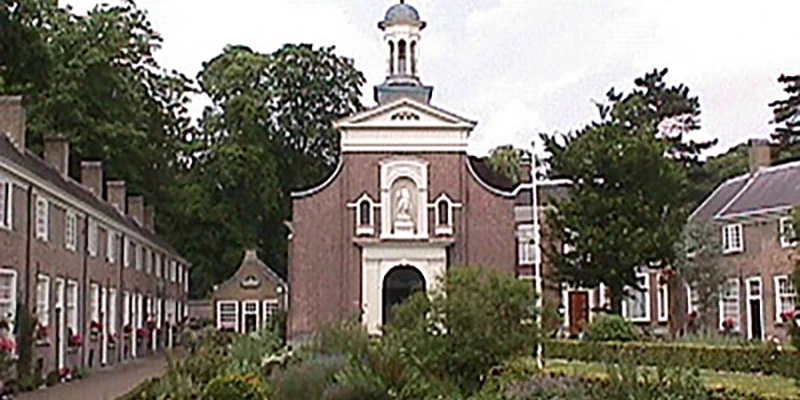
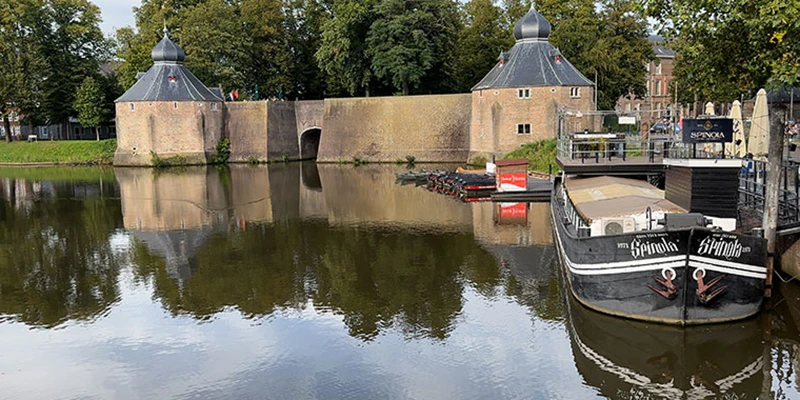
Breda is compact, roughly a kilometer across, and entirely walkable, so no tram, bus, taxi or bicycle is needed. Begin at the Grote Markt, the central square lined with places to eat and drink and busy from morning into the evening, where locals are devoted to their sidewalk tables. The square is dominated by the Grote Kerk, the great church whose tower rises over the city and whose interior holds notable tombs and monuments; the climb, when available, gives the overview. From the market, the surrounding pedestrian zone spreads through streets of shops, small malls and cafes. The castle, now a military academy and generally viewed from outside, anchors one edge of the center, and the adjacent Valkenberg Park offers green space and a walk along the River Mark, with boat tours available in season. Two nights give a full day for Breda itself plus the day trip to den Bosch, and the base doubles as the jumping-off point for the optional extensions and the return north. From Breda a direct intercity runs back to Schiphol in about 75 minutes, making it a logical end to the core loop without doubling back through the Randstad.
den Bosch — day trip from Breda
Den Bosch, officially 's-Hertogenbosch, lies about 25 minutes by direct train from Breda and makes the final day trip of the core tour. It is the capital of the southern province of North Brabant, founded in the 11th century as a trading center and later a major military stronghold, the site of the Siege of Den Bosch in 1629. It has a strong cultural identity and a center full of medieval architecture, canals and squares, and it was the home town of the painter Hieronymus Bosch.
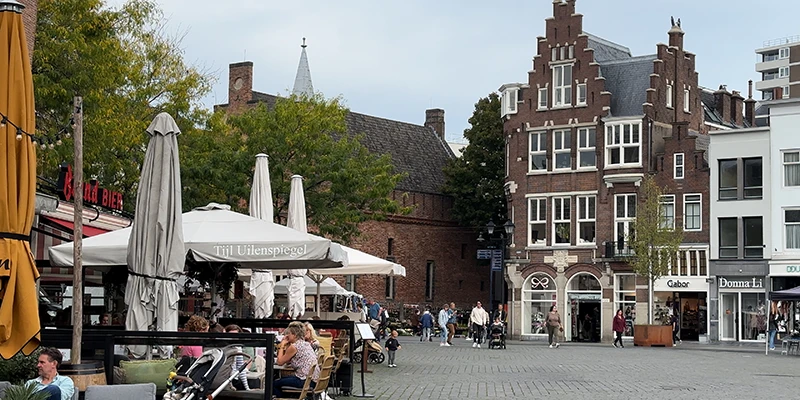
From the station it is a short walk into the historic core, which is walkable and compact. The set-piece landmark is the Sint-Janskathedraal, or Saint John's Cathedral, the largest church in the country and one of its finest examples of Brabantine Gothic, its exterior covered in intricate sculptures and its spires visible across town; allow time to walk around the outside as well as within. Nearby, the Markt holds the Stadhuis, the 17th-century City Hall in Dutch Renaissance style, and the surrounding streets lead to the Begijnhof, the old Beguines' courtyard, and to the Moriaan, said to be the oldest brick house in the country. A distinctive local experience is a boat tour through the Binnendieze, the network of partly underground medieval canals that thread beneath the old city, which runs in season and gives an angle on the town seen no other way. The Noordbrabants Museum holds regional art including works connected to Bosch, and the adjacent Design Museum covers Dutch and international design for those wanting an indoor stop. Reached as a day trip rather than squeezed into a travel day, den Bosch gets a proper few hours before the return to Breda, closing the core route on its southern edge.
Optional extensions for those with more time
Middelburg and Maastricht both lie outside the compact core route, each in a far corner of the country, so they are best treated as separate add-ons rather than forced into the main sequence. They can be taken singly or together, and where they fit depends on which you choose. Middelburg is reached from the southwestern edge of the core route, so it slots in as a mid-route insertion between Dordrecht and Breda. Maastricht sits alone in the far south, so it works as a terminal extension after Breda. Taken together, the efficient order is to visit Middelburg between Dordrecht and Breda, then continue from Breda south to Maastricht, which avoids the long and awkward direct connection between the two corners of the country.
[PIC 15 — from PDF page X — map showing the two optional extensions off the core route]Middelburg — optional, inserted after Dordrecht
Middelburg is the capital of Zeeland, the province of islands and peninsulas in the far southwest, reached by direct train from the Randstad corridor. Because Zeeland lies at the southwestern edge of the core route, Middelburg fits most efficiently as an insertion between Dordrecht and Breda, adding one or two nights while you are already near that corner of the country, rather than a separate trip that requires doubling back. It keeps its entire medieval core inside a ring of water, a nearly circular moat that goes back more than a thousand years to an earthen fort thrown up against Viking raids, and that outline still governs how the streets curve.
.webp)
Cross the bridge from the station and the modern world drops away, leaving a car-free center of shops and cafes, canals lined with gabled brick houses, and a compact plan about a kilometer across. During the Dutch Golden Age it was a major trading port, second only to Amsterdam within the Dutch East India Company, and that wealth paid for the tall gabled houses and ornate public buildings. The focus is the Markt, the market square, which fills with stalls on Thursdays and with cafe terraces the rest of the week. On one side stands the Stadhuis, or town hall, begun in 1452, one of the finest late-Gothic civic buildings in the Low Countries, with a facade of pinnacles, statues and red-and-white shutters. Rising above everything is the Lange Jan, the octagonal abbey tower, 90.5 meters tall and climbable by 207 steps for a view over the moat, the roofs and the island of Walcheren. The tower stands at one corner of the Abbey complex, a quiet tree-shaded courtyard that also holds the Zeeuws Museum, which tells the story of the province and whose main treasure is a set of six large tapestries commemorating naval battles fought off the Zeeland coast. From Middelburg, trains run toward Breda through Roosendaal to rejoin the main route.
Maastricht — optional, extension after Breda
Maastricht is the nation's southernmost city, in the province of Limburg on a narrow strip of Dutch land between Belgium and Germany. It sits alone in the far south with nothing else on the route near it, so it works best as a terminal extension after the core tour: from Breda a direct line runs southeast to Maastricht in roughly one and a half to one and three-quarter hours, far shorter than the awkward cross-country connection from Zeeland. Two nights suit it. Unlike the Randstad towns it has no canals, but it is picturesque in a different way, one of the oldest cities in the country, founded by the Romans on the Meuse river.
.webp)
The main station sits on the east bank, about a kilometer from the old town across the river. The historic center spreads across both banks, linked by the medieval Sint Servaas bridge, and is easily walked. The two great squares are the Vrijthof, a large open space lined with cafe terraces and framed by the Romanesque Basilica of Saint Servatius and the church of Saint John with its red tower, and the Markt, which holds the town hall and a general market on certain mornings. The Basilica of Our Lady, another Romanesque church, stands in a quieter square nearby. A distinctive stop is the Boekhandel Dominicanen, a bookshop installed inside a Gothic former church, and the Bonnefanten Museum on the east bank holds old masters and contemporary art in a landmark building. Beyond the center, the caves and tunnels of the Sint-Pietersberg and the surrounding hills, unusual for the flat Netherlands, can fill a second day. Maastricht has a lively cafe culture and a reputation for food, so time at the terraces is part of the visit. From Maastricht there are direct trains north to Schiphol for departure, so the extension does not require returning to Breda first.
Suggested sequence
The core tour runs Amsterdam, with day trips to Haarlem and Alkmaar; then Utrecht; then Leiden, with a day trip to Gouda; then Delft, with day trips to The Hague and optionally Gouda; then Rotterdam; then the Waterbus from Rotterdam to Kinderdijk and on to Dordrecht for a night; then Breda, with a day trip to den Bosch; then a direct train from Breda to Schiphol to depart. Most places suit two or three nights, with the central Randstad cluster reached from a few bases and the day-trip towns run out and back. Travelers with more time can add Middelburg between Dordrecht and Breda, and Maastricht as an extension after Breda before returning to Schiphol. Confirm the seasonal Waterbus timetable, the Kinderdijk-to-Dordrecht sailing, and the connections for either extension before locking in dates, since those legs vary with the season and the day of the week.
Detailed Itinerary Schedule
Train connections, overnight stays and day trips for the full route, including the two optional extensions. Rail times are approximate; confirm against a current NS timetable before booking.
| Nights | Base | Notes / day trips | From | To | Rail min. |
|---|---|---|---|---|---|
| 5 | Amsterdam | Arrive | Schiphol | Amsterdam | 15 |
| Amsterdam | DT Haarlem | Amsterdam | Haarlem | 15 | |
| Amsterdam | DT Alkmaar | Amsterdam | Alkmaar | 35 | |
| 2 | Utrecht | Utrecht city | Amsterdam | Utrecht | 25 |
| 3 | Leiden | Utrecht | Leiden | 35 | |
| Leiden | DT Gouda | Leiden | Gouda | 25 | |
| 3 | Delft | Leiden | Delft | 20 | |
| Delft | DT Den Haag | Delft | Den Haag | 12 | |
| 3 | Rotterdam | Delft | Rotterdam | 12 | |
| 1 | Dordrecht | Boat from Rotterdam via Kinderdijk | Kinderdijk | Dordrecht | 60 |
| 3 | Breda | Dordrecht | Breda | 25 | |
| Breda | DT Den Bosch | Breda | Den Bosch | 25 | |
| 1 | Amsterdam | Final day | Breda | Amsterdam | 75 |
| 21 | Total days | ||||
| Optional extras | |||||
| 2 | Middelburg | Optional, inserted after Dordrecht | Dordrecht | Middelburg | 90 |
| 2 | Maastricht | Optional, extension after Breda | Breda | Maastricht | 90 |
| 25 | Total days with both extras |