Paris Day Three
The last day covers the two remaining essentials, takes the train out to Versailles for the afternoon, and returns for a walk down the most famous avenue in the city.
The Eiffel Tower
The tower is the symbol of Paris and the most visited paid monument in the world, which means crowds. The way to handle it has changed: book a timed ticket online well in advance, ideally several weeks out for summer visits, and choose the earliest slot you can. Tickets to the summit sell out first. There is a security perimeter around the base with bag checks, installed in 2018, so allow time to get through it even with a reservation. The tower opens at nine in the summer and nine-thirty the rest of the year.
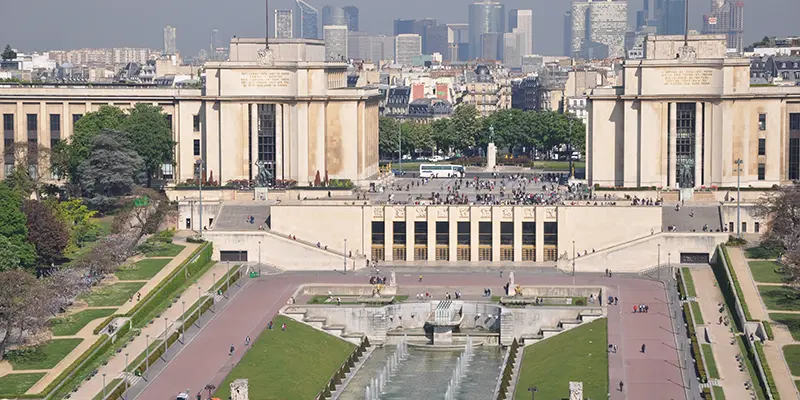
If you have a summit ticket, the elevator from the second level to the top is the bottleneck later in the day, and going in on the first wave of the morning avoids it almost entirely. A limited number of same-day tickets are sold at the booths at the base, but relying on that in season is a gamble. Fifteen minutes at the top is enough to take in the view in every direction, and the descent early in the day is quick.
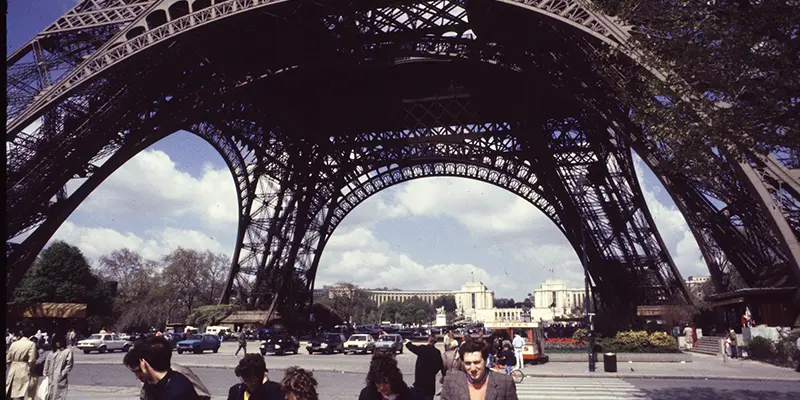
The history of the structure is worth knowing while you are standing on it. It was built as a temporary exhibit for the Universal Exposition of 1889, marking the centenary of the Revolution, and was supposed to be dismantled after twenty years. Many prominent Parisians signed a petition against it. What saved it was radio — the tower's height made it valuable as an antenna, and the military transmitter installed at the top gave it a reason to exist that had nothing to do with architecture. It was the tallest structure in the world until the Chrysler Building overtook it in 1930, and the first major building of iron construction on that scale.
Gustave Eiffel declined a fee and instead negotiated a share of admission revenue for the first twenty years, which made him a rich man. The engineering is exact enough that a scale model a foot high would weigh about a quarter of an ounce, and the top sways only a few inches in the strongest winds — it moves more from the sun, which expands the iron on the lit side and leans the summit several inches away from it.
The Orsay Museum
The Orsay is four stops away by direct Métro, or about twenty-five minutes on foot along the river. It holds the finest collection of Impressionists anywhere — Monet, Renoir, Manet, Degas, Pissarro, Cézanne, Van Gogh — in a building that is a considerable object in its own right, a railway station built for the 1900 exposition with a barrel vault of glass and iron and the original station clock still in place. It is closed on Mondays, and stays open late on Thursdays.
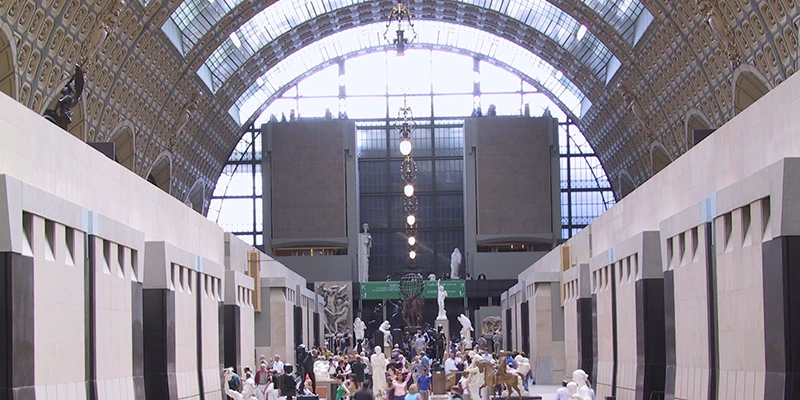
A route through it: visit only the first few galleries on the ground floor, with Corot, Millet and the early Manet, then go to the far end, walking over the scale model of central Paris set under a glass floor, and take the escalators to the top floor where the Impressionists are. Cover that floor completely, including the stretch past the café and around the bend, which holds Gauguin and Seurat and is often missed. On the way down, stop at the middle level for the Rodin sculptures, the Art Nouveau furniture, and the gilded reception hall of the old station hotel.
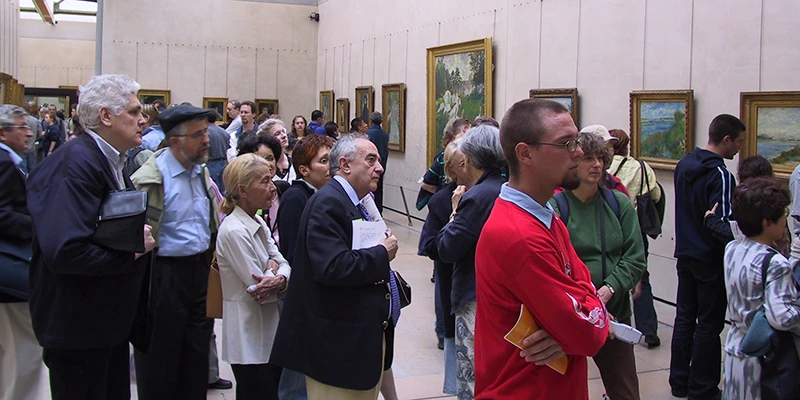
Ninety minutes is enough for the museum, which matters because there is a long afternoon ahead. If you are hungry, several inexpensive restaurants sit a block inland from the front entrance.
Versailles
The station for Versailles is directly in front of the Orsay. Take the RER line C to the end of the line at Versailles Château–Rive Gauche, about forty minutes, followed by a ten-minute walk to the palace. The train fare is a few euros each way and the palace passport ticket is around €32, which compares well against a coach excursion at several times the price. The palace is closed on Mondays, and as with everything else in this itinerary, book the ticket online ahead of time.
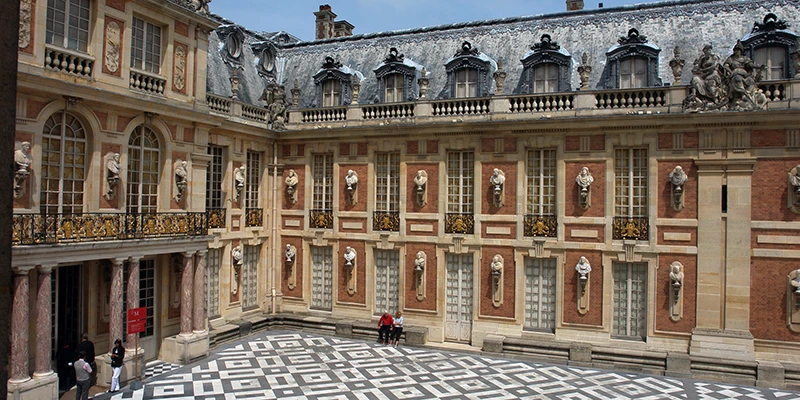
Before going inside, walk out into the gardens behind the palace. André Le Nôtre laid them out in the 1660s on a scale that is difficult to grasp from photographs — formal parterres, clipped hedges, statuary along the allées, and the Grand Canal running toward the horizon.
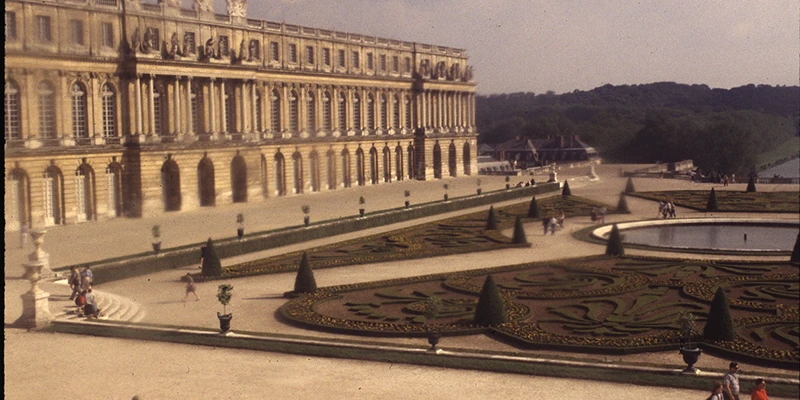
On weekends from spring through autumn the fountains are played to music during the Grandes Eaux Musicales, which requires a separate ticket; on other days the basins are still.
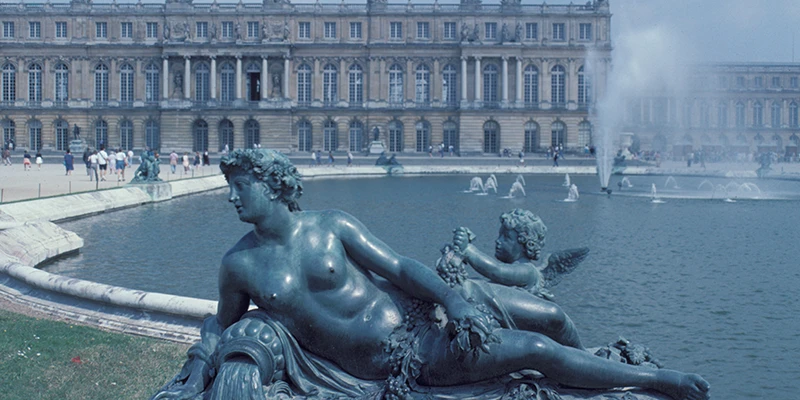
The line at the main door can be long, though afternoons are generally easier than mornings. Inside, the sequence runs through the State Apartments to the Hall of Mirrors — seventy-three meters of arched mirrors facing seventeen windows over the gardens, where the treaty ending the First World War was signed.
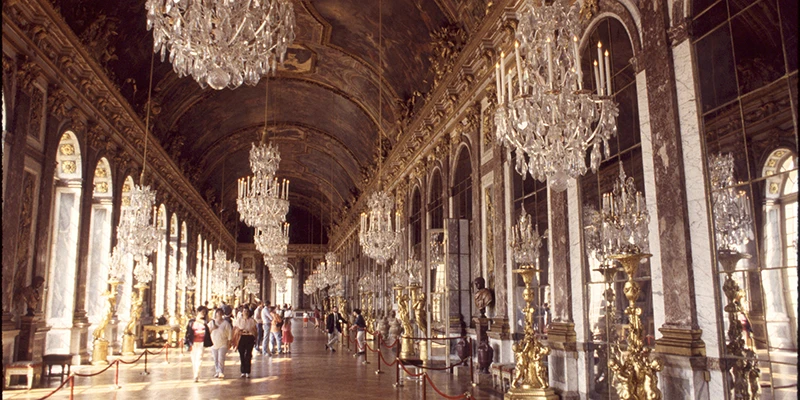
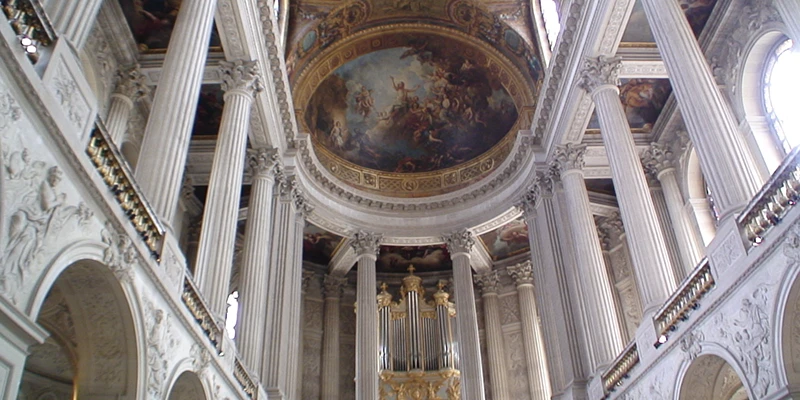
The King's and Queen's apartments follow, and the royal chapel with its painted vault is on the route in. If you have time and energy left, the Trianon palaces and Marie-Antoinette's hamlet lie at the far end of the park, a long walk or a short ride on the little train.
The Champs-Élysées
Take the same RER back toward Paris. Change at Champ de Mars–Tour Eiffel for Bir-Hakeim, which involves a walk of several hundred meters at street level, and ride to Charles de Gaulle–Étoile for the Arc de Triomphe.
You saw the arch from the bus on the first morning, but it is worth seeing up close. Commissioned by Napoleon in 1806 after Austerlitz and not finished until 1836, it stands at the center of a circle from which twelve avenues radiate — the reason Haussmann's planners called it the Étoile. Beneath it is the Tomb of the Unknown Soldier, where the flame is rekindled every evening at six-thirty in a short ceremony. You can climb to the roof for a view straight down the twelve avenues, which is the clearest illustration anywhere of how the city was planned. Use the underground passage to cross; the traffic in the circle runs without lane markings or signals, and any collision inside it is assessed as equal fault on both parties.
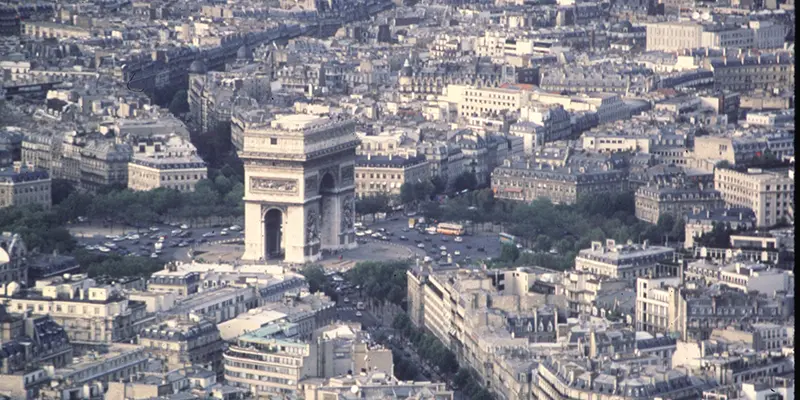
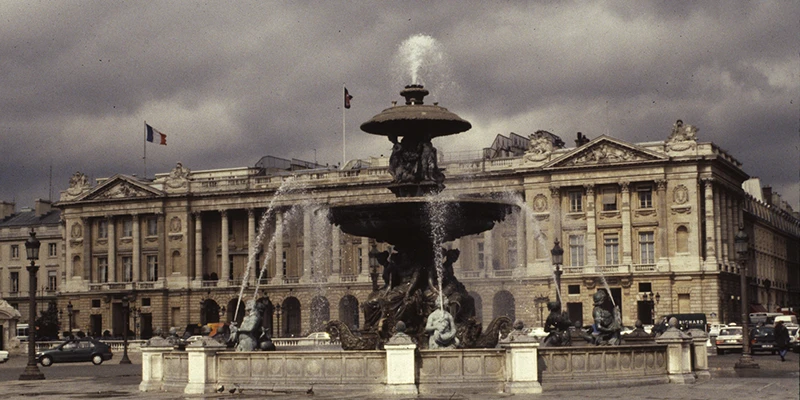
From the arch, walk down the Champs-Élysées, about a mile and a quarter to the Place de la Concorde. It has the widest sidewalks in Paris, lined with plane trees, and a mixture of flagship stores, cinemas, cafés and showrooms — more commercial than elegant these days, but the scale and the view down toward the obelisk still justify the walk. The lower stretch nearer the Concorde is quieter, with gardens on both sides.
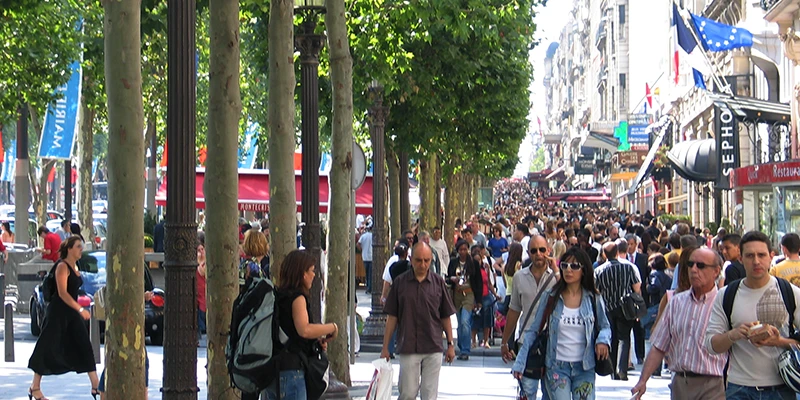
If you would rather shop, turn right on the Avenue George V and walk to the Avenue Montaigne, where most of the major fashion houses have their addresses. Otherwise duck into the Métro at George V and go wherever you like — these last hours are yours.
That completes three days in Paris. Choose somewhere good for a final dinner, and be satisfied that you missed very little.