Vienna Music and Wine
Vienna's identity is inseparable from music. Mozart, Haydn, Beethoven, Schubert, Brahms, Mahler, and the Strauss family all lived and worked here. The city offers an extraordinary range of concert options every night of the year — from world-class opera and symphony to intimate chamber recitals, tourist-friendly Mozart evenings, and traditional music in the wine taverns of the Heurigen villages.
Vienna State Opera
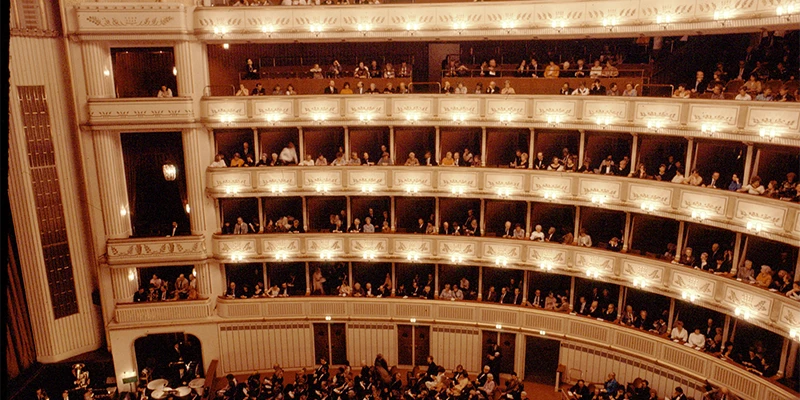
The Wiener Staatsoper is one of the world's leading opera houses, presenting a different production nearly every night from September through June. The repertoire favors the 19th-century standards — Verdi, Puccini, Wagner, Strauss, Mozart — performed to the highest standards with world-famous singers. The building itself, constructed 1861–1869 and rebuilt after World War II bombing, is worth seeing for its grand staircase and foyer even if you don't attend a performance.
Tickets range from expensive to very expensive, but standing room (Stehplatz) is available for a few euros — you queue at the standing-room entrance on the Operngasse side about 80 minutes before curtain. Arrive earlier for popular productions. Once inside, you can tie a scarf to the railing to mark your spot and explore the building.
Musikverein
(02)copy.webp)
The Musikverein, home of the Vienna Philharmonic, has the most celebrated acoustics in the world. The Golden Hall (Großer Saal), completed in 1870, broadcasts the famous New Year's Day Concert to audiences worldwide. Throughout the season, the Philharmonic, visiting orchestras, and chamber ensembles perform here. The building also contains smaller halls for recitals and contemporary music. Tickets are available through the Musikverein box office or website; book ahead for Vienna Philharmonic performances.
Konzerthaus
The Wiener Konzerthaus, a few blocks from the Musikverein, offers a broader programming range — symphony, chamber music, jazz, world music, contemporary works. Its three halls host over 700 events annually. The Konzerthaus tends to be more adventurous than the Musikverein, with more emphasis on living composers and cross-genre experimentation. Tickets are generally easier to obtain.
Mozart and Strauss Concerts
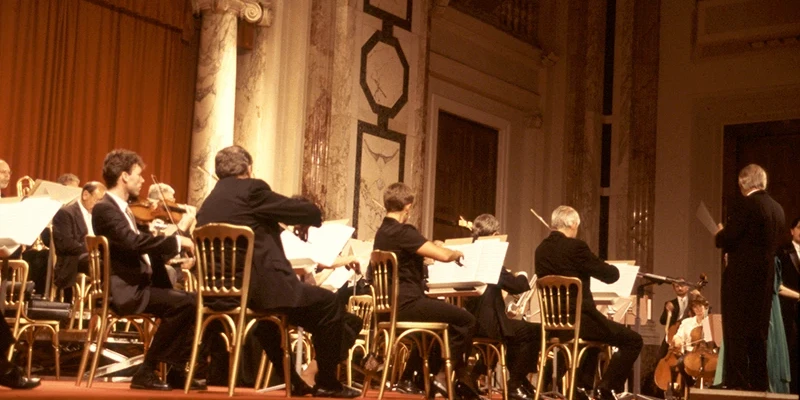
Several organizations present Mozart and Strauss evenings aimed primarily at tourists — performers in 18th-century costumes, familiar works (Eine kleine Nachtmusik, the Blue Danube), pleasant ambiance. These concerts run year-round in historic venues:
- Hofburg Palace — The Redoutensäle and Festsaal host regular Mozart and Strauss programs in imperial surroundings.
- Schönbrunn Palace — The Orangery presents nightly concerts combining orchestra, singers, and ballet excerpts. Dinner-concert packages available.
- Kursalon — The 19th-century spa pavilion in the Stadtpark hosts Strauss concerts and waltzing, evoking the ballroom Vienna of operetta fame.
These concerts are musically pleasant if not profound — think of them as entertainment rather than serious performances. Tickets are sold by hotel concierges, kiosks on the Kärntnerstrasse, and websites. They make an enjoyable evening for visitors who want live music in beautiful settings without navigating the complexities of the Staatsoper or Musikverein.
Vienna Boys' Choir
The Wiener Sängerknaben have performed since 1498, originally for the Habsburg court. Today the choir appears at Sunday Mass in the Hofburgkapelle (September through June) — arrive early to secure a seat, as the chapel is small and demand is high. The boys also perform regular concerts in the MuTh concert hall, their purpose-built venue in the Augarten, and tour internationally. Their repertoire ranges from Renaissance sacred music through Mozart and Schubert to contemporary works.
Jazz and Contemporary
Vienna has an active jazz scene centered on clubs such as Porgy & Bess (the city's premier jazz venue, in the first district), Jazzland (Vienna's oldest jazz club, in a cellar beneath the Ruprechtsplatz), and the Blue Tomato. The annual Jazz Fest Wien in summer brings international artists to outdoor stages.
The Heurigen Wine Taverns
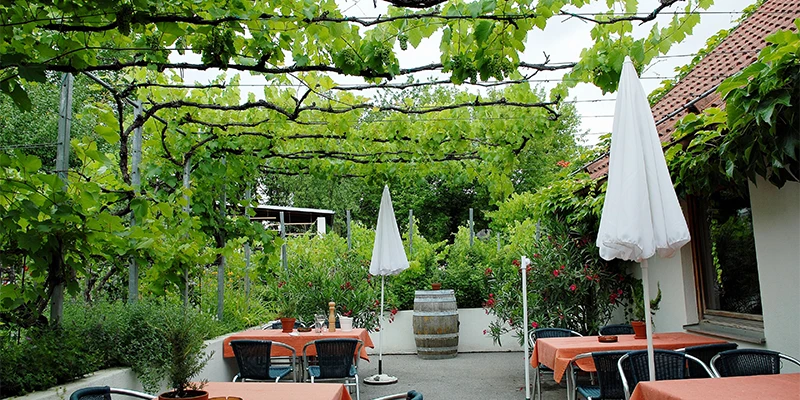
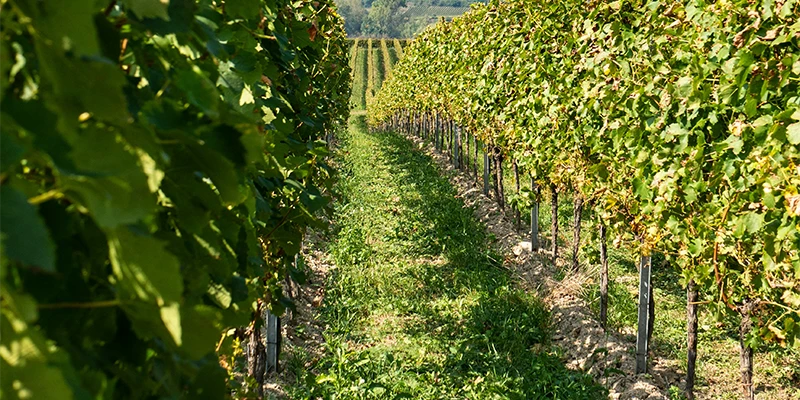
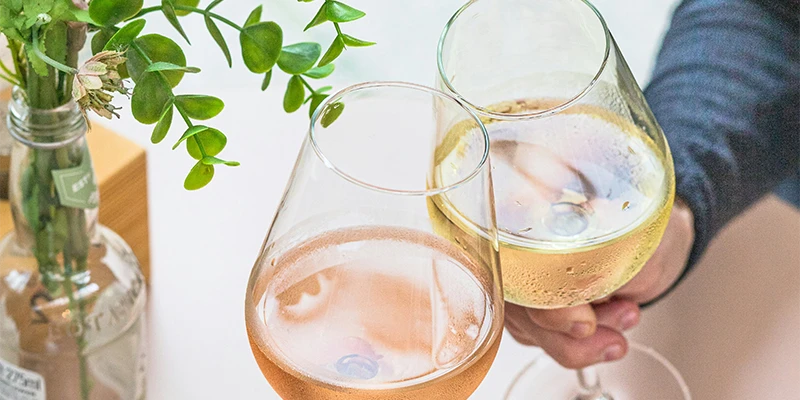
Vienna is the only major capital with significant vineyards within its city limits. The hills on the city's northern and western edges — Grinzing, Nussdorf, Heiligenstadt, Neustift am Walde, Sievering, Stammersdorf — have produced wine for centuries. A Heuriger (the word means "this year's") is a tavern licensed to serve wine from its own vineyards, typically for a few weeks or months each year. A pine branch (Buschen) hanging above the door signals that the tavern is "ausg'steckt" — open and serving new wine.
Heurigen serve wine by the Viertel (quarter liter) or Achtel (eighth), along with a cold buffet: sliced meats, cheeses, Liptauer spread, pickles, bread, and sometimes hot dishes. Seating is at long wooden tables, often in courtyards or gardens with views over the vineyards. Many Heurigen offer live Schrammelmusik — the traditional Viennese folk music of violin, accordion, and guitar, often with sentimental songs about old Vienna.
Grinzing
The best-known Heuriger village, Grinzing attracts tourists and locals alike. Take tram 38 from Schottentor to the end of the line (about 25 minutes). The village center has a cluster of Heurigen along Cobenzlgasse and the streets around the church. Some are touristy; others remain authentic. Look for places where locals outnumber visitors and the music, if any, is subdued.
Other Villages
For a less commercial experience, try the villages that see fewer tourists:
- Nussdorf — Accessible by tram D to the end, then a short walk. The village has a handful of traditional Heurigen with vineyard views.
- Heiligenstadt — Where Beethoven wrote his "Heiligenstadt Testament" during his struggles with deafness. Quieter than Grinzing, with several good Heurigen.
- Neustift am Walde — Farther out but worth the trip for authentic atmosphere. Bus 35A from Nussdorf.
- Stammersdorf — On the Danube's left bank, across the river from the main wine villages. Accessible by tram 31; known for red wines as well as white.
Practical Tips
Heurigen are typically open from late afternoon until 11 p.m. or midnight. No reservations are needed for smaller places; for larger establishments with music, it's wise to call ahead on weekends. Payment is usually cash. The atmosphere is informal — this is not fine dining but convivial, unpretentious enjoyment of local wine and food.
The wines are predominantly white: Grüner Veltliner (Austria's signature grape, dry and peppery), Riesling, Weissburgunder (Pinot Blanc), and Gemischter Satz (a traditional field blend). Sturm, the still-fermenting young wine available in autumn, is a seasonal specialty. Quality varies, but a good Heuriger offers wine that would cost substantially more in a restaurant — and the setting, whether a candlelit courtyard or a terrace overlooking the city lights, is part of the pleasure.