Tallinn
Tallinn, the capital of Estonia is the best-preserved medieval town in northern Europe, according to UNESCO, which has designated it a World Heritage Site. They describe Tallinn as "a system of walls, fortifications and authentic buildings, constituting an urban structure formed in the 13th and 14th centuries."
Town Hall Square
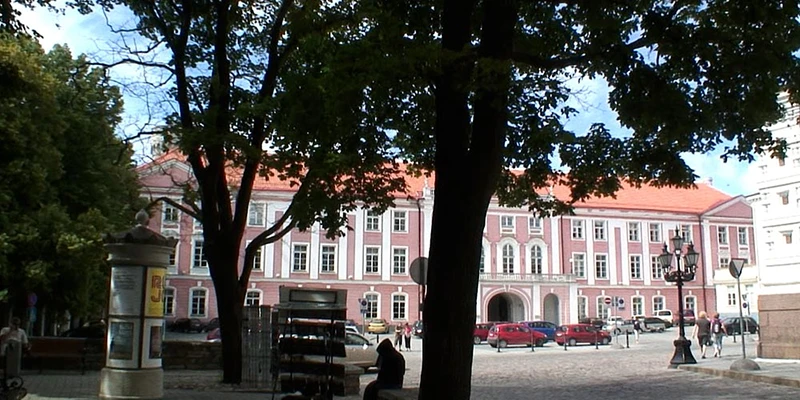
The place you will spend more time at than any other part of Tallinn is the major marketplace of the Town Hall Square. The marketplace is sometimes filled with many dozens of craft booths selling handmade goods. There's food for sale and restaurants all around. In early July it plays host to the Old Town Days and other medieval festivals happen throughout the year.
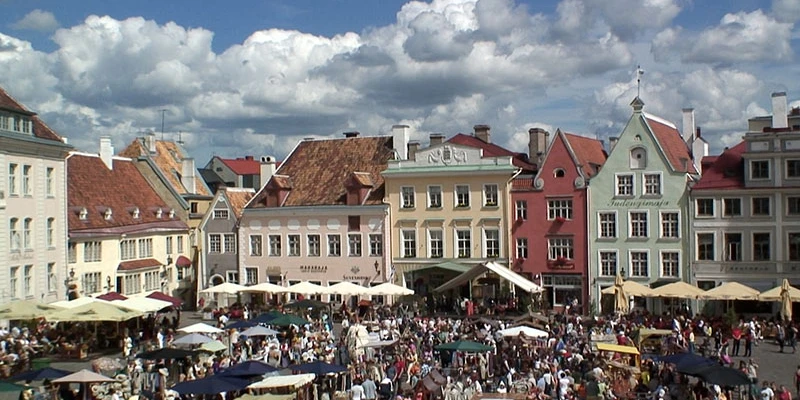
Town Hall Square is the busiest place in town, surrounded by some of the finest architecture, housing, shops, and outdoor restaurants, and beer halls, and the great collection of market kiosks in the center of the square. The City Hall is one of the oldest town halls in Europe and dates back to the beginning of the 15th century.
We are going to take you on a walking tour of the main lanes and side alleys. The Old Town is relatively small, just one kilometer from one end to the other, but there are so many interesting sights packed in here, your visit will be filled with rewarding experiences.
Begin the Walk
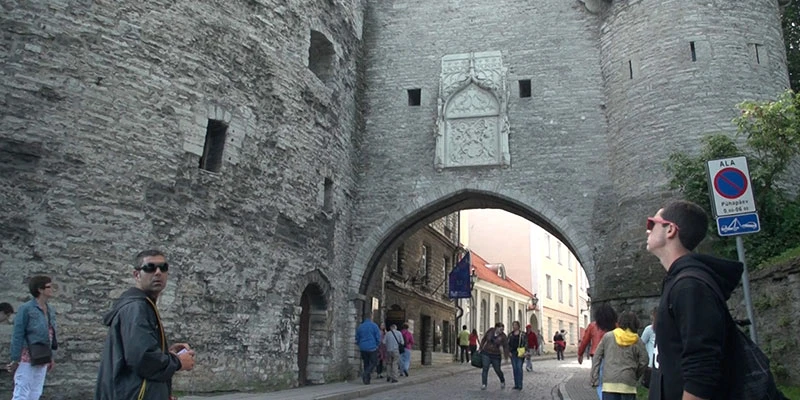
One of the first sights that you'll see approaching from the waterfront into town is Fat Margaret Tower, built in the early 16th-century, rising 25 meters high with walls that are five meters thick. The Great Coastal Gate is the most crucial entrance of the six remaining gates in the old city wall system.
Pikk Street
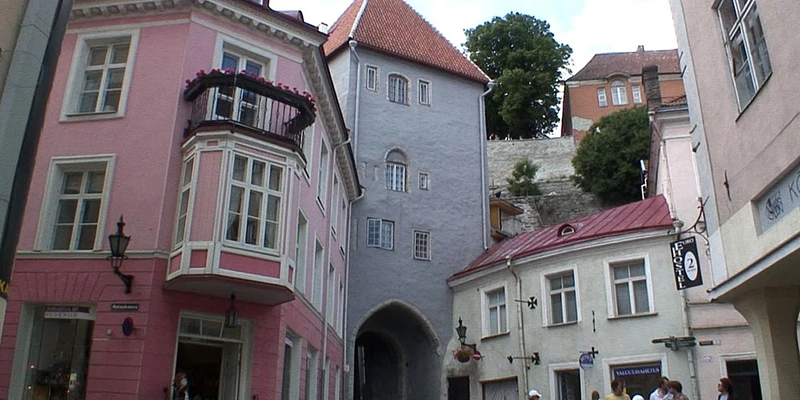
Entering through the Great Gate is the perfect way to enter town. It's like entering a time machine, right into the main street of Tallinn called Pikk Street. This is the longest street in town, leading all the way to that Great Coastal Gate, about one kilometer total length.
Brotherhood of Blackheads
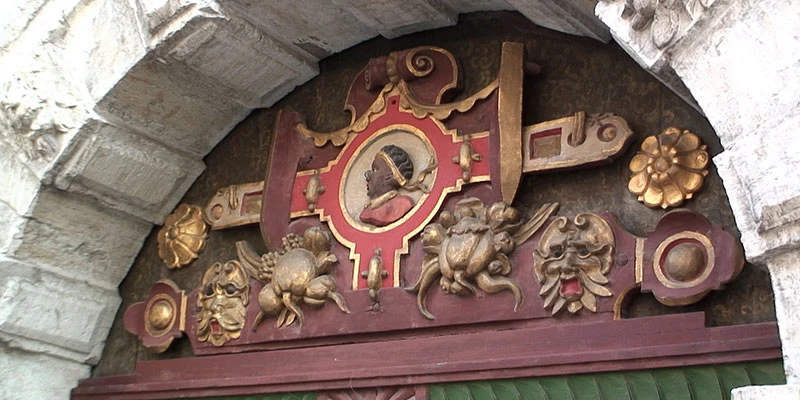
The elaborate facade and beautiful doorway leads to one of the most interesting of the guild houses. We're in the House of the Brotherhood of Blackheads, and you see here a gothic guild hall. This would have been the principal meeting room inside the Guild Hall.
Lai Street
There is another lane parallel to Pikk that is just as attractive called Lai, with a most impressive church.
St Olav's Church
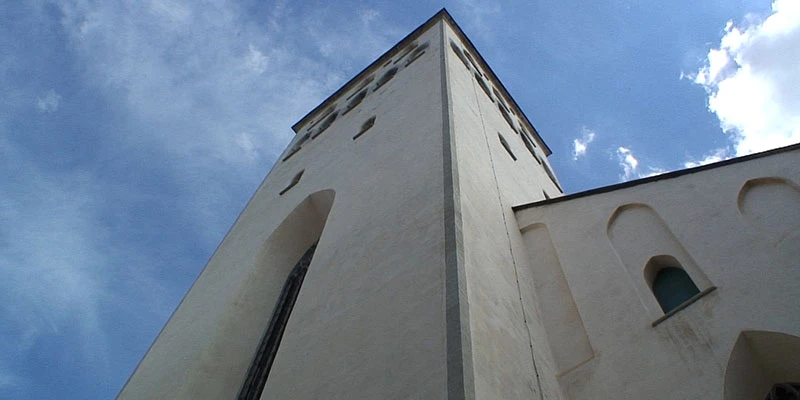
This is claimed to have been the highest church in Europe, and there are some who claim it was the world's tallest building in the late 16th century. They say its height was 200 meters, but lightning has struck numerous times, and the height's been reduced now to 125 meters.
Medieval Wall
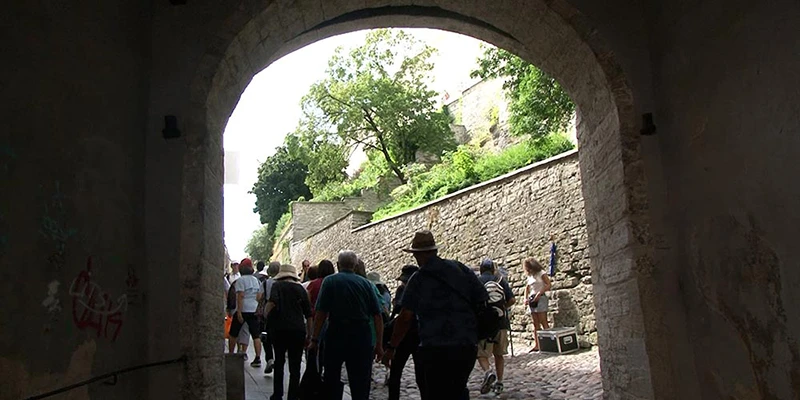
Wander through the nearby little lanes, and you will soon come upon a section of the wall that you can actually walk on for free. The oldest sections of Tallinn's city wall were built in the 13th-century.
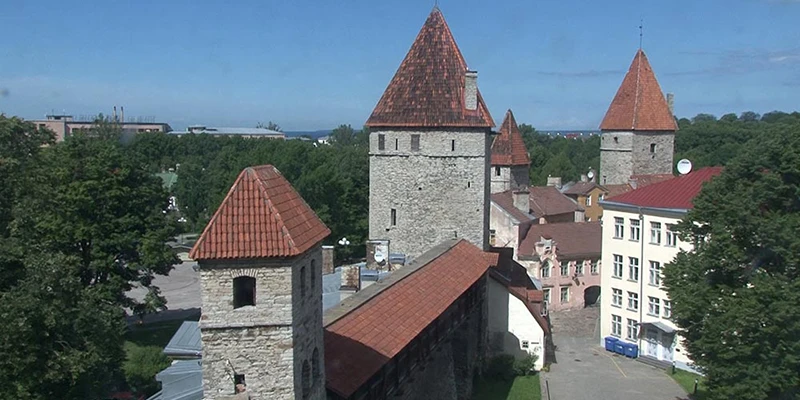
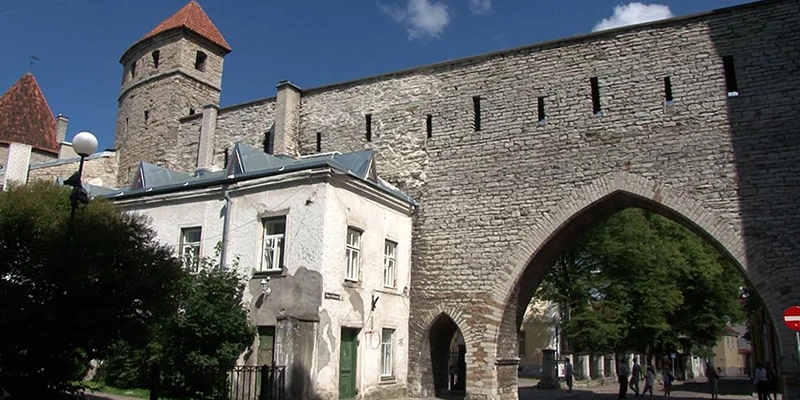
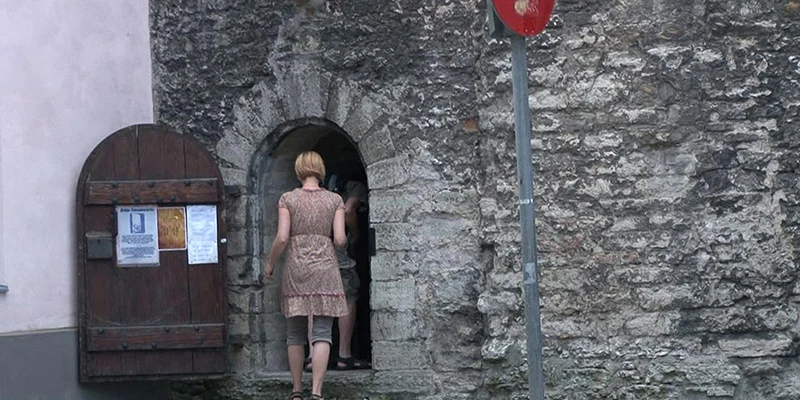
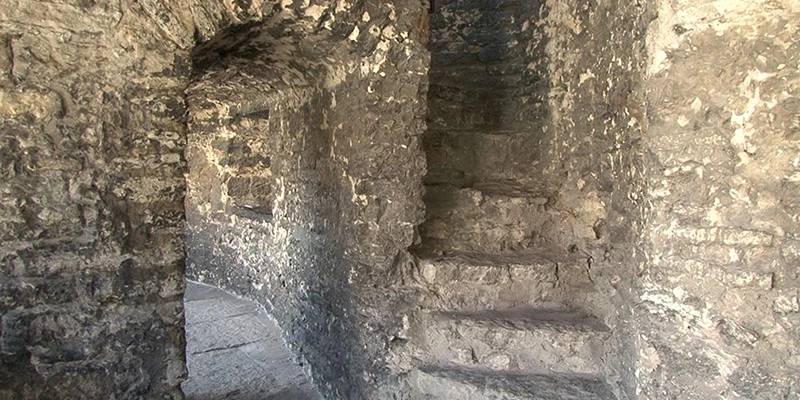
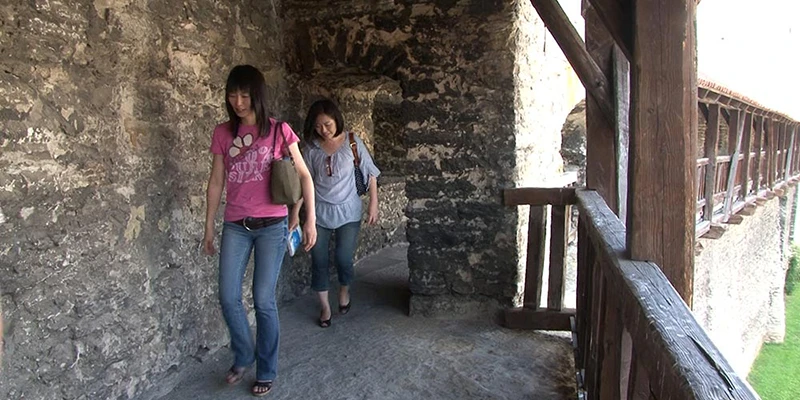
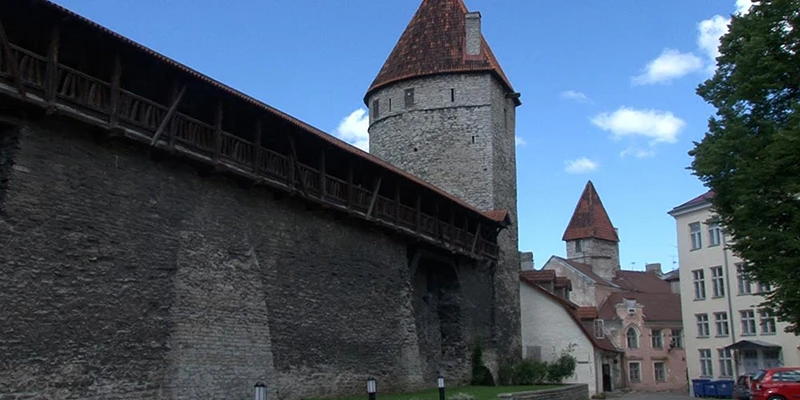
During the next 300 years, it became one of the largest and strongest defense systems in all of northern Europe. More than half of the magnificent defense system has been preserved, which includes nearly two kilometers of the wall, 26 defensive towers and two major gates.
Upper Town
To get the best views of the old town, you need to do a little walking uphill to the Upper Town, 400 meters from that wall walk.
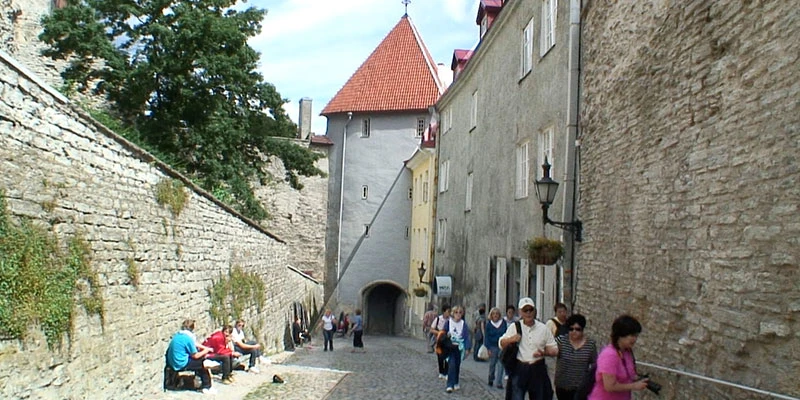
While the Lower Town is the most captivating and charming part of Tallinn, you want to be sure to go to the Upper Town, which was for the nobles, the upper class who ran the society. It has some very large, impressive palaces and a wonderful viewpoint looking down on the Lower Town.
.webp)
Alexander Nevsky Cathedral was the last building erected in the upper town in 1900, built in the elaborate Russian style of architecture, reminiscent of the 16th- and 17th-centuries.
Viewpoints
There are a couple of lookout points up here where you get splendid views looking down at the Lower Town, especially at the city wall, and the watchtowers, and the clay tile roofs of the old buildings. There are 26 of these medieval towers still standing and nearly the entire wall is intact.
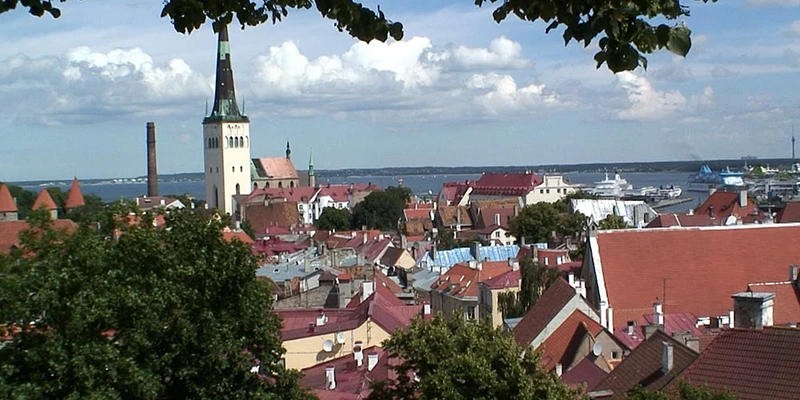
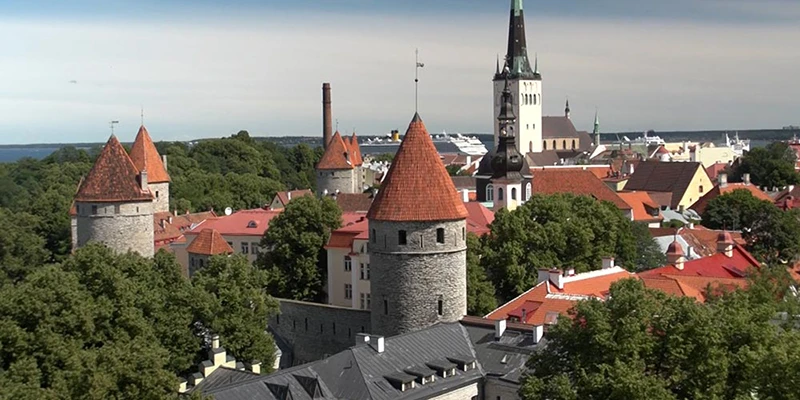
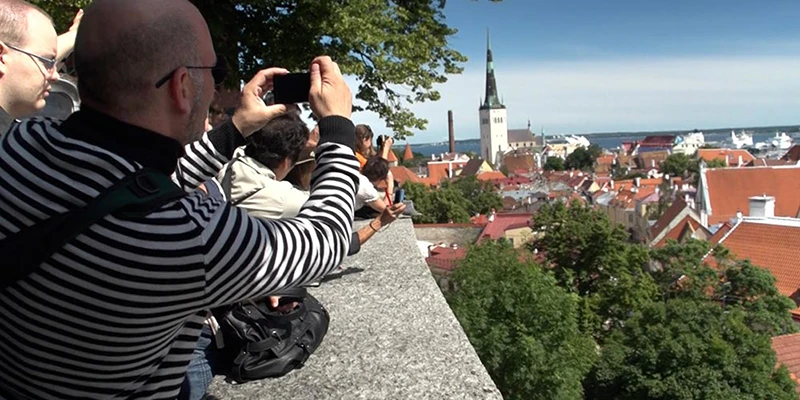
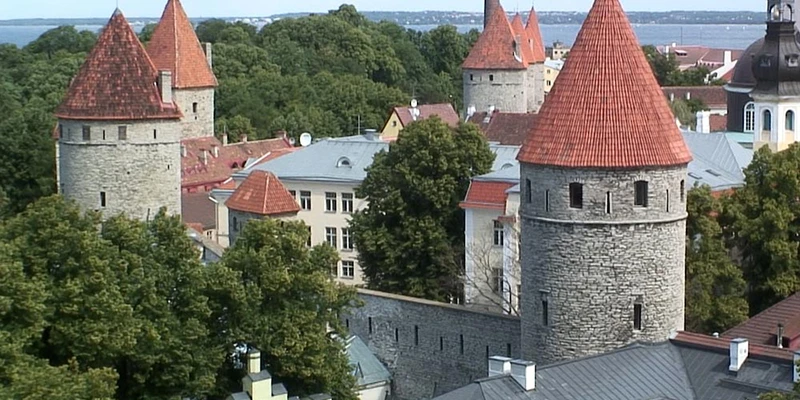
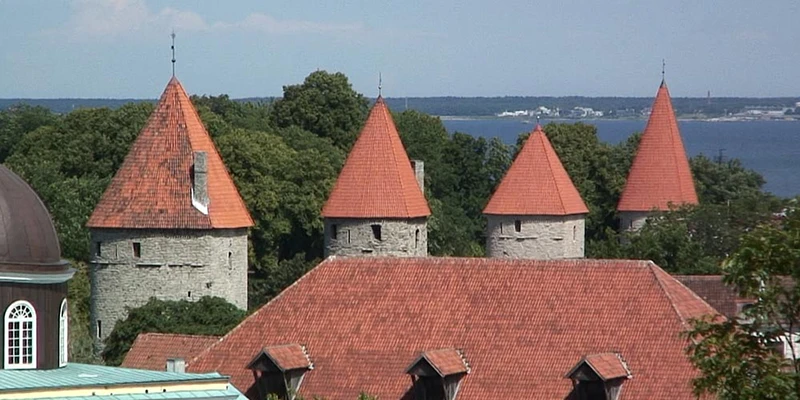
It's a remarkable example of medieval preservation. The Danish King's Garden marks the boundary of the upper town, or the Castle, and the lower town.
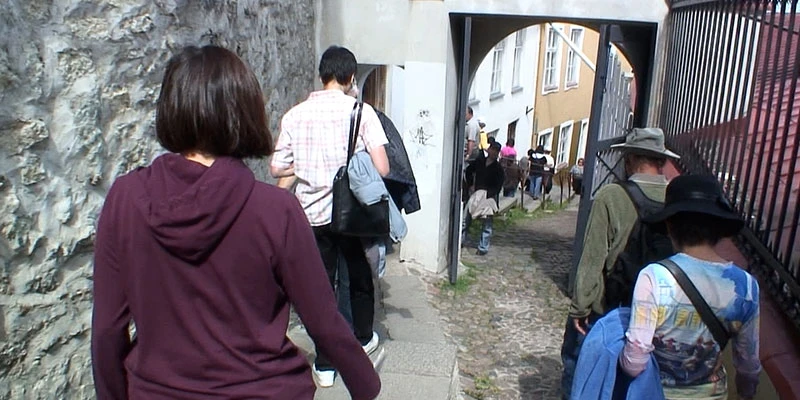
Katerina Käik
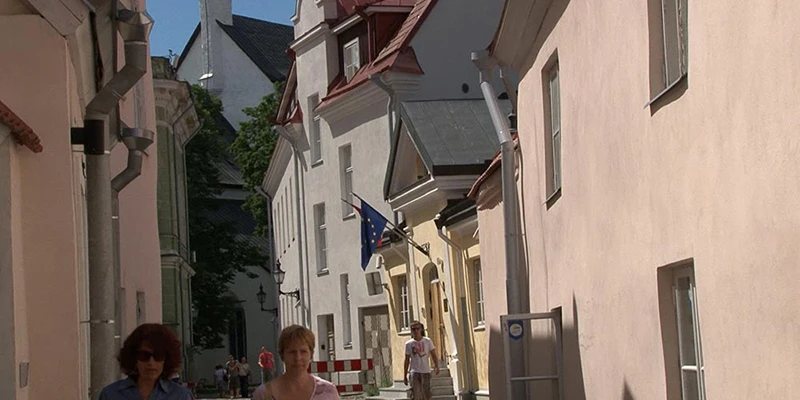
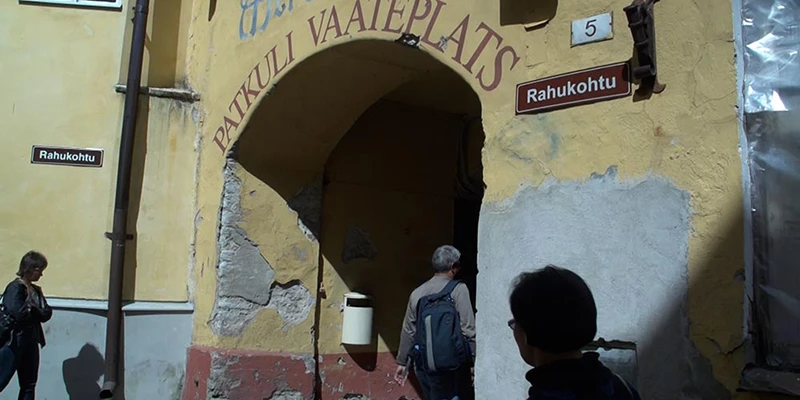
Katerina Käik, or St Catherine's Lane, is one of the nicest streets in town because it's a quiet respite with this ancient architecture, a perfect medieval gem. And it's lined with open studios that function as everyday work rooms for the artists.
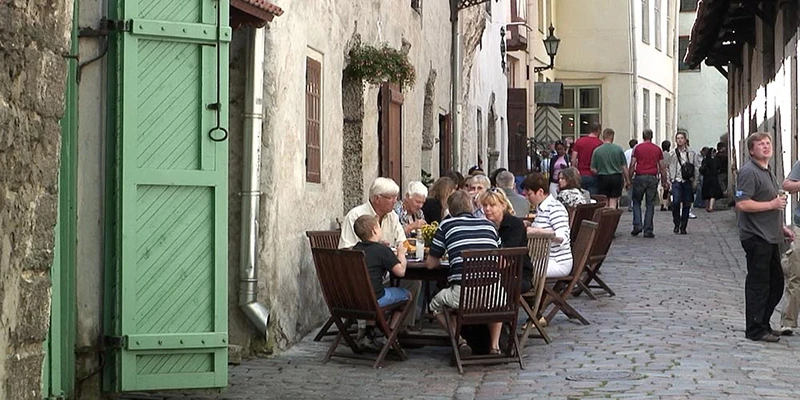
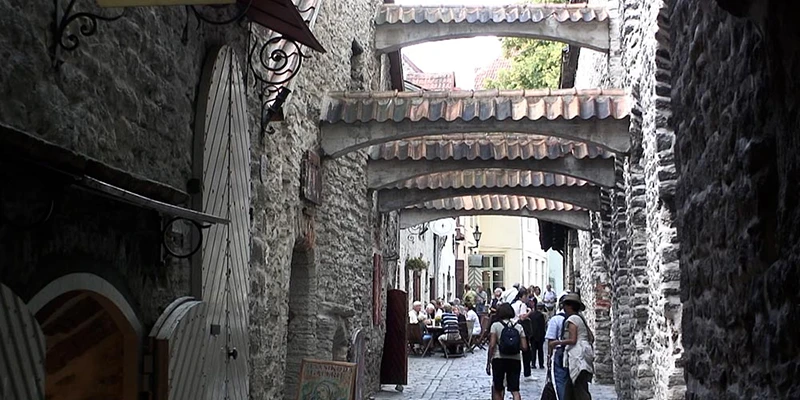
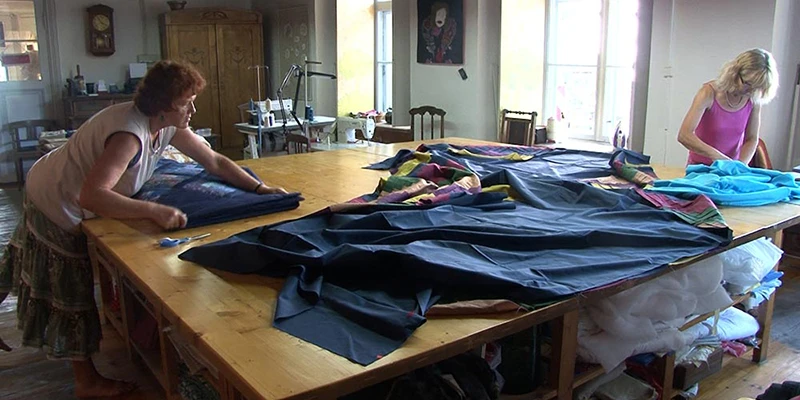
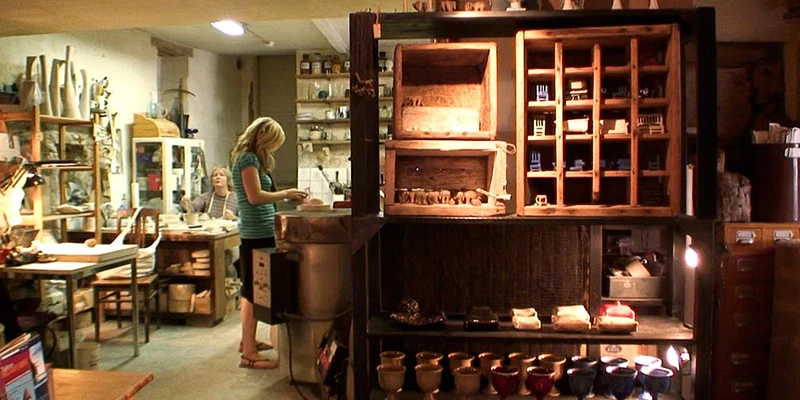
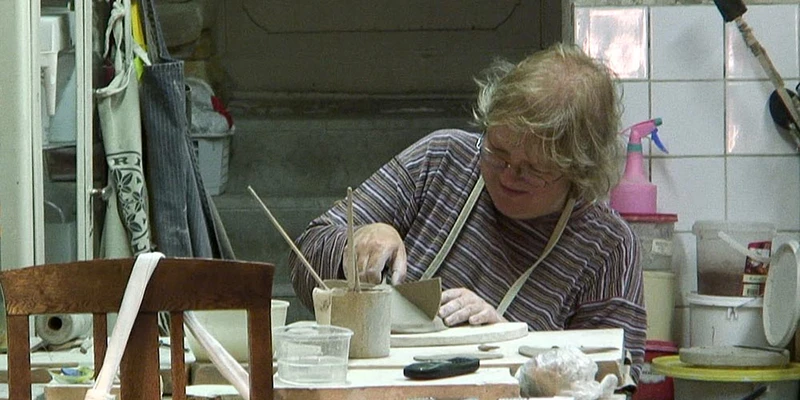
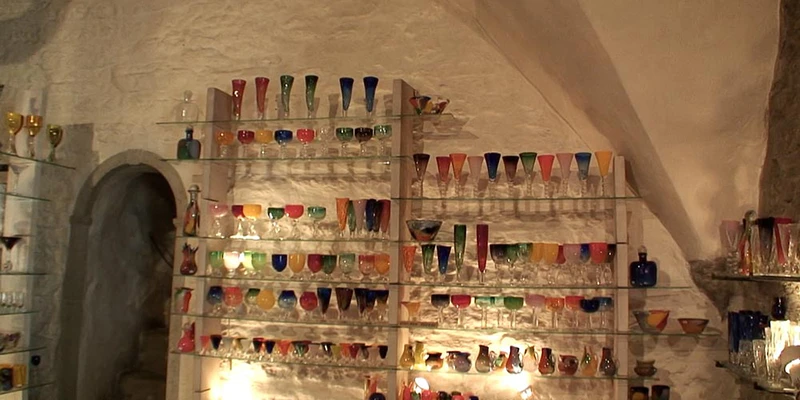
Here you can see with your own eyes the craftsmen doing their daily work, making ceramics and hats, blowing glass, selling hand-woven fabrics, and have a chance to chat with the artists.
2up.webp)
Katerina Passage is named after the adjacent St Catherine's Dominican Monastery, one of the oldest buildings in Tallinn, dating back to the mid-13th century.
2up.webp)
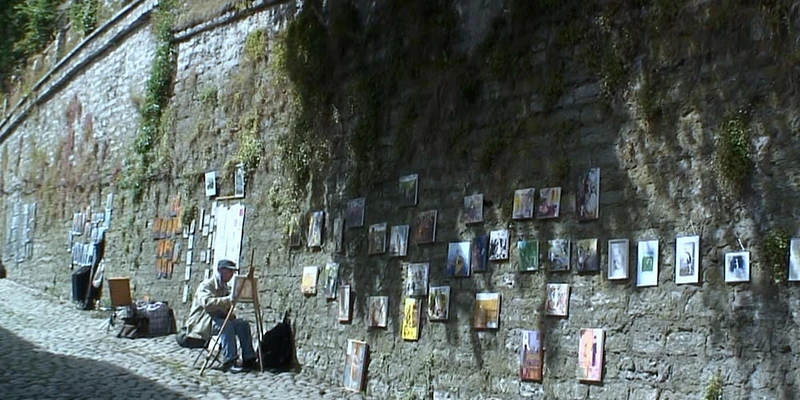
When you come out of that tunnel, you hit the wall, another spectacular part of the medieval fortifications of Tallinn. It's often a challenge in our travels nowadays to be able to purchase something that's locally made, let alone handmade. Well, here you have a beautiful collection of handmade sweaters, all authentic, tucked away under the shelter of this impressive section of the medieval wall.
Estonian History Museum
There is an impressive history museum inside what had been the headquarters of the Great Guild. This was the most important of the merchant societies. In 1987, this impressive Gothic building was converted into the Estonian History Museum with a fascinating collection covering a wide variety of topics.
Watch the Tallinn — A Perfect Day video →
Watch the Tallinn walking tour part 1 — Lower Town video →
Watch the Tallinn walking tour part 2 — Upper Town video →
Watch the Tallinn walking tour part 3 — Old Town Square video →